Sheet Metal Fabrication Quote Guide: What Information to Include for Accurate Pricing
After receiving a quotation, it was significantly higher than that of the previous supplier. When we sought a new quotation from another supplier, the price dropped considerably. This kind of situation is quite common in sheet metal processing procurement. The problem usually doesn’t lie in the price itself, but in whether the information used for the quotation is complete. An accurate Sheet Metal Fabrication Quote is essentially an engineering assessment based on complete input information – not just a price number. Below, we break down, from three dimensions – information preparation, submission method, and evaluation criteria – how to obtain a truly usable quote.
Why Do Similar Parts Receive Different Sheet Metal Fabrication Quote?
The same part can receive widely varying prices from different factories. This does not necessarily mean one supplier is “unreliable” – it often reflects differences in the completeness of the information provided.
The vaguer the information, the more assumptions the factory makes – and the larger the safety margin added. Tolerance, material, surface finish – for every unclear specification, the factory will estimate costs in the most conservative direction, driving the quote higher. Conversely, a quote significantly lower than competitors usually means the factory has made some “optimistic assumptions” – loose tolerances, no full inspection required, minimum standard finishes. If these assumptions do not match your actual requirements, additional charges will appear later.
What Information Should a Complete Quote Request Include – and Why Is It Essential?
A complete RFQ package should include at least the following five categories of information. Each item corresponds directly to specific cost components in the quote. Missing any of them turns the quote into a “guess.”
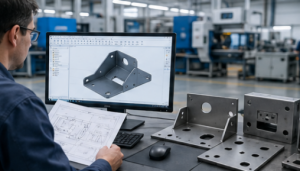
1. Complete Drawings. 2D engineering drawings must include: all dimensions, tolerance requirements, surface roughness, and material specifications. 3D models are best provided as well, helping the engineering team understand part geometry and assembly relationships more accurately. When drawing information is incomplete, the factory can only estimate – estimation means safety margins, and safety margins mean inflated prices.
2. Material Specifications. Material grade (such as SPCC, SUS304, AL5052, etc.), actual thickness, and surface condition. The procurement cost of SUS304 stainless steel is several times that of ordinary galvanized steel, and tool wear is faster during processing. If this is not specified, the factory will price based on the m
ost expensive material.
3. Quantity and Delivery Requirements. Sample quantity and production quantity should be provided separately. 100 pieces use laser cutting + bending (no tooling cost but a higher per-unit price). In comparison, 10,000 pieces go with stamping (tooling cost amortized but lower per-unit price). Without quantity, the factory cannot determine the optimal process route. Delivery timeline also affects pricing – standard lead times and expedited lead times have different cost structures.
4. Quality Requirements. Critical dimensions and tolerances, appearance standards, and inspection requirements. The precision requirement of ±0.1mm versus ±0.03mm leads to completely different equipment selection and inspection methods – the latter requires CMM full inspection, which naturally costs more.
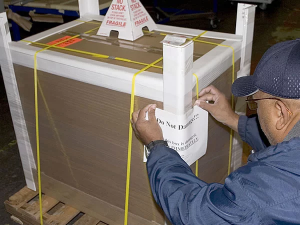
5. Packaging and Shipping Requirements. Standard industrial packaging, export wooden crates, or rust-preventive treatment? FOB factory or CIF port? These all factor into the total cost.
What Does a Professional Quoting Process Look Like After Drawings Are Submitted?
A professional sheet metal fabrication quote is not a number ‘generated’ by a system – it is the result of analysis and validation by an engineering team. Here is the standard process:
Engineering Review
Once drawings are submitted, process engineers conduct a DFM (Design for Manufacturability) review – checking for difficult-to-machine features. These design flaws could lead to scrap and optimization opportunities.
Process Route Planning
Determine the optimal production sequence: laser cutting or stamping blanking, whether CNC bending is needed, whether machining is required, which surface treatment process to use, and how each step connects.
Labor and Material Cost Calculation
Based on equipment selection and process route, calculate processing time for each step, material utilization rate, and expected yield rate to arrive at the base cost.
Comprehensive quotation
Based on the above information, the final quotation is prepared, specifying the price for each specification so the quotation is verifiable.
The entire process is typically completed within 24 hours. If expedited service is needed, indicate this when submitting drawings.
Why Can Our Quotes Be Trusted for Accuracy?
The accuracy of a quote depends on how much control the supplier has over the manufacturing process. Below, we explain from a supplier’s perspective why our quotes consistently align with final settlement costs.
 ♦ Material costs are verifiable. We maintain long-term procurement of standard-grade materials (SPCC, SECC, SUS304, AL5052, etc.) with direct supply relationships with multiple steel mills.
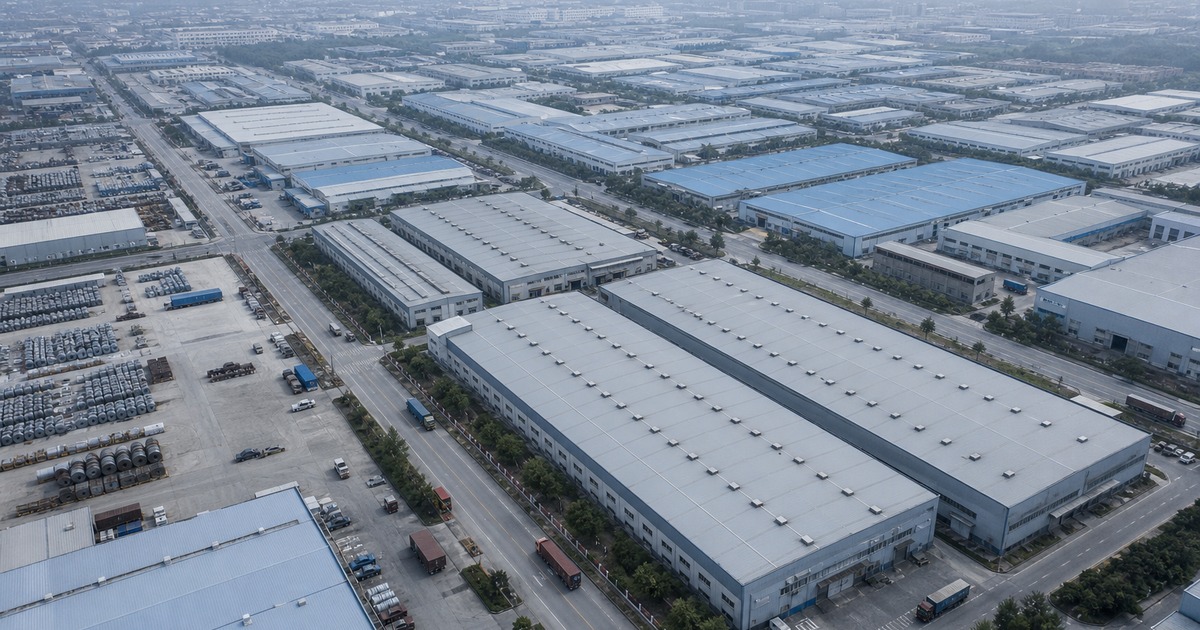
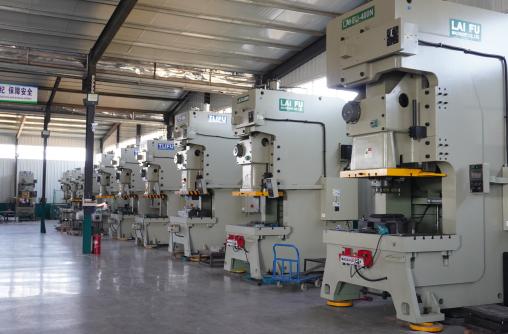
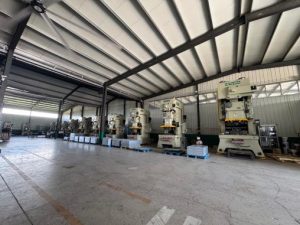
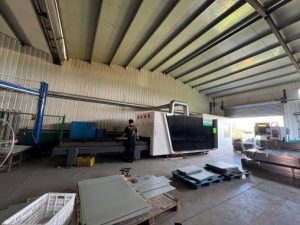
♦ Processing costs are calculable. 38 stamping presses covering 80 to 400 tons, 2 sets of 6kW laser cutting equipment, 5 five-axis and vertical machining centers – all processes are completed within our own facility. Processing time, consumables, and yield rates for each step are all based on long-term production records, not estimates.
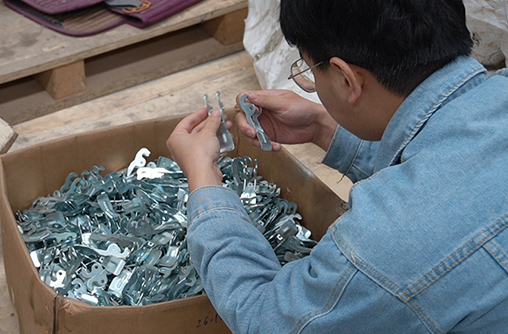
♦ Quality costs are already included. Our quotes already cover the costs of four inspection checkpoints: raw material inspection, first article inspection, in-process inspection, and final inspection. For high-precision parts, we specify at the quoting stage whether CMM full inspection is required. There is no such thing as “quote low first, add inspection fees later.”
♦ Historical data supports error control. We have served over 3,000 customers across automotive, medical, electronics, telecommunications, and automation industries, delivering more than 70,000 different sheet metal parts. Our engineering team has built a mature cost database covering various tolerances, materials, and surface finishes – no need to “guess by experience.”
Get an Accurate Sheet Metal Fabrication Quote
✅ Complete information · Transparent pricing · No hidden costs
📩 tylor@xinjiuxinji.com — We reply within 3 working hours. Free design optimization (DFM) and a quotation follow our engineering review
Complete your RFQ with drawings, material, quantity, and quality requirements for the most accurate quote
Why 3,000+ Companies Trust Us as Their Sheet Metal Fabrication Supplier