Furniture and Gardening Metal Parts: A Stamping Guide
This is a procurement and process guide, not a service directory. For an RFQ, specify the material, thickness, finish, quantity, and inspection requirements. See our furniture and gardening metal parts overview for the related project context. construction equipment brackets fabrication guide
The short answer
Furniture and gardening metal parts must work like engineering and look like design. The key decisions are part family, material, outdoor finish, welds, and batch controls that keep appearance consistent.
Furniture and gardening metal parts use seven hardware families, each with different manufacturing requirements:
| Family | Typical parts | What drives the cost |
|---|---|---|
| Metal supports | Appliance base supports, table and chair crossbars, flower stand supports | Load rating, weld joints |
| Metal frames | Table and chair frames, door and window frames, greenhouse frameworks | Multi-process forming, fit-up |
| Metal cases | Stove exteriors, appliance exteriors, storage boxes | Surface quality, panel fit |
| Metal trays | Flower pot trays, tool trays, barbecue trays | Forming depth, finish |
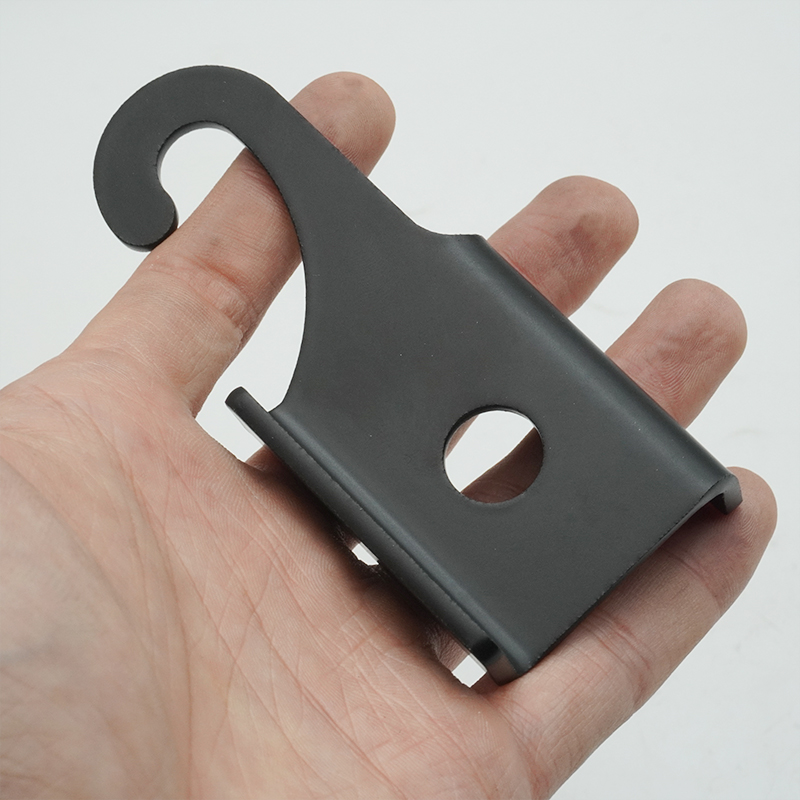
| Metal clips | Spring clips, folders, hose clips | Spring behavior, small features |
| Metal buckles | Bag buckles, door and window locks, hose buckles | Snap detail, finish consistency |
| Hardware tools | Shovels, rakes, scissors, barbecue tools | Mixed materials, appearance finish |
Frames and supports carry loads and demand weld quality. Cases and trays show the surface and demand finish quality. Clips and buckles run in high counts and demand process stability.
Material: Follow the Environment, Not the Catalog
Indoor furniture and gardening parts mostly use carbon steel because it forms and welds well. Stainless suits water, heat or food, including stove exteriors, barbecue frames and pot trays. Aluminum alloy suits lightweight outdoor furniture frames and garden cart structures; zinc alloy appears in small decorative hardware. Choose material and finish together: a carbon steel frame planned for powder coating behaves differently from one planned for galvanizing.
Inside stainless, the 304 vs 316 decision follows its own logic — see 304 vs 316 stainless steel: how to choose the right material and avoid costly mistakes.
Outdoor Furniture and Gardening Metal Parts: Where the Finish Is the Product
Outdoor exposure makes finish selection as important as the steel grade.
| Finish | Best fit | Why it works outdoors |
|---|---|---|
| Powder coating | Frames, trays, tool hardware | Thick, uniform film; broad color range for design |
| Galvanizing | Structural supports, hose and pipe clips | Sacrificial layer; survives scratches |
| Anodizing | Aluminum frames, decorative hardware | Hard oxide layer; keeps the metal look |
| Stainless, uncoated | Stove shells, barbecue parts | Heat and corrosion resistance without a film to fail |
Welds happen before finishing. Surface preparation—such as sandblasting on shells or polishing on aluminum—comes before coating, which is cured and checked against the approved design sample.
The Two Cases We Ran
Outdoor Gas Stove Housing Components
The program used stainless steel housing components for outdoor heating equipment, requiring heat and corrosion resistance and stable assembly. The route combined laser cutting and bending with surface sandblasting, structural assembly optimization and ventilation processing. Sample production and assembly verification preceded stable batch manufacturing.
Outdoor Furniture Frame Components
These aluminum alloy outdoor furniture frames were designed for lightweight construction and weather resistance. The route used aluminum tube cutting and bending with structural welding coordination, surface polishing and anodizing. The long-term program held stable appearance quality and structural performance across batches.
What a Capable Plant Looks Like for These Parts
The equipment behind these cases includes:
- 40 stamping presses, 80 to 400 tons. High-count clips and heavy frames run under one roof.
- 2 fiber laser cutting machines at 6 kW. Stove shells and decorative panels cut with clean edges.
- 3 bending machines and 3 CNC machines. Formed features and machined details stay in-house.
- 3 electric welding lines and 1 automatic spot welder. Frame joints hold geometry batch after batch.
- 2 surface treatment lines. Powder coating and corrosion protection stay near production.
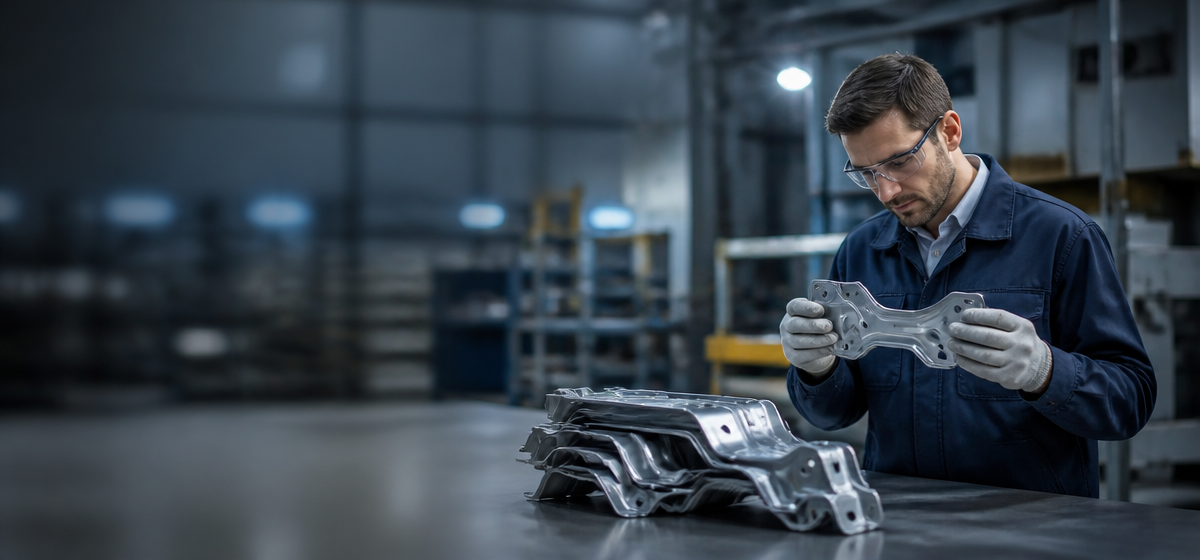
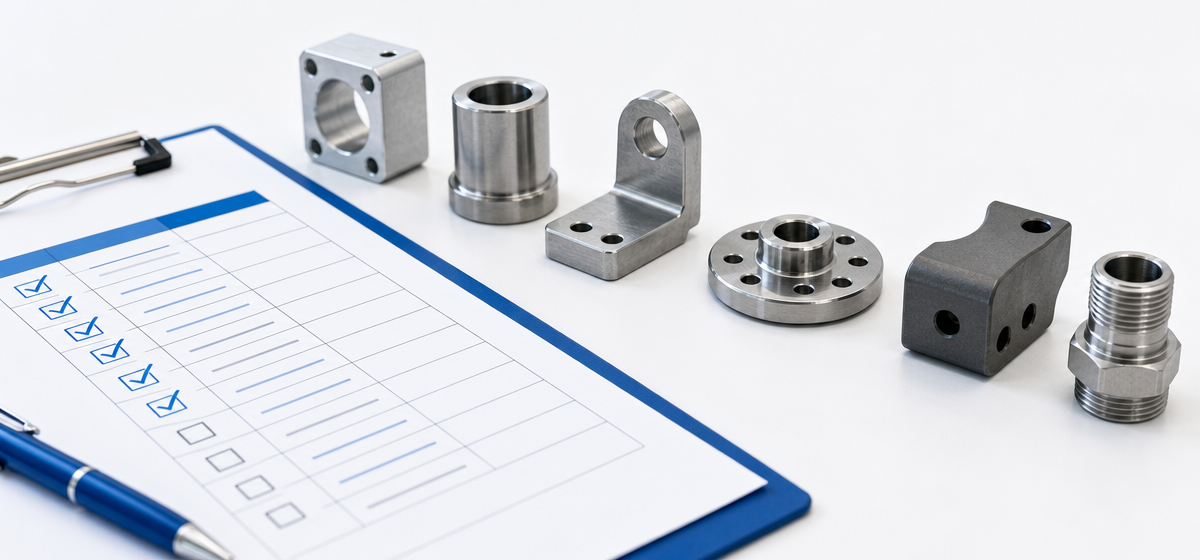
- 2 CMMs and process inspection. Dimensions and fit are checked in-house from first article onward.
The site runs a team of 120 people including 19 engineers, and the Nanpi production base has made metal parts since 1999.
Batch Consistency When Appearance Is the Spec
- Surface appearance control runs per batch. Coat thickness, color and texture are checked against the approved sample.
- Corrosion-resistant treatment follows the material pair. Steel is coated or galvanized, aluminum anodized, and stainless ships as itself.
- Multi-process coordination stays on site. A bend mark found in finishing goes back to bending the same day.
- Flexible batch support absorbs seasonal peaks. Gardening hardware can ramp while holding the same finish.
- Inspection and quality control close every batch. Records travel with the export container out of Tianjin Port.
FAQ
What materials work best for outdoor furniture frames?
Aluminum alloy is light and weather-resistant, pairing with anodizing or powder coating. Stainless suits heat positions such as barbecue frames and stove shells. Carbon steel suits indoor use or protective coating.
How do you keep powder coating consistent across batches?
Each batch receives the same surface preparation and coating process, then is checked against the approved sample for color and texture.
Can one supplier handle both small clips and large frames?
A plant with an 80-to-400-ton press range can cover high-count clips and heavy frames, supported by welding and finishing lines.
What is the realistic minimum for a furniture hardware program?
Laser-cut parts can start at low quantities without tooling; stamped parts amortize a die across the run. Plan quantity and timing with the MOQ guide, especially for seasonal gardening hardware.
Which finish should I choose for gardening tools?
Match finish to exposure: galvanizing for scratched structural parts, powder coating for visible parts, and anodizing for wear-resistant aluminum hardware.
Before You Lock the Design
Send the drawing or product render before the finish spec locks. Review the material-finish pair, weld joints and appearance controls before batch production. Read the MOQ and lead time guide, the shipping and delivery page, and request a quote.
Construction Equipment Brackets: A Fabrication Guide