Heavy-Duty Automotive Brackets: RFQ and Stamping Guide
Automotive bracket RFQ inputs
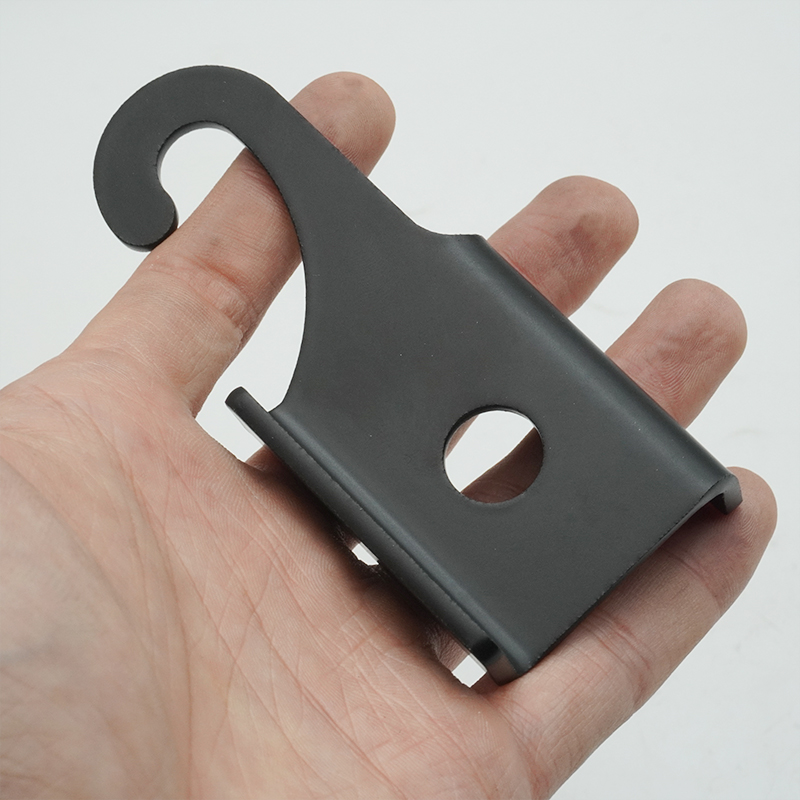
Start with the drawing revision, material grade, thickness, forming features, hole locations, surface treatment, inspection requirements, packaging, and delivery needs. Keep load, life, precision, and application requirements tied to the buyer’s approved specification rather than inferred from a bracket photo.
Application to process to inspection
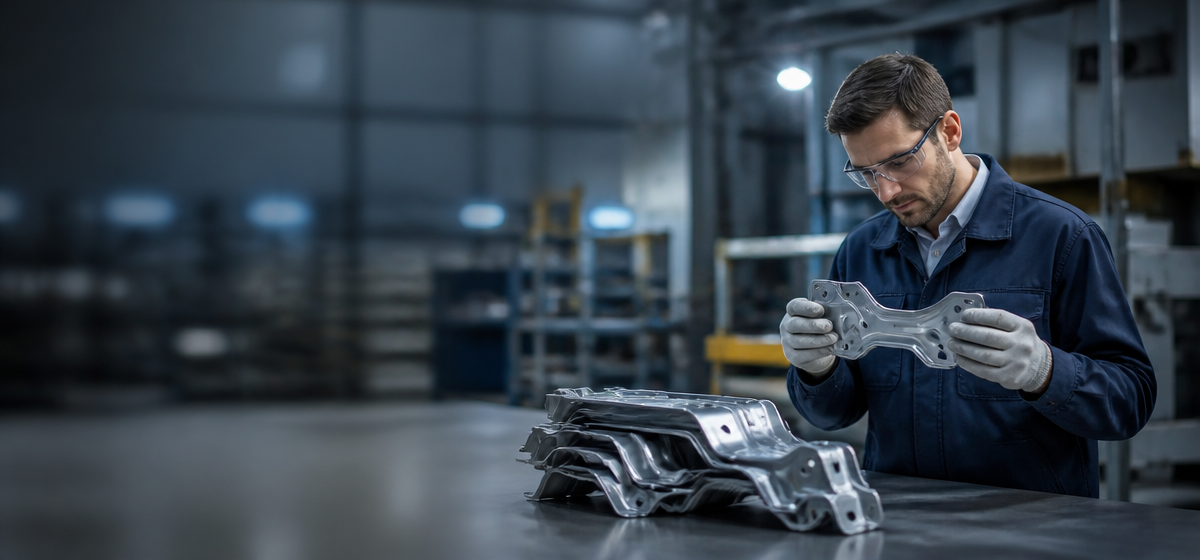
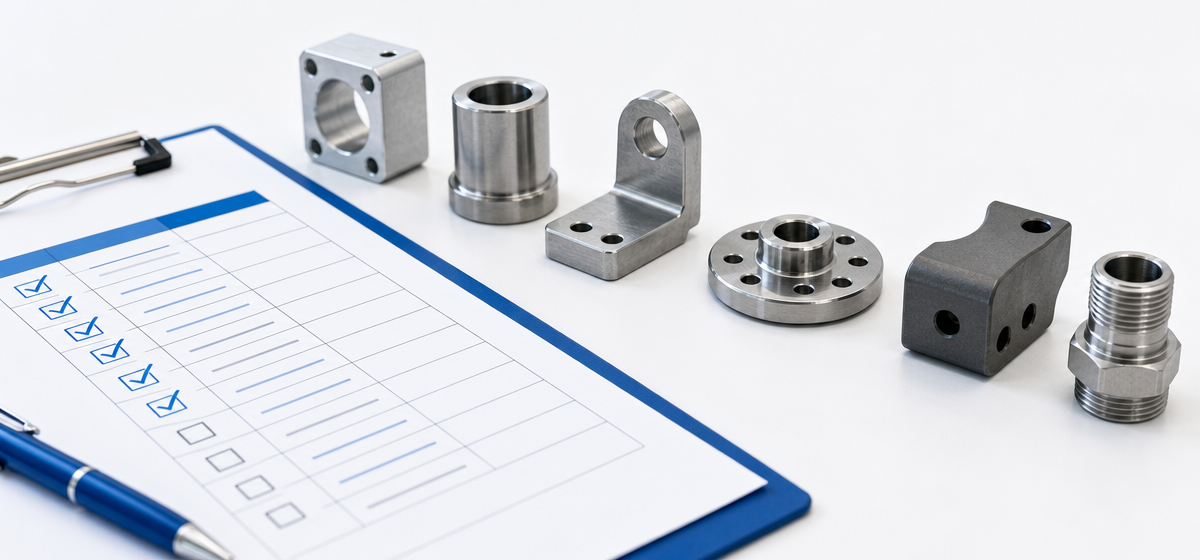
Application requirements guide the drawing and material review; the approved geometry and quantity guide the route, such as stamping, bending, piercing, or secondary operations; inspection then checks critical dimensions, hole locations, appearance, and records against the drawing.
Use our metal stamping service, sheet metal fabrication service, quality and inspection information, and contact page when preparing an RFQ.
The short answer
Heavy duty automotive brackets are the quiet workhorses of a vehicle. So they carry the engine, hold the seat, secure the battery pack, and clamp the wiring that runs the car. Yet most bracket programs fail in the same two places: a tolerance stack that was never discussed before tooling, and a batch process that drifts after month three. This guide walks the decision points a buyer actually controls — material, tolerance tiers, welds, surface, and batch controls — and then shows what a capable stamping plant looks like when every step sits under one roof.

Why Brackets Fail (and It Is Rarely the Metal)
First, look at where bracket programs actually break. So the metal is usually fine. Instead, the failure sits in the specification and the process that serves it. A bracket specified at one tolerance tier will run at a different price and a different yield than the same part specified two tiers looser. By contrast, a weld sequence planned after the fact produces distortion that no inspection can talk back into tolerance.
Also, automotive programs live on a schedule. The supplier must hit first-article dates, then hold the same dimensions for a year or more of shipments. That is a production-system question, not a price question. In other words, you are qualifying a system, not buying a part.
The Seven Bracket Families You Will Meet
First, heavy duty automotive brackets sort into seven families, and each family pulls a different process. So use the table below to name your part before you price it.
| Family | Typical parts | What drives the cost |
|---|---|---|
| — | — | — |
| Metal supports | Engine support, seat support, sensor support, battery pack support | Load rating and weld joints |
| Metal frames | Seat frame, battery frame, dashboard frame | Multi-station stamping plus assembly |
| Metal enclosures | ECU enclosure, sensor enclosure, fuse box housing | Flatness and sealing surfaces |
| Metal trays | Battery tray, trunk tray, tool tray | Large blanks, deep forming |
| Metal clips | Spring clip, pipe clip, fixing clip | Spring behavior, small features |
| Metal buckles | Line harness snap-on, pipe line snap-on, interior snap-on | Ejector detail, high-speed running |
| Hardware tools | Vehicle tools, repair hardware | Mixed materials, finish |
Next, notice the split inside the table. So supports and frames are structural, and they carry load. Enclosures and trays are functional, and they protect. Clips and buckles are high-count, and they run at high speed on the smallest presses. As a result, a plant that serves all seven keeps one quality loop across the lot, instead of three outsourced sub-contracts.
Material: Carbon Steel for Structure, Aluminum Where the EV Weight Budget Bites
First, most stamped brackets run on carbon steel. So it stamps fast, welds well, and costs the least per part. Then, move to stainless where the part meets moisture and chemicals. Also, aluminum enters the picture when the program carries a weight budget — battery pack supports, seat structures and chassis-related brackets are the usual suspects, because every kilogram saved there travels in the car for its whole life.
Next, the material call and the finish call belong together. By contrast, picking a grade and then discovering the plating line cannot serve it is how programs slip a month. In other words, settle the two in the same review.
Tolerances on Heavy Duty Automotive Brackets: Tier Them, or Pay for Aerospace
First, take a heavy duty automotive bracket and stamp every dimension at the same tight callout, and the drawing tells the supplier one thing only: price it at the top of every band. So the fix is a three-tier structure — a general class for the drawing, a functional tier on fit and assembly dimensions, and a critical tier reserved for the safety or interference dimensions that truly need CMM verification.
Then, expect the cost to move in steps. A hole at the general class needs no extra measurement. The same hole at the functional tier needs controlled process. At the critical tier, a CMM joins the line. As a result, the tier list you send is the single most price-moving document in the package.
The Two Cases We Ran

First, our automotive project record covers both ends of the bracket spectrum. So the two examples below come from production we have actually supported.
New Energy Vehicle Battery Structural Components
First, the program needed aluminum alloy battery structural components with a lightweight design, high flatness control, and stable assembly performance. So the route combined stamping and forming with precision machining on the critical assembly areas. Also, we optimized the structure for reinforcement and held flatness in production. Then, the project moved from prototype validation to stable batch manufacturing.
Automotive Seat Frame & Adjustment Structure Components
First, the seat structure combined stamping, welding and assembly coordination across several part numbers. So multi-station stamping carried the volume, while welding fixtures held the joint geometry. Also, critical dimensions went through inspection on every batch, and delivery was managed to the customer schedule. As a result, the long-term program kept its assembly consistency, and the customer kept receiving on time.
What the Plant Floor Looks Like (and Why It Matters)
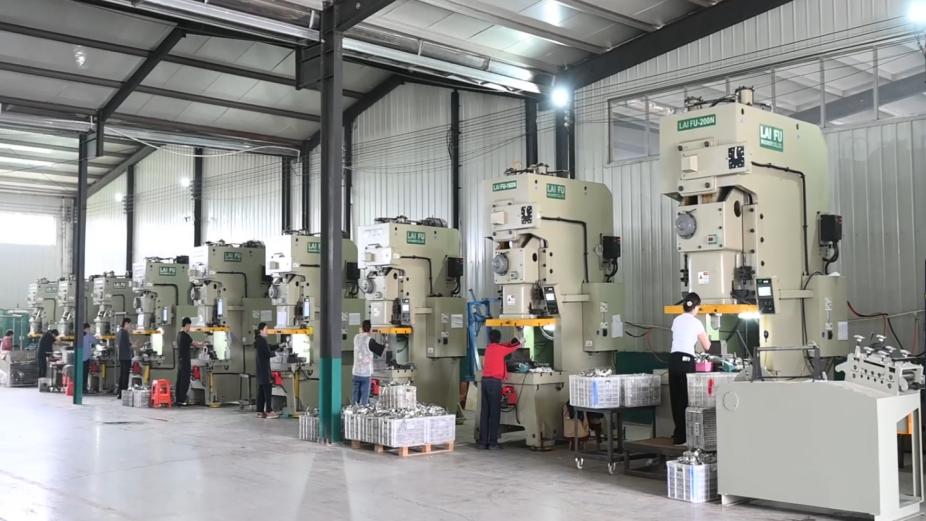
First, bracket quality is decided on the floor, not in the certificate folder. So here is the inventory behind the programs above, from our equipment list.
| Process | Equipment | Units |
|---|---|---|
| — | — | — |
| Stamping | Stamping presses, 80–400 tons | 40 |
| Deep drawing | Hydraulic presses (counted separately) | 4 |
| Laser cutting | Fiber laser cutting machines, 6 kW | 2 |
| Bending | Bending machines / press brakes | 3 |
| CNC machining | CNC milling and turning machines | 3 |
| Welding | Electric welding lines | 3 |
| Welding | Automatic spot welding machine | 1 |
| Surface finishing | Surface treatment lines | 2 |
| Inspection | Coordinate measuring machines (CMM) | 2 |
Next, read the table as a quality story. So the 40 presses span 80 to 400 tons, which covers the full range of heavy duty automotive brackets in the same building. Then, the two 6 kW lasers cut thick plate and fine sheet on the same day. Also, the three CNC machines machine the features stamping cannot, and the spot welder holds the joint geometry that a hand welder would drift. Finally, the two CMMs close the loop: first article and in-process checks happen in-house, so a dimension problem is caught on the line, not in the receiving report.
Batch Controls That Keep Month Twelve Like Month One
First, automotive buyers fear the drift, not the first batch. So the controls that stop it are boring on purpose.
- Process parameters get recorded for every job. So the next run of the same bracket starts from a documented baseline, not from memory.
- Dimensional tolerance control runs per batch. So the critical dimensions are checked against the drawing, and the record ships with the data.
- Multi-process coordination stays in-house. So when bending finds a problem that stamping caused, the fix happens the same afternoon, not next week.
- Tooling and fixture support lives on site. So a die change or a fixture tweak does not wait on an outside vendor.
- Scheduling follows delivery requirements. So the production plan is built from the customer calendar, and the export route leaves through Tianjin Port.
- Inspection and traceability close the loop. So every batch can be traced back to the operations that made it.
FAQ
What materials do heavy duty automotive brackets usually use?
First, carbon steel covers most structural brackets, because it stamps fast and welds well. So aluminum takes the weight-budget positions, like battery pack supports and seat structures. Then, stainless appears where moisture or chemicals attack the part. Also, the finish must serve the material, so settle both in one review.
How tight can stamped brackets hold?
First, stamped dimensions sit at the general class — around ±0.2 mm on typical sheet. So functional features tighten to the ±0.1 mm range where fit matters. Then, machined features on the same bracket reach the ±0.02 to 0.05 mm range with CMM verification. In other words, a well-tiered bracket is precise where the vehicle needs it, without paying aerospace everywhere.
Do brackets need welds, and how is quality held?
First, support and frame brackets usually carry welded joints. So weld sequence and fixtures decide the distortion, and the procedure holds the quality. Then, weld inspection closes the check on structural parts. As a result, the welded bracket ships with its geometry verified, not assumed.
How do you keep a bracket program consistent across years?
First, consistency comes from documented baselines. So every run records its process parameters, and the next run starts from that record. Also, in-house CMM checks catch drift while it is still cheap. Then, tooling kept on site means a corrective change does not wait on a third party. In the end, the batch record is the product.
What should I send to get an accurate bracket quote?
First, send the drawing with material, quantity and the tolerance tiers you need. So the RFQ package we use lists twelve fields that keep the quote comparable across suppliers. Then, a complete package gets priced, not guessed. Also, reply time matters — we answer inquiries within 2 hours on working days, and samples ship within 72 hours.
Sources and References
- ISO 2768-1 — General tolerances for linear and angular dimensions (drawing default clause)
- ASME Y14.5 — Dimensioning and tolerancing (GD&T on bracket hole patterns)
- AWS publications — welding procedure qualification reference for welded bracket joints
- Our equipment list — the press, laser, CNC and CMM inventory cited above
Before Your Next Tooling Spend
First, send the heavy duty automotive brackets drawing before the tooling decision locks. So we review the tolerance tiers, the weld joints and the batch controls, and flag what will move the price. In other words, a few hours of engineering review now saves a rework season later. You can read the full three-tier tolerance method, the 100,000+ piece automotive evaluation guide, and the T1 sample playbook that applies to any new die. Also, the first article inspection guide shows what the production proof looks like, and the shipping and delivery page covers how the batches leave the plant. Then, request a quote with your drawing and annual quantity.
Send the Bracket Drawing Before the Tooling Spend
✅ Direct-plant quote · 2-hour response · 72-hour sample path · Full equipment list included
📩 tylor@xinjiuxinji.com
We respond to inquiries within 2 hours.
Send the drawing with annual quantity — the reply comes back with tolerance tiers, weld plan and batch controls flagged, ready for your cost model.
Furniture and Gardening Metal Parts: A Stamping Guide