Metal Stamping Samples: T1, Mockup, and Production Samples
Direct answer: A stamping sample can cover the proposed part, process, and approval route, but sample scope, cost, and timing depend on the part geometry, material, tooling, quantity, and agreed checks. Use the sample to confirm what the drawing and production plan require before release.
What a sample should confirm
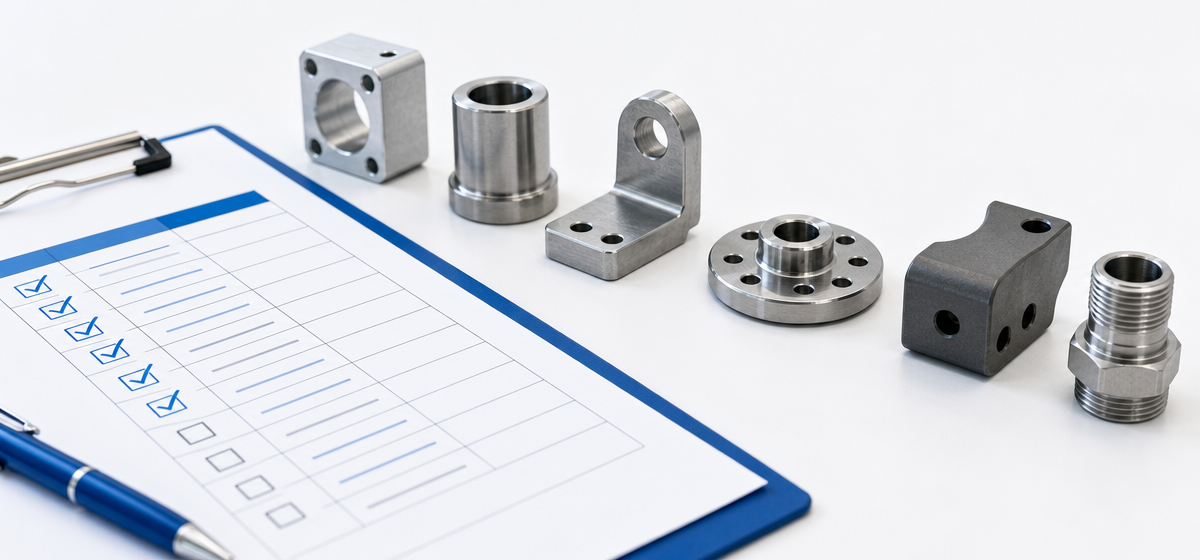
Where applicable, review critical dimensions, visible appearance, fit or interfaces, hole features, forming details, and the inspection records agreed for the project.
FAQ
What is the difference between a mockup and a production sample? A mockup may check form or communication, while a production sample is intended to reflect the proposed process; confirm the exact scope before approval.
What should I check on a stamping sample? Check dimensions, appearance, fit, material and finish against the drawing or approved sample criteria.
When can mass production start? Start only after the drawing, sample result, inspection requirements, and release responsibility are agreed.
For batch controls, see the batch quality control guide, and use the contact page for project review.
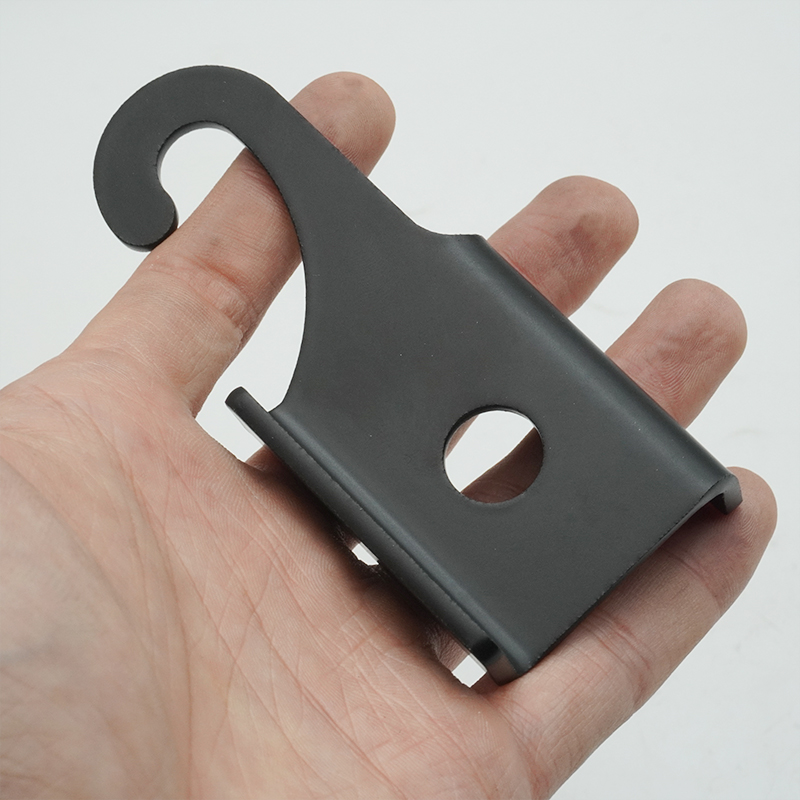
Metal stamping samples come in three types, and only one of them proves your die works: the T1 sample — the first part run straight off the production die, the same tool, the same sheet, the same press you will use for the whole order. Request 3–10 T1 samples plus a measurement report before you approve mass production: they are the only sample type that proves the tool, not just that the part looks right.
New buyers often mix up the three sample types. Here is the difference, what each one costs, and how to structure the request so it saves you rather than delays you.
Know the three types of metal stamping samples
The classic failure mode: a supplier sends a mockup that fits perfectly, and the die — which never existed at that stage — turns out to be 0.3 mm off on a critical flange. The mockup looked right because it was hand-bent. T1 eliminates that gap, which is why Xinjiuxinji holds every new part at a T1 approval gate before mass release. The measurement record behind that gate is a first-article inspection — our first article inspection guide covers what the report should contain.
Decide how many samples to request and what to check
- Quantity: 3 is the bare minimum for a single feature; ask for 10 when the part mounts into an assembly, so your team can test fit, function, and finish in parallel.
- Measurements: request a full first-article report against your drawing callouts — not photos. A report states pass/fail per dimension with the actual value.
- Functional checks: bend fatigue on flexing features, plating adhesion (cross-cut test if plated), and fit into the mating part with your production fixtures, not a vise.
- Finish verification: if the part is plated or coated, confirm the sample carries the final finish — uncoated T1s are common, and they should be labeled as such.
Next, write the acceptance criteria into the PO: “Mass production release is conditional on T1 report approval within 5 business days.” That one sentence prevents 80% of sample disputes.
Understand who pays for samples
- Mockup: usually a small fee, commonly credited to the first mass order.
- T1: the die is the cost. Pay it as NRE, and own it in writing — die ownership is the asset that protects your re-quote options. How tooling enters the total price is the first topic of our metal fabrication cost guide.
- Shipping: DDP samples are convenient for first-time buyers; FOB samples suit established importers.
For example, on a typical bracket program we quote: mockup (2 pcs, 5 days, credited) + T1 (10 pcs, 2 weeks, die cost separate). The buyer approves the mockup for design intent, then approves the T1 report for production. Two gates, two decisions, zero ambiguity. A complete sample request follows the same structure as a complete RFQ — the checklist is in our RFQ Checklist.
FAQ
What does T1 stand for in metal stamping?
Tooling First — the first articles produced by the production die. Some factories use “first shot” or “first article”; the meaning is identical.
Can I skip the mockup and go straight to T1?
Yes, if you have fully frozen the design and accept the die lead time. Mockups validate design intent; T1 validates the tool.
More questions at the same stage — tooling ownership, sample costs, and die timelines — are answered on our FAQ page.
How many T1 samples should I request?
Request three at minimum; request ten when the part goes into an assembly, so your team can test fit, function, and finish at once.
Do T1 samples count toward my production order?
Usually no — T1s are verification material. Mid-run production samples can be used if they pass.
Who should pay for the die?
You should, if the part is yours and you may re-quote it in the future. Supplier-paid dies get priced back into the unit cost.
What report should I receive with T1 samples?
A first-article report listing every drawing callout with measured values and pass/fail status, signed by quality.
Approve the Die Before Mass Production — Request T1 Samples
✅ 3–10 T1 samples from the production die · First-article report · Die ownership in writing
📩 tylor@xinjiuxinji.com
We respond to inquiries within 2 hours.
Send your drawing — the reply names the sample plan: mockup timing, T1 schedule, die cost, and the report you will receive before mass release
Manufacturer vs Trading Company: Which Is Right for Your Custom Metal Parts?