Metal Stamping Parts Manufacturer: How Batch Quality Is Controlled
Choosing a metal stamping parts manufacturer comes down to one question: will the next batch match the last one? Certificates prove that a supplier has a quality management system. What really decides batch consistency is the control and verification during production. This guide explains what a manufacturer controls, what records to expect, and how batch quality is actually verified.
What Does a Metal Stamping Parts Manufacturer Control?
A metal stamping parts manufacturer controls quality at four layers. Each layer runs at a different stage and prevents a different failure.
| Control layer | When it happens | What it prevents |
|---|---|---|
| Drawing and tooling validation | Before production | Process errors and die defects |
| First-article confirmation | Before the batch runs | Dimension drift spreading through the batch |
| In-process control | During production | Die wear and parameter drift building up |
| Final inspection and traceability | Before delivery | Defective parts shipping, and issues without a trace |
The first layer happens before production starts. The last layer protects every batch you receive. Each layer needs records, not just intent. Quality starts with engineering review and tooling decisions. See our engineering review guide and custom tooling guide.
First-Article and In-Process Checks
 How Is First-Article Confirmation Carried Out?Batch Traceability
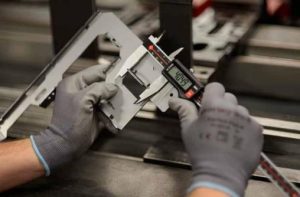
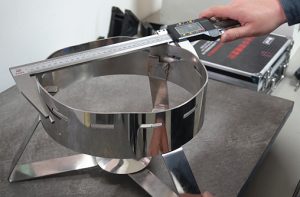
Before a batch runs, measure the first article against the drawing. We record critical dimensions, often with a caliper or gauge. Production starts only after the first article passes. The first article report becomes part of the batch record. For small batches, these checks are fixed costs, as our small-batch cost guide explains.
In-Process Control
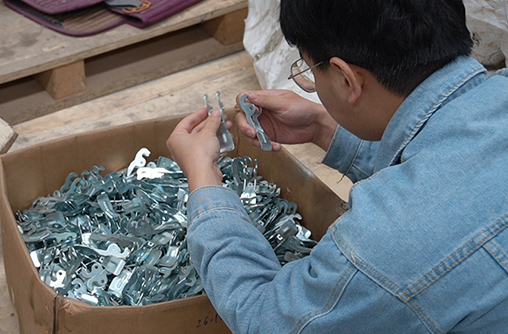
During production, we check samples at set intervals. Key parameters include material condition, press settings, and die wear. Variation outside the control limits triggers a stop and review. This keeps the batch consistent from the first part to the last.
Traceability and Quality Records
How Is Batch Traceability Maintained?
Each batch carries a lot number. The lot number links to material, die, press, and inspection records. If a quality issue appears, the source can be located quickly. Traceability turns a complaint into a fix, not a debate.
Records to Request With Every Batch
Depending on the part requirements, industry standards, and the agreed terms, the buyer can request the following records:
- Material certificates, where required
- First article inspection report
- In-process inspection records, where applicable
- Final inspection report
- Batch and quantity traceability records
These records also relate to the quality system behind the certificate, as our ISO 9001 verification guide explains.
How Is Quality Executed at Your Plant?
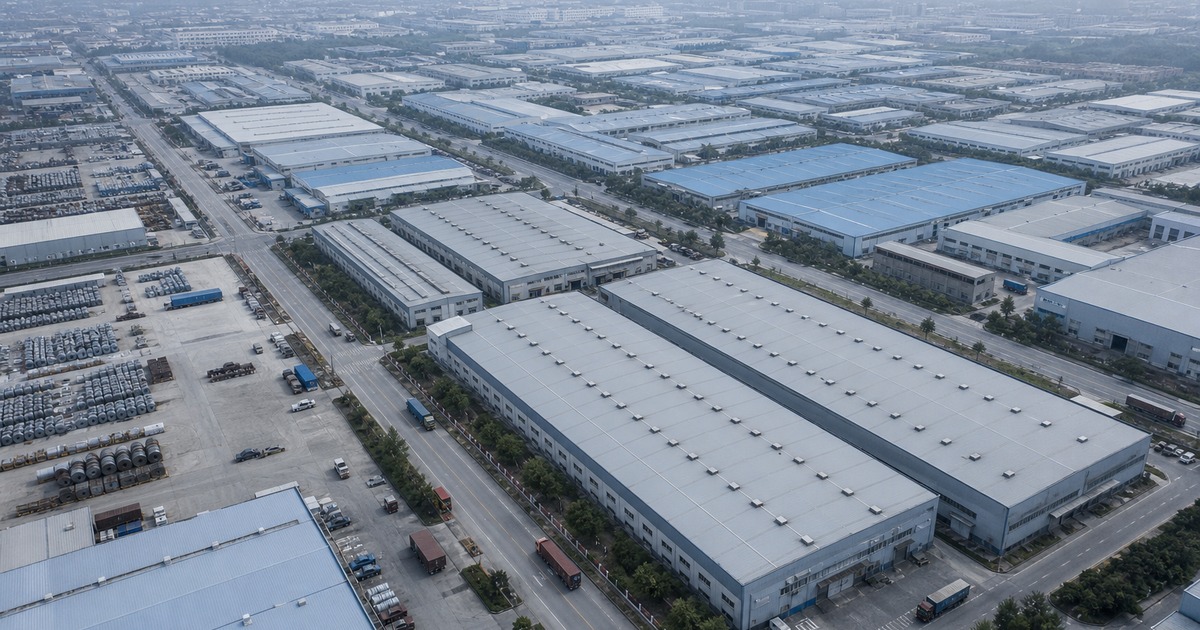
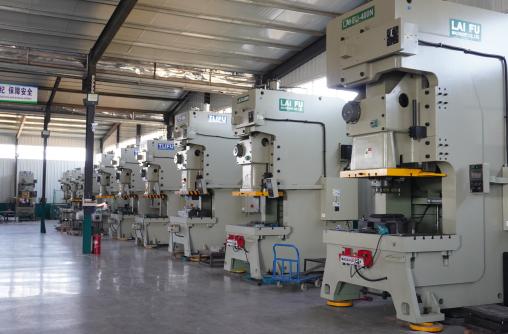
We have been manufacturing metal parts since 1999. Our plant is in Nanpi, Hebei, and covers 9,000 m². As a metal stamping parts manufacturer, we run first-article checks, in-process sampling, and final inspection per project. We keep records by lot number to support traceability. The production and quality teams work together to ensure quality, not as an afterthought. The case below shows these steps on a real project.
What Does the Case Study Show About the Four Control Layers?
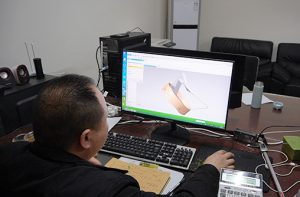 Here is how the four control layers played out on a real project. The part was a stainless steel base for a heating appliance. It has a ventilated ring, three bent legs, and a stamped center disc.
Before production. The design file went through multiple revisions in CAD, from REV E to REV H. This locked the final geometry and kept an outdated version from going into production. Production combined punching, bending, welding, and mirror polishing. The mirror finish was critical, so handling and inspection had to protect it.
First article. We measured the first article with a digital caliper. The outer diameter read 270.82 mm, and we recorded the result against the drawing. Production started only after this check passed.
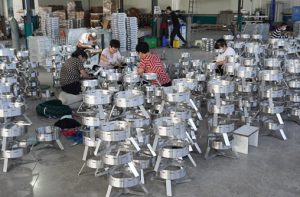
During the batch. We took process samples at set intervals, focusing on critical dimensions after stamping, bending, and welding.
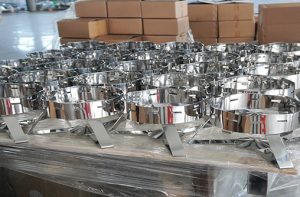
Before delivery. Parts moved to packing only after final inspection, with lot-linked records kept for each batch.
The project involved several hundred assemblies produced through the same controlled process. Critical dimensions were continuously verified through first-article and in-process checks to control consistency between batches. This is what batch quality control looks like in practice. A real part, real measurements, and records that follow every batch.
Get Your Metal Stamping Batch Quality Verified
✅ First-article reports · In-process records · Batch traceability · 3h response
📩 tylor@xinjiuxinji.com — First response within 3 working hours · Free samples included
FAQ
What Does a Metal Stamping Parts Manufacturer Control?
A metal stamping parts manufacturer controls quality at four layers. Each layer runs at a different stage and prevents a different failure. Control layer When it happens What it prevents Drawing and tooling validation Before production Process errors and die defects First-article confirmation Before the batch runs Dimension drift spreading through the batch In-process control During production Die wear and parameter drift building up Final inspection and traceability Before delivery Defective parts shipping, and issues without a trace The first layer happens before production starts. The last layer protects every batch you receive. Each layer needs records, not just intent. Quality starts with engineering review and tooling decisions. See our engineering review guide and custom tooling guide .
How Is First-Article Confirmation Carried Out?
Before a batch runs, measure the first article against the drawing. We record critical dimensions, often with a caliper or gauge. Production starts only after the first article passes. The first article report becomes part of the batch record. For small batches, these checks are fixed costs, as our small-batch cost guide explains. In-Process Control During production, we check samples at set intervals. Key parameters include material condition, press settings, and die wear. Variation outside the control limits triggers a stop and review. This keeps the batch consistent from the first part to the last.
How Is Batch Traceability Maintained?
Each batch carries a lot number. The lot number links to material, die, press, and inspection records. If a quality issue appears, the source can be located quickly. Traceability turns a complaint into a fix, not a debate. Records to Request With Every Batch Depending on the part requirements, industry standards, and the agreed terms, the buyer can request the following records: Material certificates, where required First article inspection report In-process inspection records, where applicable Final inspection report Batch and quantity traceability records These records also relate to the quality system behind the certificate, as our ISO 9001 verification guide explains.
How Is Quality Executed at Your Plant?
We have been manufacturing metal parts since 1999. Our plant is in Nanpi, Hebei, and covers 9,000 m². As a metal stamping parts manufacturer, we run first-article checks, in-process sampling, and final inspection per project. We keep records by lot number to support traceability. The production and quality teams work together to ensure quality, not as an afterthought. The case below shows these steps on a real project.
What Does the Case Study Show About the Four Control Layers?
Here is how the four control layers played out on a real project. The part was a stainless steel base for a heating appliance. It has a ventilated ring, three bent legs, and a stamped center disc. Before production. The design file went through multiple revisions in CAD, from REV E to REV H. This locked the final geometry and kept an outdated version from going into production. Production combined punching, bending, welding, and mirror polishing. The mirror finish was critical, so handling and inspection had to protect it.
Metal Stamping Supplier China: A Buyer’s Guide from Screening to Mass Production