Menu
Home
About Us
Overview
Our Clients
Our Team
Quality & Safety
Service
Sheet Metal Fabrication
CNC Machining Service
Metal Casting Service
projects
Automotive
Construction Tools
Furniture Gardening
OEM Manufacturing
Resources
Our Factory
Equipment List
Custom Parts Gallery
Applications
Certifications & Compliance: Certificates, QMS and Inspection Records
Shipping & Delivery
Glossary & Standards
2026 US Tariffs
ISO 9001 Guide
Tolerance-DFM Guide
RFQ Checklist
BLOG
Contact Us
Laser Cutting vs Stamping: Which Is Cheaper for My Part and Quantity?
Direct answer: Laser cutting usually avoids dedicated die cost and is often easier to evaluate for prototypes or smaller batches, while stamping can spread tooling cost across repeat production. The practical crossover depends on part geometry, material, quantity, tolerances, a
What Tolerances Should I Specify, and How Do Tighter Tolerances Change the Cost?
Direct answer: Set tolerances by functional need: keep general features at a suitable default and tighten only the dimensions that control fit, interface, movement, sealing, or safety. A tighter callout can increase process work, tooling or setup effort, measurement time, and i
What Information Should I Send to Get an Accurate Sheet Metal Fabrication Quote?
Direct answer: For an engineering-based sheet-metal RFQ, send the drawing or 3D model, material and grade, quantity, critical tolerances, surface treatment, packaging, and delivery requirements. Complete inputs reduce assumptions; this page is the RFQ materials checklist, while
Should I Use the Same Supplier for Prototyping and Mass Production?
Direct answer: A prototype proves design intent and production learning, while mass production requires repeatable process control, capacity planning, and records. Using one supplier can work when equipment coverage, quality continuity, and communication support both stages; se
What Happens If I Change the Design After Stamping Tooling Is Already Made?
Design changes after stamping tooling is cut are possible, but they cost time and money. Small geometry changes may only need die modification. Major changes can require new tooling. The supplier should state the impact in writing before starting any rework. A clear change proc
How Do Metal Manufacturers Keep Quality Consistent Across Mass-Production Batches?
Direct answer: Cross-batch consistency is supported by a repeatable system: approve the first article, record and review process conditions during production, control changes, and verify the agreed requirements before shipment. The exact controls depend on the drawing, material
What Causes Burrs and Scratches on Stamped Metal Parts and How Can They Be Prevented?
Direct answer: Burrs are unwanted raised edges left by cutting or stamping, while scratches are surface marks caused by contact, handling, tooling, or contamination. Prevention depends on the material, thickness, part geometry, die condition, handling method, and the agreed ins
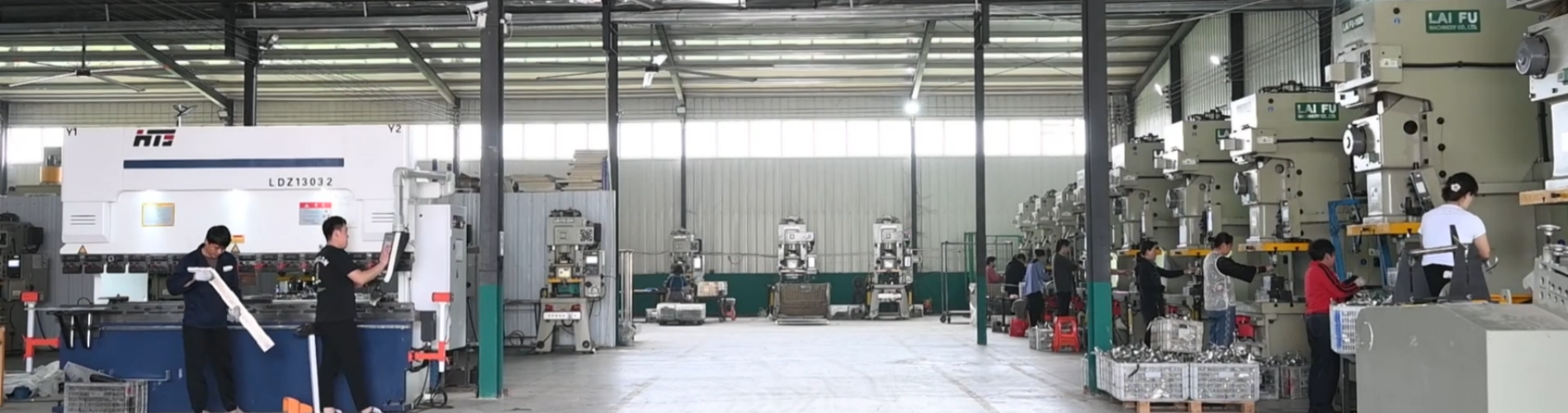
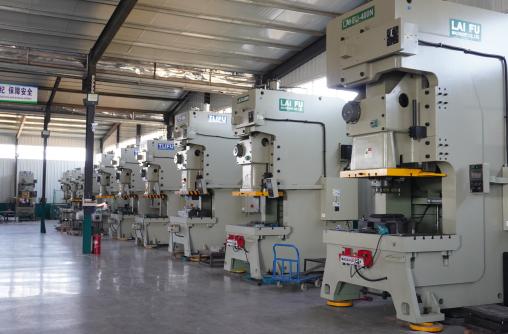
How Can I Tell If a Metal Stamping Supplier in China Is a Real Factory?
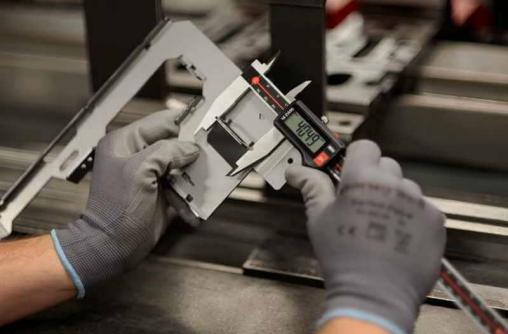
Telling a real factory from a trading company comes down to three kinds of evidence a stamping supplier can produce in one afternoon. A trader can show licenses and samples, but it struggles to show the press, the die, and the inspection bench behind your specific order. Finall
Hi, I’m here to help — ask us anything about your metal fabrication project.
+86 17862726930
Send Email
WhatsApp
Back to Top