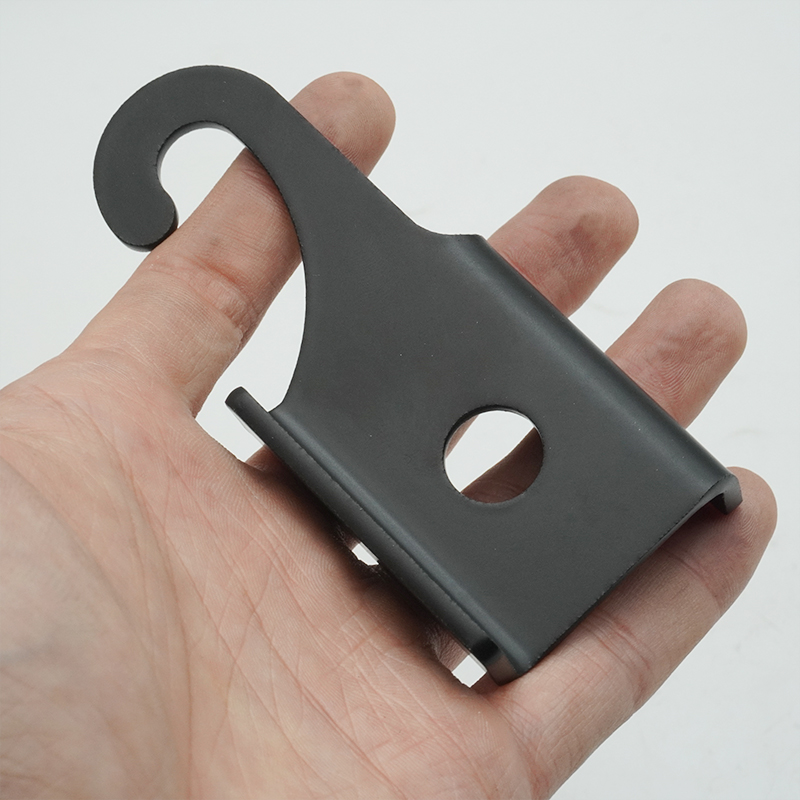
Metal Fabrication Cost: What Drives a Part’s Price
First, the total on the quote is the last number you should analyze. It sums decisions you have not seen yet, and metal fabrication cost only becomes clear once you open the structure. This guide works backward from the total: the four decisions that set the price, the three models a shop prices under, the step-by-step build-up inside a part, and a grid that audits any quote line by line. Also, you will get a budgeting exercise you can run on your own part. By the end, you can budget before the first quotation arrives.
Before using a cost estimate, compare each supplier’s scope line by line with this metal fabrication quote comparison checklist so that material, tooling, finish, and delivery assumptions are aligned.
The Price Starts From Four Decisions
Before any machine runs, four choices have already set most of the price: the material (grade, form, thickness), the route (the processes the part goes through), the precision (which dimensions hold which tier), and the delivery terms (who carries freight and duty). However, a quote that hides those four choices hides its assumptions. So ask the first question not about price but about assumptions. In other words, “what do you assume in these four places?” tells you whether two quotes describe the same part.
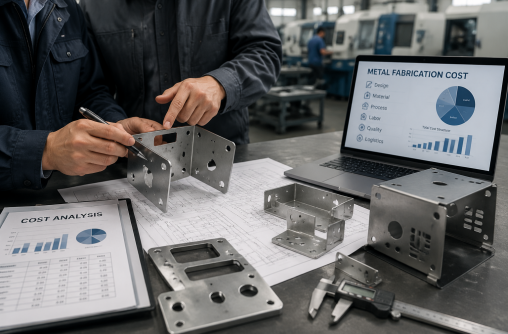
Three Ways Shops Price the Work
Fabrication pricing falls into three models. Therefore, comparing a per-hour quote with a per-part quote becomes the most common budgeting error in the industry.
Because the metal fabrication cost of a “per part” number depends on the quantity it amortizes, ask every quote to state the model and the quantity. So a 100-piece unit price and a 10,000-piece unit price stop looking interchangeable.
Inside the Number: What Each Step Adds
Second, break the part into operations and the money shows where it goes. The build-up below stays directional; we measure it against a simple laser-cut and bent part.
In practice, two reading habits pay for themselves. First, demand the build-up: if the shop returns one number, ask for the structure. Next, remove the lines you did not request — unrequested machining and unrequested code-level weld checks are the quiet budget leaks.
The Five Levers, in the Order They Bite
When a price needs to come down, work the levers in this order. The top ones change the structure; the bottom ones only change the margin.
- Material grade. metal material selection guide helps compare whether stainless or alloy runs several times mild steel per kilogram. So a downgrade — or a painted mild-steel route — is the largest single saving when the function allows it.
- Quantity and route. Volume decides laser versus punch versus die. That switch resets the cost base more than any other input.
- Tolerance tier. General class, functional, critical: each tier up adds inspection cost. Tier the drawing on purpose — the method lives in our tolerance and DFM guide.
- Finish. Coating systems differ by multiples in price and cycle time. A “painted” spec without details means the shop prices the most conservative system.
- Trade term. FOB versus DDP moves freight and duty between you and the supplier. For US-bound steel and aluminum in 2026, that line can sit second only to material — our 2026 tariffs guide details the rates, and USTR publishes the announcements.
The Metal Fabrication Cost Audit Grid
Typically, professional quotes separate the lines. Use the grid below to audit each one, and treat the red flag as a reason to ask before you accept.
Walk the grid top to bottom when two quotes differ. In most cases one line explains the gap — material grade or route. Consequently, start the conversation there, not at the total.
A Worked Budgeting Exercise
To make the structure concrete, budget a welded electrical enclosure: 2 mm A36, powder-coated, 200 pieces. First, the material line sets the base. Cutting and bending follow on the laser-plus-bend route, with no tooling at this quantity. Welding takes the largest processing share, because the enclosure is multi-panel. The powder coat follows your salt-spray target. Finally, the trade term decides whether duty sits inside the number.
Next, change two inputs and watch the structure re-price. First, swap A36 for 304 stainless: the material line jumps to roughly 2.5–3×, and the bend and weld specs tighten with it. Second, raise 200 pieces to 2,000: the route question opens (stamping the panels), which becomes a different quotation entirely. That is the shape of a metal fabrication cost budget — two inputs move, the whole structure follows. Send the drawing with both inputs stated (our RFQ checklist orders them), and the first quote lands close to the real number.
Frequently Asked Questions
What is a realistic metal fabrication cost for 200 welded enclosures?
Budget in lines, not totals: material at the grade you specify, laser-plus-bend at this quantity, welding as the largest processing share, then your finish spec. So a supplier who itemizes these lines gives you a budget you can defend. A lump total gives you a number you cannot.
Why did my unit price jump when I doubled the quantity?
Usually a route change explains it. Doubling volume can move the part to another process, and the quote may have switched its amortization assumptions. Finally, ask which model the new unit price uses, and what quantity it assumes.
Are overseas prices lower — and is that the whole story?
Of course, labor and operating costs do vary by region. However, in 2026 the landed comparison must add freight and import duty. For US-bound steel and aluminum, Section 232 rates can be decisive — our tariffs guide details them.
How do material price swings reach my quote?
For instance, steel and aluminum indices move, which is why quotations carry a validity window of 30–60 days. For long programs, ask for a material-indexed price or a re-quote trigger. So the swing gets priced deliberately, not discovered at invoice.
What makes two quotes for one drawing differ by 40%?
Almost always an assumption difference, not a margin difference: a different material default, a tighter tolerance read, a conservative finish, or another trade term. Run both quotes through the audit grid, and the differing line usually identifies itself.
Is a cheaper quote always worth the risk?
Instead, price the risk the way you price the part. A materially cheaper quote often means a thinner inspection set or a vaguer finish. Compare that delta against the cost of a failed first article — that is the real decision.
Get the Number Itemized — Budget Before the First Quote
✅ Line-by-line quote · Route and cost driver stated in writing · DFM feedback before quoting
📩 tylor@xinjiuxinji.com
We respond to inquiries within 2 hours.
Send your drawing with quantity and trade term stated — the quote comes back with each line on its own row, so your budget stays auditable before you commit
Metal Fabrication MOQ: Minimums and Realistic Lead Times