Sheet Metal Fabrication Parts: Prototype to Production in 15 Days – Is It Real?
“15 days? From drawing confirmation to receiving the first batch of production parts?” When many purchasing personnel hear about this cycle, their initial reaction is usually not anticipation but suspicion. They have seen it happen too often: everything goes smoothly during the prototype stage, but once the project moves into mass production, the lead time keeps extending due to process adjustments, supplier coordination, and quality verification. For sheet metal fabrication parts, the 15-day transition from prototype to mass production does not apply to all projects. However, for suppliers with a complete manufacturing system, it is achievable.
Why Do Most Sheet Metal Fabrication Parts Projects Fail to Deliver in 15 Days?
Most projects miss deadlines not because of slow processing, but because of three overlooked aspects.
♦ Manufacturing issues need attention during the design stage. How much springback will occur after bending? How much deformation will happen after welding? Do the required tolerances exceed the equipment’s actual capability? The drawing review stage answers these questions.—DFM analysis for sheet metal parts. However, many projects only discover these problems after the first article leaves the line — and rework, design fixes, and rescheduling can cost several days.
♦ Also, waiting time exists throughout the production process. After cutting, there’s a wait for bending; after bending, there’s a wait for surface treatment – each external processing step is a scheduling game. So the other factory may not prioritize your order, and it’s normal to wait two or three days.
♦ No validation before mass production. The first batch entered mass production without confirmation. Problems surface during trial production, and the team must change the process. Just get it running first, and this is often the main reason for the longest delays.
What Manufacturing Capabilities Are Required for 15‑Day Sheet Metal Parts Production?
What is the biggest problem in sheet metal fabrication? The biggest problem is that after cutting, you have to wait for bending. Then, after bending, you have to wait for welding – because the factory lacks certain types of equipment and needs to outsource the work. Each outsourced step also brings an uncontrollable delay.
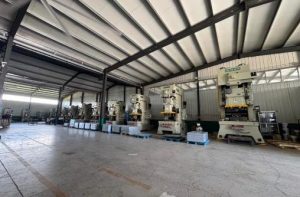
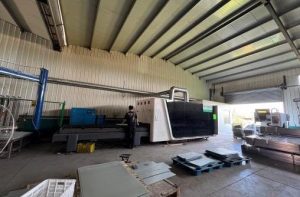
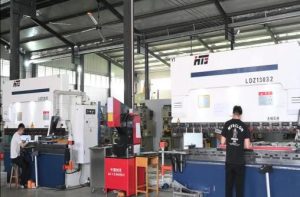
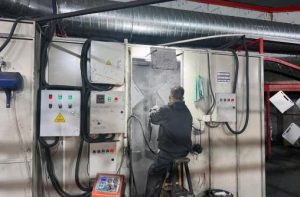
So complete internal manufacturing capabilities shorten the delivery cycle. Our factory runs all these steps in-house:
How Is 15‑Day Delivery Achieved from Drawings to Production?
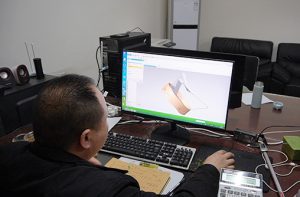
15 days do not start from the first day of production – the truly efficient approach is: first do the right thing, then do it quickly.
How Does Fast Delivery Ensure Quality for Sheet Metal Parts?
Fast ≠ lower standards. So as long as the quality control system keeps up, speed and precision arrive together.
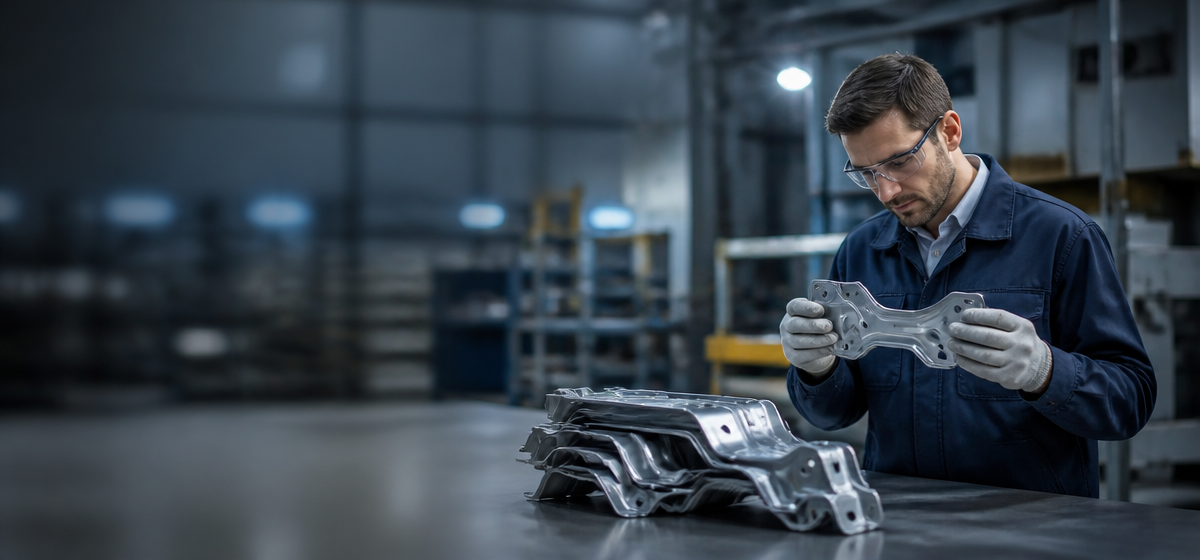
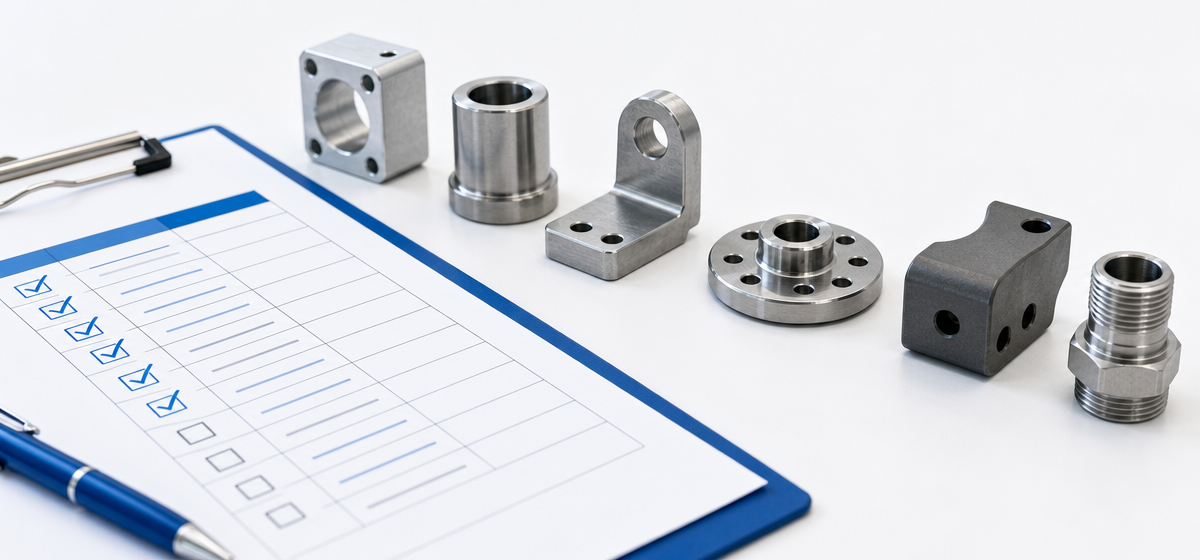
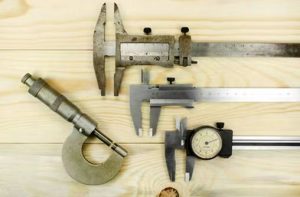
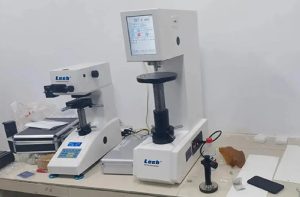
So experienced suppliers typically use four inspection checkpoints to ensure quality:
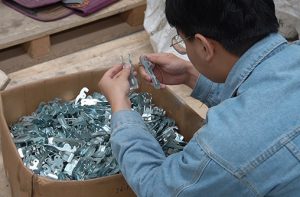
• Raw Material Inspection. Verify material grade, thickness, and lot consistency upon arrival. Thickness deviation and surface condition directly affect bending accuracy and welding quality. If this step fails, all subsequent processing is meaningless.
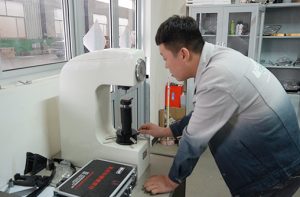
• First Article Inspection. The first piece of each production batch must undergo complete dimensional, assembly, and visual inspection. Production continues only after the first article passes; if it fails, the team analyzes the cause immediately and adjusts the process.
• In‑Process Inspection. The team also sets up regular patrol checks during mass production, monitoring key parameters in real time to catch problems before the entire batch ends.
• Final Inspection. After production, perform sampling or 100% inspection covering critical dimensions, appearance, and functional performance. Only after the team confirms everything does the shipment go out, with a quality inspection report attached.
An ISO 9001:2015 quality management system documents every step from raw material to finished part, so each delivered product stays traceable and meets requirements.
Which Projects Are Not Suitable for a 15‑Day Commitment?
So 15 days is not a one‑size‑fits‑all timeline. Professional suppliers will not promise 15‑day delivery for every project – that would be irresponsible and unrealistic.
So the following cases do not fit the 15‑day window:
- New product designs.If the drawings are completely new, the project needs more engineering evaluation and pilot runs first. Forcing a tight schedule increases the risk of rework.
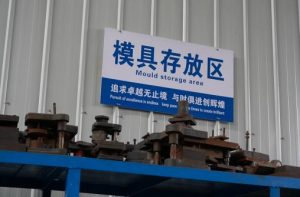
- Complex stamping with hard tooling. Projects that require steel‑stamping dies cannot compress the tool‑making lead time into 15 days. For tooling-based stamping projects, metal stamping cost and tool development time can significantly affect the delivery schedule.
- High‑precision medical or aerospace parts. These parts demand stricter validation protocols and longer inspection times, with different delivery standards.
- Multi‑supplier collaboration. If external processes, such as special heat treatment or third‑party testing, enter the route, the delivery depends on outside factors we cannot precisely control.
Why Does Experience with 70,000+ Parts Help Shorten Lead Times?
Furthermore, the greatest value of extensive project experience is reducing trial‑and‑error.
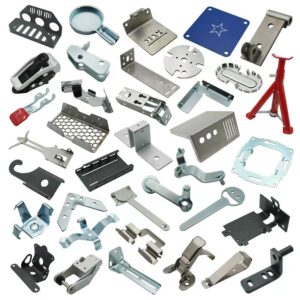
Our factory has also delivered over 70,000 different sheet metal fabrication parts to 3,000+ enterprises in 100+ countries around the world. That track record proves the engineering team’s ability to handle complex problems:
- Which structures are prone to cracking during bending.
- Also, which material combinations cause noticeable distortion after welding?
- Besides, which tolerance callouts prove uncontrollable in mass production?
- Finally, which surface treatment processes fail on the substrate?
The Essence of 15‑Day Delivery Is Manufacturing Certainty
So returning to the initial question: Is it really possible to go from prototype to mass production in just 15 days?
Yes – but only if the factory has the complete capability to carry it out.
When customers choose to collaborate with us, it is usually not our equipment count. During the design evaluation stage, we can already tell customers what problems the design might hit in mass production and how to fix them quickly. We also confirm whether a 15-day delivery is realistic, and if not, we explain the reasons.
The highest cost in cooperation is the rework and waiting that come from “thinking it could work but it didn’t”, not the processing fee.
15 Days from Prototype to Production Starts with a Professional Engineering Assessment
✅ DFM review · Complete in-house production · Systematic quality control
📩 tylor@xinjiuxinji.com — We respond to inquiries within 2 hours.
📌 Submit your drawings — Our engineering team will evaluate your project’s 15-day feasibility. True efficiency starts before production begins.
Sheet Metal Fabrication Quote Guide: RFQ Inputs and Engineering Review