Design for Manufacturability: The Complete Guide for OEM Sheet Metal Projects
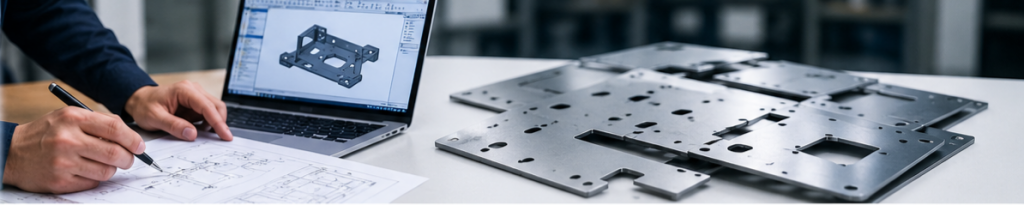
For OEM sheet metal projects, a complete DFM review goes beyond optimizing engineering drawings. It verifies whether a product is truly ready for stable and efficient mass production before manufacturing begins.
Drawing on practical engineering experience in OEM sheet metal fabrication, this guide explains the core principles of Design for Manufacturability. It also shows how early engineering reviews reduce manufacturing risks, improve production efficiency, and support consistent mass production.
What Is Design for Manufacturability?
Design for Manufacturability (DFM) is an engineering approach adopted during the product design stage, which comprehensively considers manufacturing processes, materials, equipment capabilities, costs, and assembly requirements. Its objective is to make the product easier to manufacture and assemble, and to enable stable mass production while ensuring its functionality.
DFM is not only concerned about “whether the product can be manufactured”, but also focuses on:
• Is it suitable for mass production?
>>>>>>>>>>>>>>>• Are there any unnecessary complexities in the processing?
>>>>>>>>>• Is it easy to ensure consistent dimensions over the long term?
>>>>>>>>>• Can it reduce manufacturing costs and quality risks?
>>>>>>>>>• Can it improve the efficiency of final assembly?
For OEM projects, the earlier DFM gets involved, the lower the uncertainty in subsequent production will be.
DFM is therefore not an extra step added after design is completed, but a critical engineering bridge between product design and real-world manufacturing.
Why Is Design for Manufacturability Critical for OEM Sheet Metal Projects?
| Sheet metal fabrication involves multiple consecutive processes, and each step affects the next. For instance:
• Laser cutting determines the initial size and hole positions; |
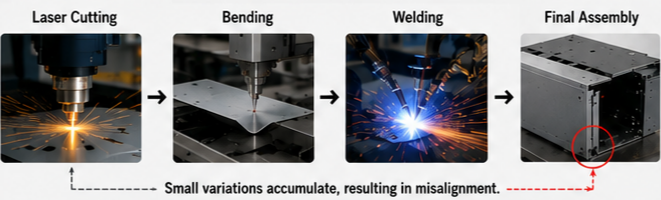 |
Therefore, the core of DFM is not to optimize a specific process, but to identify potential risks across the entire manufacturing system at the product design stage, thereby better aligning product design with actual manufacturing conditions.
Regarding how the processing procedure affects the final assembly, we conducted a further analysis in the article “Why Precision Laser Cutting Parts Still Fail During Assembly“.
For OEM projects, the more complex the product structure, the more necessary it is to identify these systemic risks at the design stage rather than relying on rework during production.
When Should a Design for Manufacturability Review Be Performed?
Many enterprises only revise the design after the product has encountered problems. However, the most valuable stage of DFM occurs before production begins.
Whether it is the development of new products or the optimization of existing ones, the goal of DFM is to identify problems before entering the formal production stage, rather than solve them during the production process.
What Does Design for Manufacturability Evaluate?
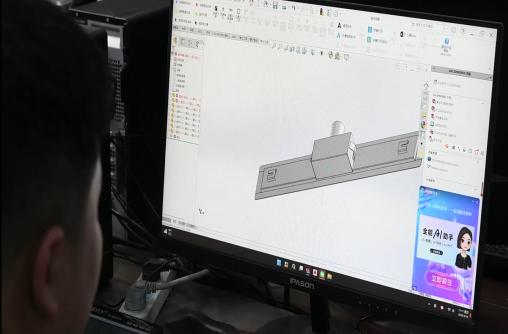
Excellent DFM is not merely about modifying drawings; rather, it helps engineers re-evaluate the product design from a manufacturing perspective to determine whether it is truly suitable for mass production.
Material selection affects not only product performance but also downstream processes such as bending, welding, machining, and surface finishing. A well-chosen material helps balance performance, manufacturing efficiency, and production costs.
Different production volumes require different manufacturing strategies. DFM evaluates the product design and selects the most appropriate process route, such as laser cutting, stamping, bending, welding, or machining, instead of simply following the drawing.
Not every dimension requires the highest level of precision. DFM identifies the critical dimensions that affect product function and assembly. This improves manufacturing efficiency while reducing unnecessary machining complexity.
A good design should be easy to manufacture as well as easy to assemble. Hole locations, bending sequences, welding methods, and dimensional chains should all be evaluated during the design stage to improve assembly consistency.

How Does Design for Manufacturability Improve the Manufacturing Process?
“Design for Manufacturability” runs through the entire manufacturing process, rather than being limited to a single step.
• During material selection, engineers evaluate whether the material suits the product’s application. They also consider processability and manufacturing costs.
• During process planning, engineers select the most suitable manufacturing route based on the product design, production volume, and equipment capabilities. This improves overall production efficiency.
• During dimensional control, the focus is on the critical dimensions that affect product function and assembly. Not every dimension requires the same manufacturing tolerance.
• During assembly analysis, engineers evaluate bending springback, welding deformation, dimensional chains, and positioning methods. This helps reduce assembly risks before mass production begins.
“Design for Manufacturability” does not alter the manufacturing process. Instead, the early engineering review aligns the selection of materials, process planning, size control, and assembly plans more closely with the requirements of mass production, thereby enhancing manufacturing efficiency and long-term production stability.
OEM Case Study: How a DFM Review Prevented Production Issues
Project Background
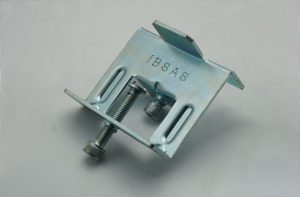
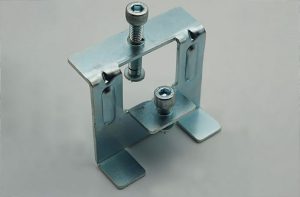
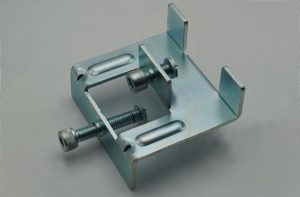
In one industrial equipment bracket project, the customer submitted a completed engineering drawing and requested that the prototype be manufactured according to the existing design. Based on the drawing review, the part appeared fully manufacturable, and all specified dimensions met the design requirements.
DFM Review
Before official production, we conducted a Design for Manufacturability review in accordance with standard procedures. The engineering team focused on analyzing the material specifications, bending sequence, hole layout, and welding method. They found that some installation holes were relatively close to the bending line. Although the final manufacturing dimensions might still meet the tolerance specified in the drawings. Bending springback could introduce dimensional variation between the hole positions and the assembly datum, potentially affecting assembly consistency during mass production. This might affect the assembly consistency during mass production.
DFM Optimization
After communicating with the customer, we suggested making appropriate adjustments to the positions of some holes, optimizing the bending sequence, and re-planning the welding positioning method. These adjustments did not alter product functionality or increase manufacturing costs, but effectively reduced uncertainties in the manufacturing process.
After the sample verification was completed, the product could be successfully assembled. During subsequent batch production, it also maintained consistent quality without any additional rework or on-site adjustments due to design issues.
This case demonstrates that many issues that affect the stability of mass production do not surface during the review of drawings or the inspection of individual items, but can be identified and optimized during the DFM review process.
DFM does not involve redesigning the product; instead, it involves conducting engineering reviews before production begins to ensure the product design aligns more closely with the actual manufacturing process.
Why Do DFM Capabilities Vary Between Manufacturers?
Although many manufacturers offer DFM services, the optimization suggestions they ultimately propose often differ significantly.
The reason is that DFM is not a fixed checklist but rather a comprehensive judgment informed by engineering experience and actual manufacturing capabilities. Engineers not only need to understand product design but also need to be familiar with the relationships among different materials, equipment capabilities, manufacturing processes, and mass production to propose truly feasible optimization solutions.
This engineering judgment ability stems from long-term manufacturing practice, rather than merely from design experience.
Effective DFM depends on engineering teams participating throughout the entire manufacturing process, from drawing review and process planning to production. This allows recommendations to balance product functionality, manufacturing costs, and long-term production stability instead of remaining theoretical.
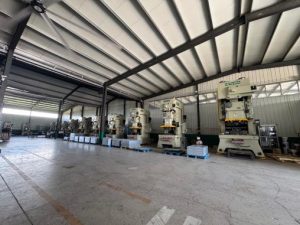
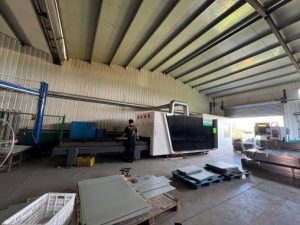
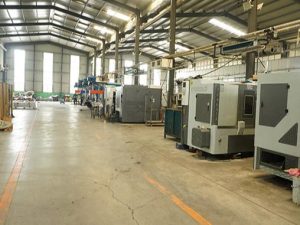
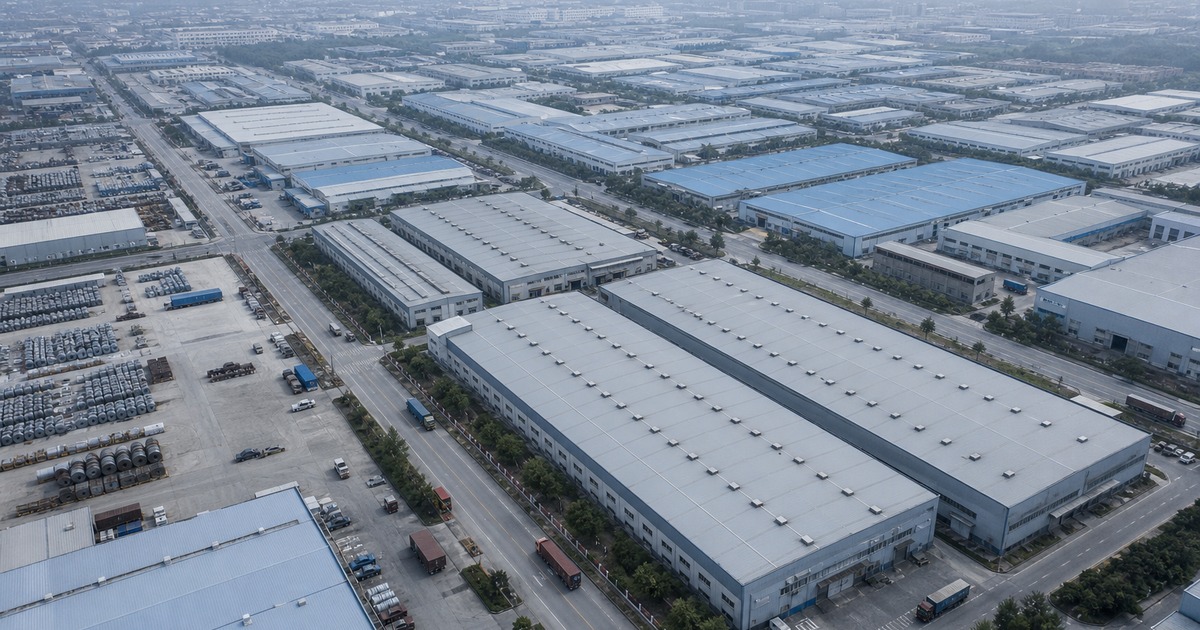
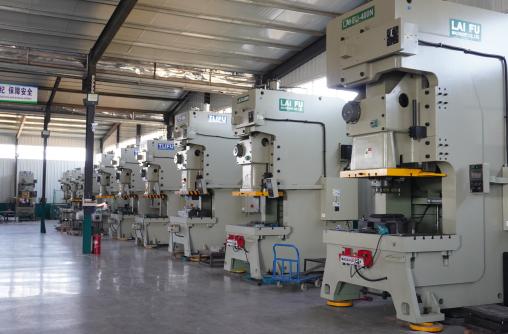
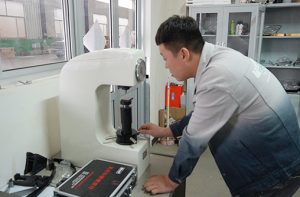
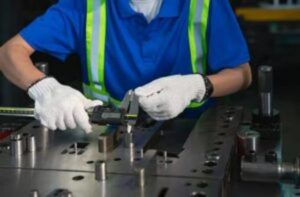
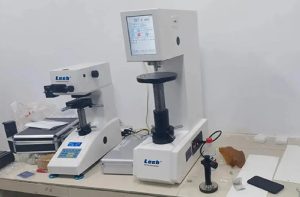
As an OEM metal fabrication manufacturer, we have built a complete manufacturing system covering laser cutting, stamping, bending, welding, machining, surface finishing, and dimensional inspection within a 9,000 m² production facility. This integrated capability allows our engineering team to evaluate manufacturability based on real production conditions rather than theoretical assumptions.To support different product requirements, our facility includes 38 stamping presses (80–400 tons), 6 kW laser cutting systems, five-axis machining centers, vertical machining centers, and Coordinate Measuring Machines (CMM) for critical dimensional verification.
Meanwhile, we have 19 engineers with an average of over 10 years of industry experience. They have customized the production of 70,000 different metal parts for 3,000+ enterprises across 100+ countries and regions worldwide. They have also obtained the ISO 9001:2015 quality management system certification, thereby continuously standardizing the engineering review, production control, and quality management processes.
Ultimately, the true value of Design for Manufacturability is not simply making a product manufacturable, but making it manufacturable at scale with long-term stability, efficiency, and consistency.
Get a Professional Design for Manufacturability Review
Design for Manufacturability · Process optimization · Risk identification
📩 tylor@xinjiuxinji.com — Reply in 3 working hours — free design optimization & quotation.
Many manufacturing issues should be identified before production starts — not after. Upload your drawings for a professional DFM review.
DFM for Sheet Metal: Why It Is More Than a Design Review