Why Your Metal Bending Parts Don’t Fit in Assembly
Your metal bending parts passed inspection.They met the drawing specifications.The prototype assembled perfectly.
But once mass production started, the parts no longer fit together.
If you’ve experienced this issue, you’re not alone. Assembly failures after production are one of the most common and costly challenges in OEM metal fabrication.
👉 Metal bending is only one step in sheet metal fabrication, where engineering review and process planning determine whether parts will assemble consistently in mass production. In most cases, the problem isn’t caused by a single bending operation. It results from uncontrolled variation across design, manufacturing processes, and mass production.
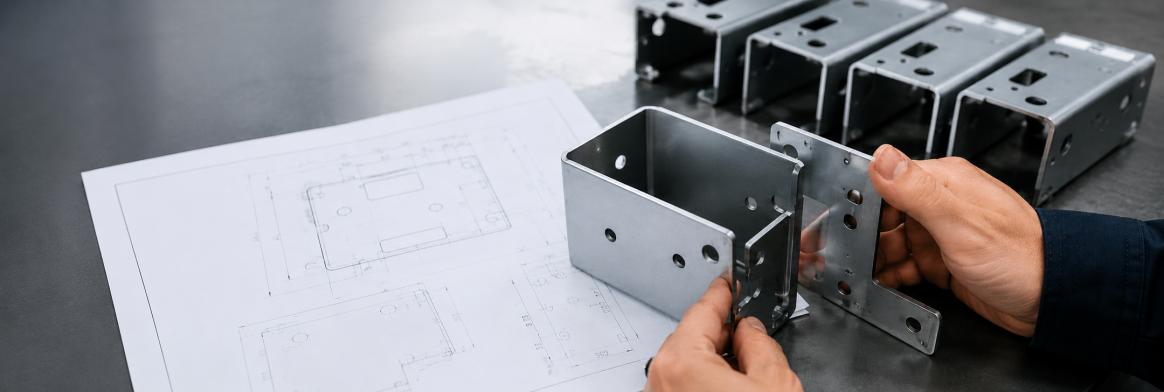
Why Do Metal Bending Parts Fail During Assembly?
Metal bending assembly failures are usually not caused by a single process. Instead, they occur when deviations accumulate across multiple stages of the manufacturing workflow.
Although the final issue appears during assembly, the root cause is often introduced much earlier—during design review, process planning, or production control.
Common causes include:
- Lack of assembly validation during the design stage
- Insufficient process stability control during production
- Poor coordination between multiple manufacturing processes
It is not a problem of processing accuracy, but the absence of system control.
Why Process Control Matters in Metal Bending
| Typical machine shops | Our control system |
|---|---|
| Focus only on single-process machining accuracy | Control full-process manufacturing system stability |
| Start mass production directly after sample approval | Implement closed-loop validation across pre-production, in-process, and post-production stages |
| Rely on experience-based adjustments | Rely on data-driven control and assembly validation |
👉 Core difference: Typical suppliers focus on whether parts can be manufactured. We focus on whether the final assemblies can be consistently fitted and function in mass production.
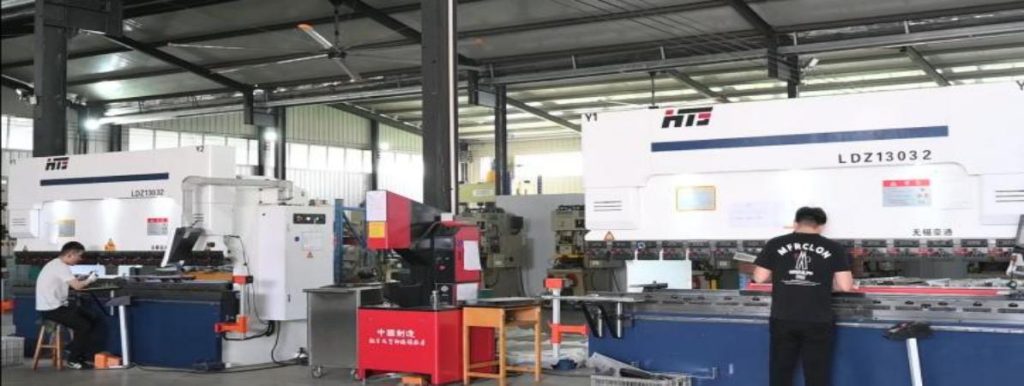
How We Prevent Metal Bending Assembly Problems
The difference is not the machine itself. Most suppliers today have CNC press brakes, laser cutting machines, and welding equipment.The real difference lies in how every manufacturing process is connected and controlled.
阶段一
阶段二
阶段三
Based on experience with over 70,000 manufactured metal parts, we conduct detailed engineering reviews before production begins, including:
- Assembly feasibility analysis
- Tolerance stack-up evaluation
- Bending manufacturability verification
- Structural interference risk assessment
👉 Purpose:To identify potential assembly failure risks before the design enters mass production.The key principle is not simply whether a part can be manufactured, but:
Whether it can be reliably assembled in mass production.
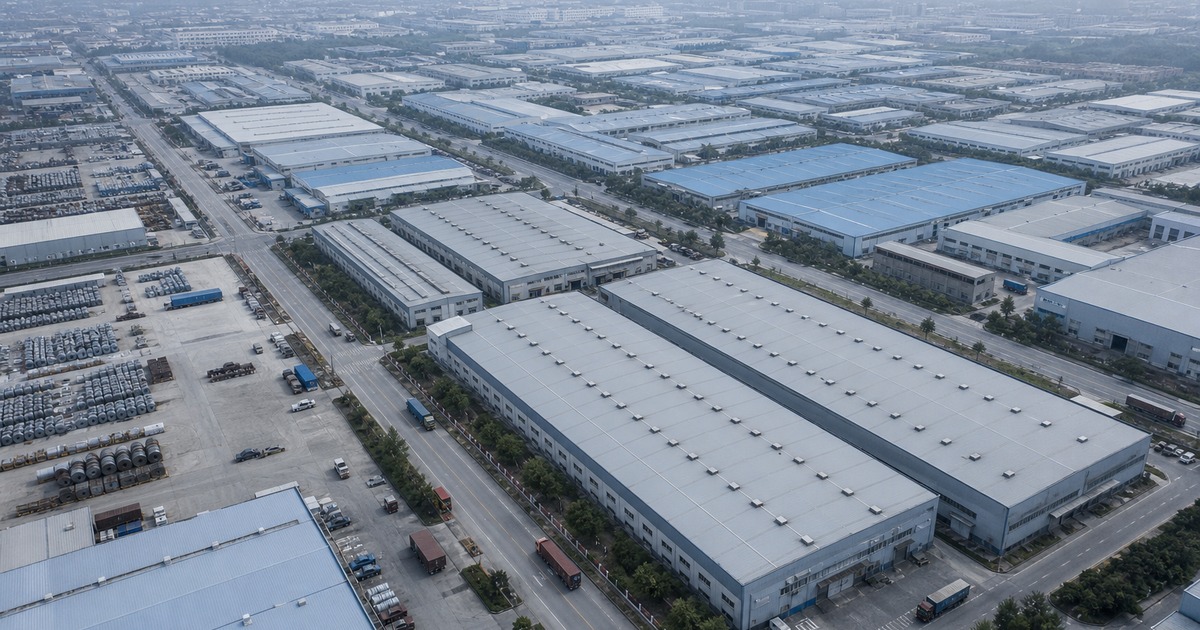
In our 9,000㎡ modern manufacturing facility, we ensure stability through coordinated process control across multiple operations:
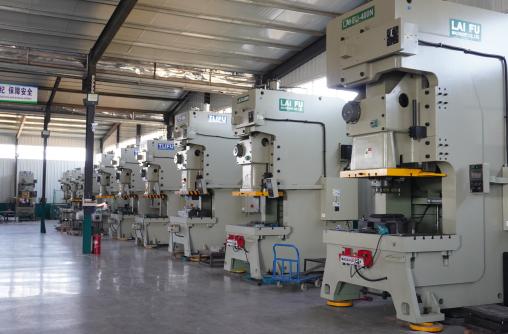
- Stamping (80–400 ton presses, 38 sets) → structural consistency
- Laser cutting (6KW equipment) → reference accuracy and positioning control
- Metal bending (metal bending) → sequence control and springback compensation
- Welding (3 production lines + automatic spot welding) → deformation control
👉 Core logic:We do not control each process independently—we control the interaction between processes as a complete system.Cutting affects bending, bending affects assembly, and welding affects final structural accuracy.
Many suppliers only check dimensional compliance, but we focus on final assembly performance:
- CMM coordinate measuring machine for critical dimensions
- Caliper verification of key tolerances
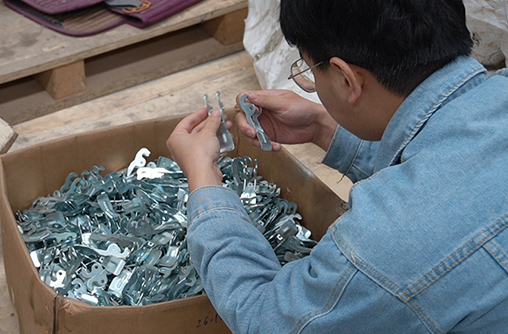
- Real multi-part assembly testing
- Batch consistency inspection
👉 Core principle:“Manufacturable” does NOT mean “assemblable”Only parts that pass real assembly validation are approved for shipment.
This approach follows the principles of OEM metal fabrication, where product design is optimized for stable manufacturing and reliable assembly before production begins.
Why Does the Prototype Pass but Mass Production Fail?
- • Single-piece production
- • Manual correction
- • Non-continuous production
- • Batch fluctuations
- • Mold wear accumulation
- • Continuous production deviation
- • Error accumulation
This is why many suppliers can produce a successful prototype, but struggle to maintain the same assembly performance across thousands of production parts.
Can Your Supplier Prevent Assembly Failures?
If your project includes:
-
- — Precision metal bending parts
- — Sheet metal assemblies
- — Tight assembly tolerances
- — Multi-process manufacturing
- — Medium or high-volume production
Then manufacturing capability alone is no longer enough.
👉The supplier must be able to control every stage of the manufacturing process to ensure consistent assembly performance.
Get a Free Assembly Risk Review
✅ Assembly issue diagnosis · Process control review · Stability analysis
📩 tylor@xinjiuxinji.com — Reply in 3 working hours — free design optimization & quotation.
Many assembly issues should be caught before production starts — not after delivery. Upload your drawings and let our engineering team assess the risk.
Why Precision Laser Cutting Parts Still Fail During Assembly