Metal Stamping Supplier China: A Buyer’s Guide from Screening to Mass Production
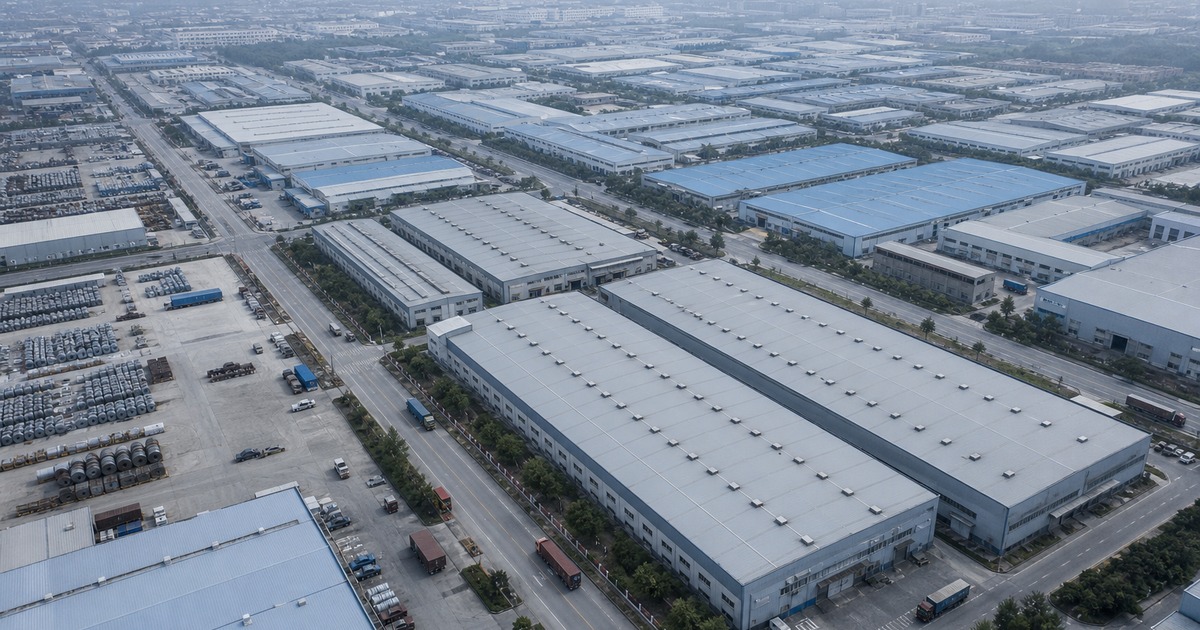
China has long been a major source of metal parts manufacturing and procurement worldwide. Its stamping supply chain, in particular, is concentrated in several mature manufacturing clusters. Finding supplier names is easy. Choosing a metal stamping supplier in China you can rely on is harder. This guide covers the whole journey, from preparation to mass production. It shows why buyers source from China, how to screen and test suppliers, and how to manage cross-border risk.
Why Source Metal Stamping from China?
Cost is the usual starting point. For most buyers, the lasting value is structural:
- Vertical integration. Material supply, die making, stamping, surface treatment, and assembly operate in the same region. Short distances cut logistics and coordination costs.
- Tooling and stamping coordination. Suppliers that combine die making with stamping usually run shorter loops between die modification, tryout, and production.
- Engineering depth. Engineers work directly with buyers on drawings, materials, and process choices. They solve problems before production, not after.
- Batch adaptability. Some full-process suppliers move from prototyping through small batches into mass production. This reduces the need to switch suppliers between project stages.
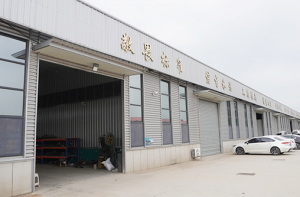 Stamping clusters in Hebei (including Nanpi), the Yangtze River Delta, and the Pearl River Delta each have different strengths. Our plant sits in Nanpi, Hebei, a county known for metal stamping and die making.
Sourcing from China suits volume-driven parts with clear drawings. It also suits projects where engineering iteration matters, because die and press work sit close together. For one-off parts or designs still changing weekly, a local supplier may respond faster. The right question is not “China or not”. It is whether the supplier’s process matches your project stage.
Cross-border buyers often ask whether quality can match what they get locally. The controls that matter — first-article checks, process sampling, lot traceability — are the same everywhere. What differs is how verifiable they are before you commit. This guide tests that.
None of these advantages survive a bad supplier choice. The rest of this guide shows what to check at every stage, from first contact to full production.
Start with Your Own Requirements First
Quote quality depends on brief quality. Before you contact any supplier, define your own requirements:
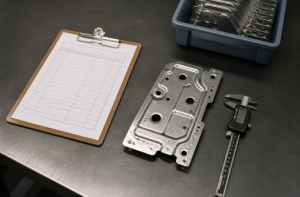 Drawing status. Do you have 3D models, 2D drawings, or both? Note material grade, finish, and critical tolerances.
- Volume. Estimate annual quantity and typical batch size. Tooling cost amortizes differently for small and large volumes.
- Cost targets. If the project has a target cost, share a range. If not, ask for itemized quotes on material, tooling, and processing so offers stay comparable.
- Compliance needs. Note required certifications, industry standards, and documentation.
- Packaging and delivery. Consider finish protection, export packing, and the destination market.
A vague brief produces vague quotes. A clear brief lets suppliers answer with facts. It also lets you compare quotes from different suppliers fairly. This preparation also feeds the engineering review that follows.
Briefs fail most often because internal teams disagree. Engineering, quality, and purchasing should align on tolerances, volume, and compliance before sending the brief. One internal meeting prevents weeks of conflicting supplier questions.
How to Screen Metal Stamping Suppliers in China
Build a shortlist from channels you can verify. Good sources include industry trade shows, referrals from buyers in your field, and marketplaces with factory verification programs. Three to five candidates are enough. Then screen them with the checks below.
Screening a China metal stamping supplier starts with evidence, not claims. A polished website can belong to a trading desk or to a plant with twenty presses. The two look identical online. The checks below separate them.
| Check | Why it matters | How to verify |
|---|---|---|
| Years in business and focus | Stability and specialization signal reliability | Compare company history with the industries they serve |
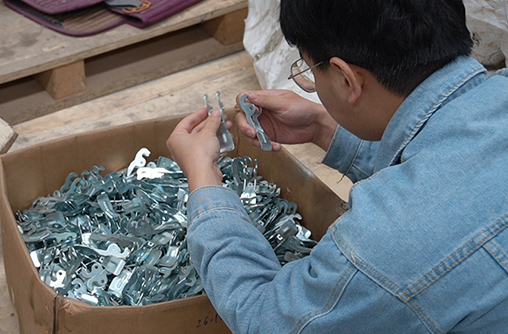
| Real workshop evidence | Confirms a physical plant, not a trading desk | Ask for current photos or video of production, tooling, and material storage |
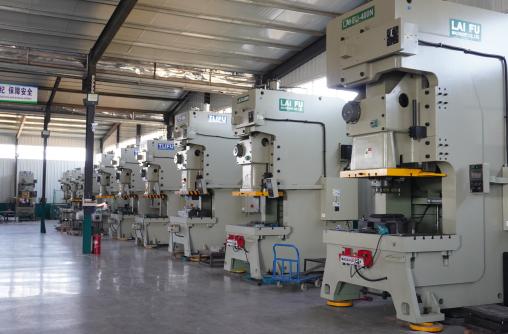
| Equipment vs. claimed capability | Machines must support the processes offered | Review the equipment list against your process chain |
| Case studies in your industry | Relevant experience shortens the learning curve | Ask for anonymized examples and customer references |
| Certification validity | A certificate proves a system, not current practice | Confirm through the issuing body, as our ISO 9001 verification guide explains |
After the paper checks, run a communication test. Ask one specific technical question about your part. A supplier with real engineering answers with specifics: press tonnage, material limits, tolerance questions, process alternatives. Suppliers with weaker engineering often reply with general capability statements. They lack specific judgments about your part’s geometry. This test usually reveals differences in engineering communication faster than equipment photos or certificates alone. Ask the same question to every shortlisted supplier. Written answers compare more fairly than phone calls, and they leave a record you can keep.
Red flags include price-only answers, pressure to pay before a written review, and resistance to confidentiality agreements. For a deeper capability checklist, see our supplier capability audit guide.
Engineering Review and Sampling: The Real Test
Once the drawing reaches the supplier, the engineering review starts. A strong review questions the design, flags production risks, and proposes alternatives before tooling begins. Our engineering review guide explains what a good review covers and where weak reviews fail.
What a Serious Metal Stamping Supplier Sends Back
A serious supplier replies with a document, not a one-line price. Expect the following:
- Questions and design-for-manufacturing notes on the drawing
- Material and tolerance feedback with reasons
- A tooling proposal: die type, estimated life, and tryout plan
- An itemized quote: tooling, piece price, packing, and freight listed separately
- A project timeline with clear milestones
The more complete these items are, the less uncertainty usually remains on cost, lead time, and responsibility boundaries. A quote without a tooling breakdown hides cost. Complex parts with tight tolerances or several process routes deserve careful review. If a supplier returns no technical questions and no DFM feedback, treat it as a signal. Ask how thoroughly they reviewed the drawing.
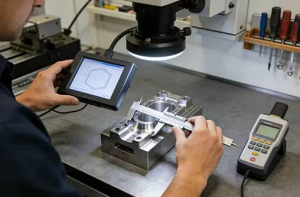
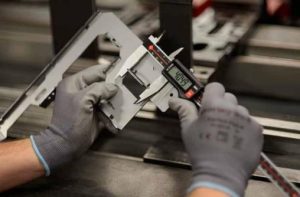
Sampling is the next gate. Measure first articles against the drawing, and list actual values for critical dimensions in the report. The purpose is to prove the process, not just the sample. Keep the first article report; it becomes the baseline for later batches.
Sampling cost varies. Some suppliers charge for samples and tryout; others fold the cost into the tooling quote. Ask upfront how sampling is priced, and get the answer in writing.

Tooling, Production, and Batch Consistency
Tooling Ownership and Cost
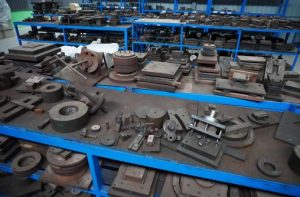
Tooling is the largest single decision in a stamping project. Die type, cost structure, and ownership affect every batch after the first. A progressive die suits higher volume. A single-hit die may suit lower volume. Ownership decides what happens if you switch suppliers later. Our custom tooling guide explains these trade-offs in detail.
 Mass production quality depends on controls, not intentions. First-article checks, in-process sampling, and lot-linked records keep batches consistent. Our batch quality control guide explains how first-article checks, process sampling, final inspection, and lot traceability support batch consistency.
Capacity matters too. A supplier near full load may push your batch later or rush it through. Ask about current load and how production is scheduled. A straight answer about capacity is a good sign.
Agree on milestones in writing before production starts: tooling completion, sample approval, first article, and batch release. Written milestones prevent drift and keep both sides accountable. They also protect you if priorities change. If volume drops or the design moves, a written log shows what was agreed, what changed, and when. Scope disputes rarely survive a clear log.
Cross-Border Considerations When Buying Stamped Parts from China
Regional differences show up in drawings first. Confirm the unit system, tolerance conventions, and material standards before quoting. If your material grade is uncommon locally, ask the supplier for the nearest available grade. Confirm its properties in writing. Never assume a grade is identical across different standards.
Managing Communication and Spec Changes
Spec changes are normal in product development. The risk is silent change. Require written confirmation for every modification, and keep revision control in the drawing files. Ask how the supplier locks a revision before production. A supplier that controls revisions controls quality.
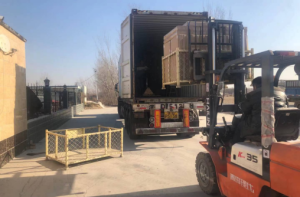 Stamped parts are heavy relative to their value, so freight deserves attention. Ask for a packing proposal that protects the finish and uses container space well. Confirm the trade terms (for example, an Incoterms rule) and the point where cost and risk transfer. State the destination port in the inquiry; freight quotes drift when the destination is unclear. Payment milestones should match clear deliverables, such as tooling design approval, tryout, sample approval, or batch release. The exact schedule depends on supplier credit, project size, and the contract between both parties.
Control how much technical data you share, based on project sensitivity. For projects that need full assembly context for an accurate engineering review, provide the complete package after signing an NDA. For initial quoting, a part drawing with key requirements is often enough.
For proprietary parts, sign a non-disclosure agreement before sharing files, and limit who receives drawings. Many established suppliers treat NDAs as standard practice.
Our Approach as a China Metal Stamping Supplier
Our plant in Nanpi, Hebei, has served OEM customers since 1999 and spans 9,000 m².
As a China metal stamping supplier, we treat the engineering review as the start of a project. It is not a sales step. Drawings go directly to engineers. For parts that combine stamping, bending, welding, or secondary CNC work, engineers first decide where each critical dimension is formed. Inspecting then prevents datum-accumulation errors between processes.
Reviews come back with questions, alternatives, and an itemized quote: tooling, piece price, packing, and freight listed separately. We run first-article checks and in-process sampling on every project, with records kept by lot number. We sign NDAs before receiving proprietary drawings, confirm specification changes in writing, and track them by revision. This is how a stamping partnership stays predictable across borders and across batches.
FAQ
Start Your China Stamping Supplier Evaluation
✅ Free engineering review · Itemized quote · NDAs standard · 3h response
📩 tylor@xinjiuxinji.com — First response within 3 working hours · Free samples included
Chinese Metal Stamping Factory vs US On-Demand Fabrication Services: Which Is Better for Production Runs?