Metal Material Information That Every Buyer Should Know Before Placing an Order
The drawing says SUS304. Procurement places the order. The shop floor runs the job. Then the parts warp. Surfaces aren’t clean. Or die wear doubles what was expected. The drawing is right. The material is genuine. The real issue? The grade on the drawing is just a name — not the actual performance of this batch of metal material.
We’re in sheet metal stamping, and we work with drawings and materials every day. What follows are lessons we’ve learned and validated on the shop floor, order after order. You don’t need to become a materials expert — but knowing these basics will make your conversations with your fabrication partner smoother and keep your projects out of the weeds.
Metal Materials Grades Are Only the Starting Point
Many customers assume that if the drawing mentions “SUS304” or “Q235”, the matter is settled.
In fact:
• Also known as SUS304, this material has different grades in terms of thickness tolerance, surface condition, and mechanical properties.
• Also known as Q235, the rolled state and supply dimensions differ.
The listed specifications on the drawings are merely a starting point, not the end. After we receive the drawings, we will do one thing: based on the shape of the parts, the usage scenarios, and the cost budget, we will re-examine whether the metal material selection is reasonable. If adjustments are needed, we will proactively propose solutions.
How to Choose the Right Metal Material for Your Part
| Application Environment | Recommended Material | Advantages | Considerations |
|---|---|---|---|
| Indoor, dry environments with no corrosion risk | Cold rolled steel (SPCC, Q235) | Cost-effective and easy to form | Requires coating or plating for corrosion protection |
| General corrosion protection requirements | Galvanized steel (SGCC, DX51D+Z) | More corrosion resistant than cold rolled steel and more affordable than stainless steel | Welding requires proper process control due to zinc coating evaporation |
| Appearance parts requiring rust resistance | Stainless steel 304 | Good corrosion resistance and attractive surface finish | Higher material cost and potential die sticking issues during stamping |
| Highly corrosive environments (coastal areas, chemical exposure) | Stainless steel 316 | Superior resistance to salt, chemicals, and corrosion | Higher cost; confirm whether the additional performance is truly required |
| Lightweight applications | Aluminum alloys (5052, 6061, etc.) | Lightweight, corrosion resistant, and good appearance | Lower strength than steel and higher springback during forming |
| Load-bearing structures requiring high strength | High-strength steel (HC340, HC420, etc.) | Allows thinner material thickness while maintaining strength | Higher springback and stricter tooling requirements |
Not sure which material is right for your part? Tell us where it will be used, what loads it needs to handle, and your target budget. Our engineers will help evaluate the most suitable option.
What Happens When the Wrong Metal Material Is Selected?
During the stamping process, if the material is not suitable, the problem will be immediately exposed:
Cracking
The material lacked sufficient plasticity and fractured during stamping. The problem was discovered during the trial mold stage. Replacing the material, modifying the mold, and retrying all resulted in wasted time and money.
Springback
The dimensions were unstable for each stamping. Today it is qualified, but tomorrow it will be out of tolerance. The problem often lies in the performance differences among material batches. Switching to a stable material source is more effective than repeatedly adjusting the tooling.
Surface defects
Scratches, orange-peel texture, and whitening at the bends. Some are quality issues with the material surface, and some are due to an inappropriate hardness. Replacing the material is more efficient than spending several days adjusting the mold.
Cost overruns
Excessive use of materials beyond the required amount. For example, in an indoor, dry environment, galvanized sheet is sufficient for rust prevention and costs much less than stainless steel. Still, in outdoor conditions or in contact with corrosive media, stainless steel is the minimum requirement and cannot be spared.
Why Working With a Fabrication Partner Matters
You provide the drawings, and we will handle the processing. We have the expertise in selecting the metal materials. You need to confirm whether the parts are functional.
📦 Material Sourcing
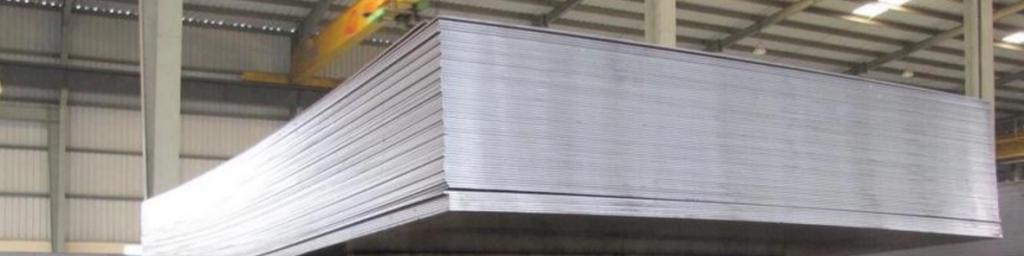
You don’t need to search for steel mills by yourself, compare prices, wait for delivery dates, or inspect the incoming materials. Procurement and processing can be carried out in the same factory, saving you time.
🔍 Incoming Inspection
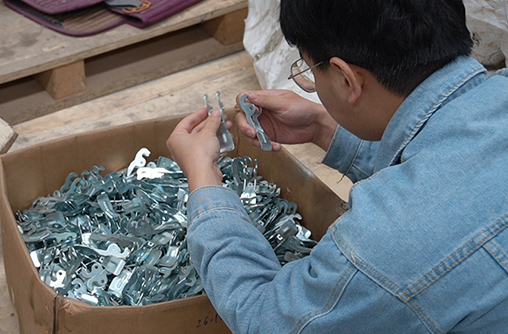
Once the materials arrive at the factory, we will conduct basic tests such as hardness, thickness, and surface quality to ensure that the incoming materials meet the requirements of the drawings before they are stored. Not all problems are visible on the surface. Still, we will eliminate those that can be detected in advance before processing.
⚙️ Production Experience
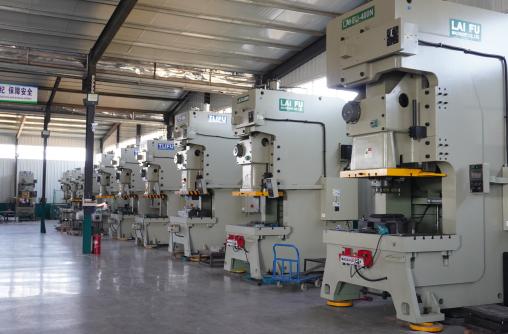
Every day, we are pressing metal materials. Whether the same batch of materials can be pressed, whether they will spring back, and how to adjust the molds – these judgments are based on our accumulated experience over time.
📋 Inventory Management
We have materials in stock. You don’t need to stock up on an entire roll of material for a single order. We purchase and process materials as per your requirements.
Just hand over the materials to us, and you only need to focus on the parts themselves
Three Questions We Ask Before Confirming Materials
|
We won’t start production directly upon receiving the drawings. The material confirmation is the first step. The engineers or sales representatives will contact you proactively to ask for more details: ① Where are the parts installed?
Indoors or outdoors? Will they be exposed to rain? Are there salt spray or chemicals? The environment determines the rust prevention grade. ② What does the part withstand?
Is it stationary or subjected to repeated forces? Is it an exterior part or a structural part? The force condition determines the strength and thickness. ③ How sensitive to cost is it?
Is it about achieving ultimate performance, or just being adequate? This answer determines the direction of our proposal – we won’t recommend expensive options, nor will we sacrifice key performance for cost savings. |
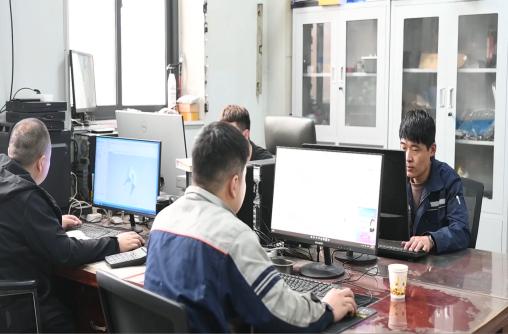 |
The answers to these three questions can be written directly in the drawing’s remarks section, or we can communicate verbally when we contact each other. The clearer the information is, the shorter the time it takes to confirm the materials.
We ask in detail, not because it’s a bother – but because we want to get things right the first time.
Frequently Asked Questions
Q1. Why do parts fail when the material grade on the drawing is correct?
Because a grade name is only a starting point. A material such as SUS304 still differs between suppliers and batches in thickness tolerance, surface condition, and mechanical properties. When incoming material sits at the edge of that range, the same drawing can warp, crack, or spring back during forming even though the drawing itself is right. The failure is usually a material property mismatch rather than a design error, which is why incoming inspection of hardness, thickness, and surface quality matters before production starts.
Q2. How should a buyer choose the material for a new part?
Start from the application rather than the grade. Indoor, dry environments with no corrosion risk are often served by cold rolled steel such as SPCC or Q235, which is cost effective and easy to form but requires coating or plating for corrosion protection. Outdoor or wet conditions call for corrosion resistance, where galvanized sheet may be sufficient and stainless steel is the safer but more expensive option. Confirm the environment, the load, and any appearance requirement before fixing the material.
Q3. What happens before the material is confirmed on an order?
We do not start production straight from the drawing; material confirmation comes first. The engineers or sales representatives contact you to confirm how the parts will be used and what conditions they must survive before the material is fixed. That conversation is also where sourcing happens, because procurement and processing sit in the same factory, and the incoming material is checked for hardness, thickness, and surface quality before it goes into stock.
Frequently Asked Questions
Q1. Why do parts fail when the material grade on the drawing is correct?
Because a grade name is only a starting point. A material such as SUS304 still differs between suppliers and batches in thickness tolerance, surface condition, and mechanical properties. When incoming material sits at the edge of that range, the same drawing can warp, crack, or spring back during forming even though the drawing itself is right. The failure is usually a material property mismatch rather than a design error, which is why incoming inspection of hardness, thickness, and surface quality matters before production starts.
Q2. How should a buyer choose the material for a new part?
Start from the application rather than the grade. Indoor, dry environments with no corrosion risk are often served by cold rolled steel such as SPCC or Q235, which is cost effective and easy to form but requires coating or plating for corrosion protection. Outdoor or wet conditions call for corrosion resistance, where galvanized sheet may be sufficient and stainless steel is the safer but more expensive option. Confirm the environment, the load, and any appearance requirement before fixing the material.
Q3. What happens before the material is confirmed on an order?
We do not start production straight from the drawing; material confirmation comes first. The engineers or sales representatives contact you to confirm how the parts will be used and what conditions they must survive before the material is fixed. That conversation is also where sourcing happens, because procurement and processing sit in the same factory, and the incoming material is checked for hardness, thickness, and surface quality before it goes into stock.
Want to Choose the Right Metal Material? Get a Free Material Assessment
✅ Material selection guidance · Process matching · Cost optimization
📩 tylor@xinjiuxinji.com — Reply in 3 working hours with free design optimization.
📌 Submit your drawings for professional material selection recommendations — Choose the right material, get it right the first time
👇 Click the button above to get your free material assessment now
Carbon Steel Fabrication: How to Choose the Right Steel Grade for Your Application