Metal Fabrication Cost: The Difference Between Low Price and Low Total Cost
In metal fabrication projects, many OEM companies find that quotations from different suppliers can vary significantly for the same product drawings.However, what truly affects the metal fabrication cost is not just the initial quotation but also the comprehensive investment in product design, production efficiency, and long-term batch manufacturing.
Through reasonable sheet metal design optimization, enterprises can reduce unnecessary manufacturing costs before production begins. This article will analyze the key factors that affect metal fabrication costs and how to achieve long-term cost optimization through more efficient manufacturing methods.
Why Do Metal Fabrication Costs Differ for the Same Parts?
Many purchasing personnel may think that the reason different suppliers offer different prices for the same product is mainly due to differences in profit margins. However, in the actual manufacturing process, the cost differences often stem from deeper manufacturing factors.
Even when dealing with the same product drawings, the manufacturing costs ultimately produced by different suppliers may vary, mainly depending on the following factors:
Experienced manufacturers, when evaluating a project, not only calculate processing costs but also consider whether the product is suitable for actual production, including its structure, production difficulty, and the feasibility of long-term batch manufacturing.
Identifying potential problems in advance can reduce the need for subsequent adjustments and improve production efficiency.
The same part may use different production methods, which will affect processing time, material utilization rate, production efficiency, and batch stability.
Reasonable production planning can help enterprises reduce per-unit manufacturing costs.
Long-term production experience can affect a supplier’s ability to handle projects. Experienced manufacturers are better able to understand which designs may increase costs, which production methods are more suitable for long-term supply, and which aspects need to be optimized in advance.
Therefore, the differences in quotations among suppliers are not merely price differences but rather a comprehensive reflection of manufacturing methods, production efficiency, and project comprehension capabilities.
What Factors Influence Manufacturing Costs?
A single processing fee does not determine metal fabrication cost. It is the result of multiple factors throughout the entire manufacturing process.For OEM projects, the overall cost is mainly influenced by the following factors:
These factors do not exist independently.
For example, a product with a complex structure may simultaneously increase the number of manufacturing steps, production time, and quality-control requirements. Therefore, reducing metal fabrication cost requires optimizing the entire manufacturing process rather than focusing on a single production stage.
How Can Design Optimization Reduce Manufacturing Costs?
Many enterprises hope to reduce costs during the production stage. However, in reality, many cost factors are already established during the product design phase. Reasonable design optimization can help enterprises reduce manufacturing difficulties before production begins.
 |
Reduce Unnecessary Design Complexity The more complex the product structure is, the more production steps it usually involves. By meeting the product’s functional requirements, optimizing the structural design can help reduce processing time, increase production efficiency, and lower manufacturing difficulty. Improve Material Utilization Efficiency Reasonable product design can reduce material waste. This not only reduces material inputs but also improves the efficiency of mass production. Involve the Manufacturer Early in the Design Stage When professional manufacturers are involved in the early stages of product development, they can help enterprises identify design factors that may increase costs, more suitable production solutions, and manufacturing processes that can be optimized. |
This is also an important value of Sheet Metal Design Optimization. It is not merely about modifying the product design; rather, it is about making the product easier to manufacture before entering production and better suited to long-term, stable production.
How Manufacturing Capabilities Affect Long-Term Costs
When choosing a metal processing supplier, enterprises should not only focus on the initial quotation but also assess whether the supplier can reduce manufacturing costs over the long term. A manufacturing partner with long-term value usually needs to possess the following aspects:
Metal fabrication projects usually involve multiple production stages. If multiple suppliers handle different processes, enterprises need to invest more time in coordinating with suppliers, tracking production progress, and managing product transfers. Suppliers with a complete production system can reduce the costs of information transmission and coordination between different processing stages, thereby improving the efficiency of project execution.
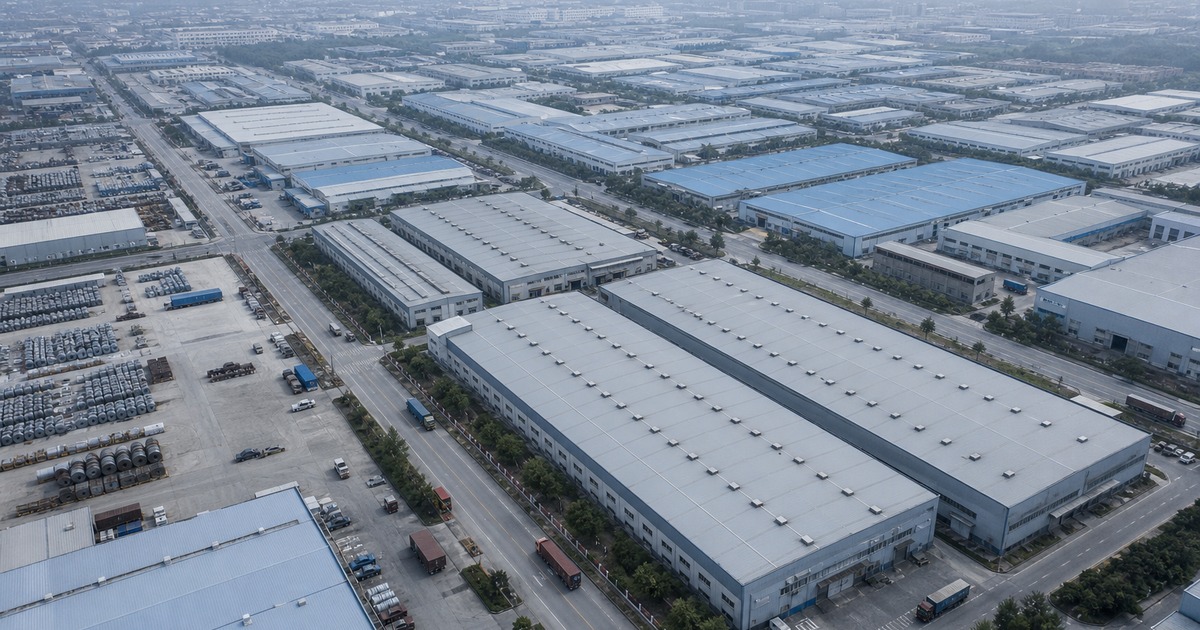
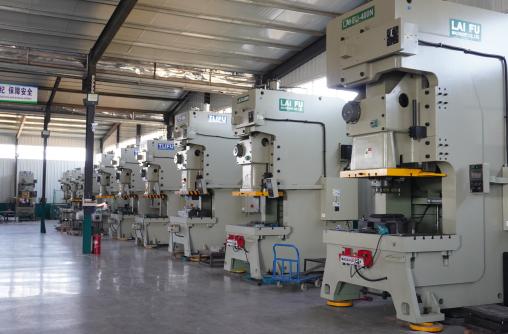
We have a 9000㎡ modern production base, covering:
Laser cutting
Bending
CNC Machining
Welding
Surface treatment
Support the entire manufacturing process from product development to mass production.
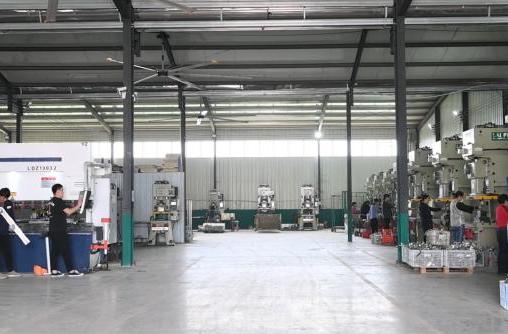
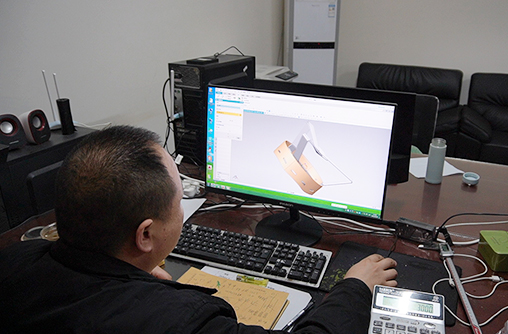
Manufacturing costs come not only from processing but also from early product design and production planning. Excellent suppliers not only produce according to the drawings but also participate in optimizing the manufacturing plan. The engineering team can identify in advance the design factors that may increase costs, problems that are not suitable for mass production, and production processes that need to be optimized.
We have a 19-person engineering team:
A total of 70,000+ metal parts have been manufactured.
Provide manufacturing support according to the requirements of different projects

For OEM customers, the successful sample approval does not guarantee a stable long-term production process. During the mass production stage, if product consistency is insufficient, additional inspections, product adjustments, and delivery coordination may be required. A stable production system can reduce fluctuations in the manufacturing process and enhance the reliability of long-term supply.
ISO 9001:2015 Quality Management System
Ensure the stability of mass production.
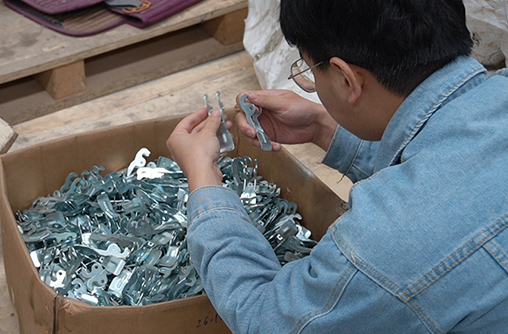
Get a Professional Metal Fabrication Cost Assessment for Your Project
✅ Engineering review · Manufacturing feasibility · Stable long-term delivery
📩 tylor@xinjiuxinji.com — Reply in 3 working hours with free design optimization.
Submit your drawings for professional metal fabrication cost optimization — Control manufacturing costs from the design stage
Manufacturing Defects in Stamping: How We Prevent Them Before Production