Aluminum Fabrication Supplier Selection Guide: Key Factors Beyond Price
When choosing an aluminum fabrication supplier, many OEM buyers initially focus on quotation comparison. However, the lowest price does not always represent the lowest total manufacturing cost. In the actual production process, the supplier’s manufacturing capacity, quality stability, and long-term delivery capability often have a greater impact on the project outcome than the initial quotation.
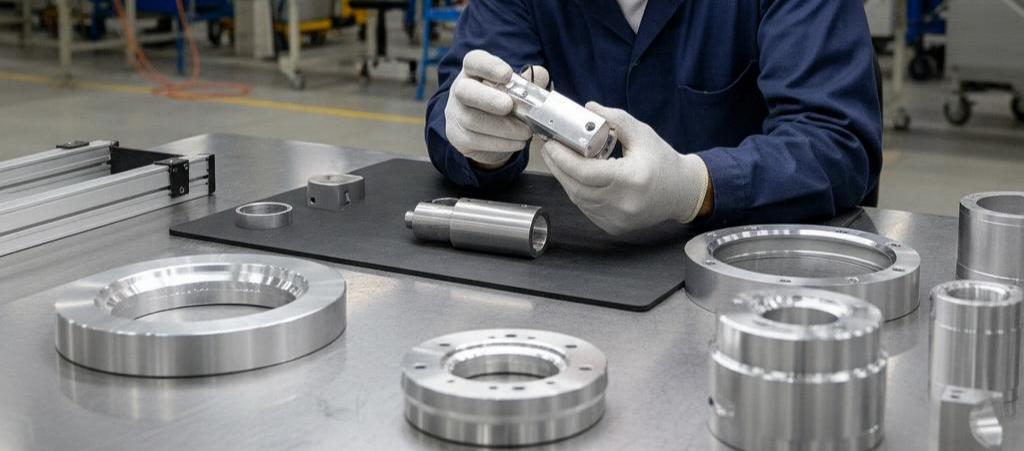
Therefore, the key to choosing an aluminum processing supplier is not to look for the manufacturer with the lowest price, but to find a long-term partner who understands product requirements, supports stable production, and helps reduce manufacturing risks.
Why Price Is Not the Only Factor in Supplier Selection
For OEM projects, the supplier’s quotation represents only a part of the manufacturing cost. What truly affects the project cost also includes design adjustments, production stability, quality issue handling, and long-term delivery risks.
Low prices may lead to higher subsequent costs.
Some suppliers, in an effort to offer lower prices, may focus solely on the current order and overlook potential problems that could arise during long-term production. For example:
After the samples were confirmed, it was impossible to achieve stable mass production.
The increase in orders makes it impossible to maintain the delivery capacity.
There is a lack of effective solutions when problems arise.
These factors will all increase: time, communication, and production management costs.
Therefore, when choosing an aluminum material processing supplier, it is necessary to pay attention to whether the supplier has a stable production track record, rather than just relying on the first quotation.
What Makes a Reliable Aluminum Fabrication Supplier?
A reliable supplier of aluminum processing not only has the production equipment but, more importantly, also understands the customer’s needs and provides complete manufacturing support. For OEM enterprises, a supplier worthy of long-term cooperation typically has the following characteristics.
Many suppliers use similar processing equipment, but the manufacturing outcomes differ. The difference lies in whether they understand the product application, identify manufacturing risks in advance, and provide DFM suggestions.
For instance, an ordinary industrial bracket and an aluminum casing designed for long-term outdoor use, although both are made of aluminum, have completely different requirements regarding material selection, surface treatment, dimensional stability, and environmental adaptability.
Aluminum parts usually require multiple processes to be completed collaboratively. Suppliers need to possess a complete manufacturing capability from material handling to final delivery.
Overall, a reliable aluminum materials-processing supplier needs not only production capacity but also the ability to support the entire product lifecycle, from development through long-term mass production.
A reliable supplier of aluminum materials needs to not only fulfill individual orders but also support the development of products from the verification stage through to long-term production.
The success of the sample does not necessarily mean stable production. The supplier’s true capabilities need to be verified through long-term orders.
Why Aluminum Fabrication Experience Matters for OEM Production Stability
Aluminum materials have advantages such as being lightweight, high-strength, and having good processing performance. However, they also place higher demands on the manufacturing process. Suppliers without sufficient experience can often complete sample production, but they struggle to ensure stable long-term batch production.
Aluminum alloy has a relatively high coefficient of thermal expansion and a high rate of heat conduction. During the welding process, if the welding sequence is improperly designed, there is a lack of dedicated positioning tools, or the heat input control is insufficient, it is prone to causing part deformation, installation hole deviation, and assembly gap variation.
Different aluminum alloy grades and material conditions will affect processing performance, strength requirements, welding performance, and surface treatment effects. Reliable suppliers will not only quote based on the drawings. Still, they will also evaluate whether the materials and processes are suitable by considering the usage environment, structural requirements, and processing methods.
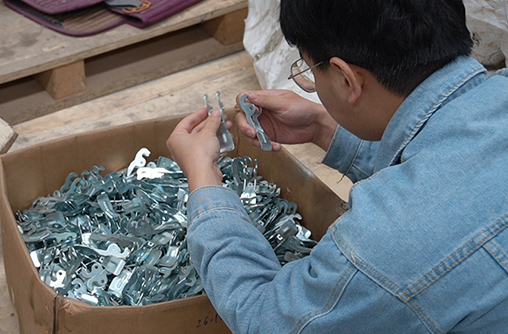
Aluminum parts are usually treated with surface processing methods such as anodizing, sandblasting, and spraying. However, there may be color differences, variations in surface texture, and changes in oxide film thickness between batches. Therefore, suppliers need to establish a complete quality control process covering material control → processing → surface treatment → final inspection.
For OEM customers, choosing an aluminum processing supplier with manufacturing experience and engineering support capabilities is not merely about completing an order but about reducing uncertainties in product development and long-term production.
How to Evaluate Quality Management Capability
For aluminum parts, the stability of quality depends not only on final inspection but also on material control, processing procedures, and collaborative management across different processes.
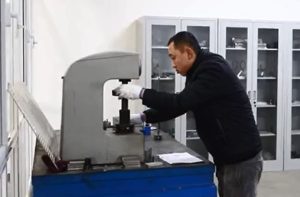
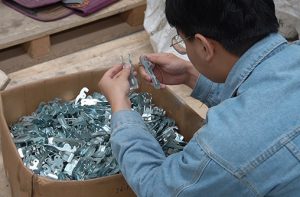
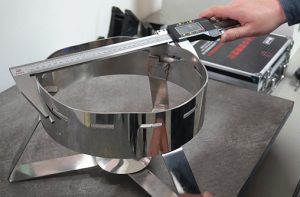
IQC – Ensure that raw materials meet the requirements and prevent material issues from affecting subsequent production.
IPQC– Monitors key stages during the production process, promptly detects abnormalities, and prevents problems from escalating.
FQC – Verifying that the product meets the customer’s requirements before delivery.
For OEM customers, what truly matters is not whether the supplier can detect problems, but whether they can reduce the occurrence of problems through the entire process control. Therefore, quality management capability is also an important criterion for evaluating aluminum material-processing suppliers.
Supplier Evaluation Checklist for OEM Buyers
When choosing a supplier, you can make a comprehensive judgment from the following aspects:
Why Choose Us as Your Manufacturing Partner
Over 26 years of manufacturing experience ensuring stable production
We have customized over 70,000 different parts for 3,000+ enterprises in 100+ countries worldwide, covering multiple industries and application scenarios. These long-term project experiences have enabled us to understand customer needs better and identify potential problems in the production process in advance.
|
Professional teams support product development and production optimization. We have a professional team consisting of 19 engineers, with an average of over 10 years of manufacturing experience. They can assist customers before production by helping them understand product requirements, providing manufacturing suggestions, and optimizing production plans. Through early communication, they can help customers reduce production risks and improve the efficiency of product development. |
|

A complete manufacturing system supports stable production and long-term delivery.
For OEM customers, a reliable aluminum processing supplier needs not only a single processing capability but also the ability to coordinate multiple production processes to ensure the smooth progression of the product from development to mass production.
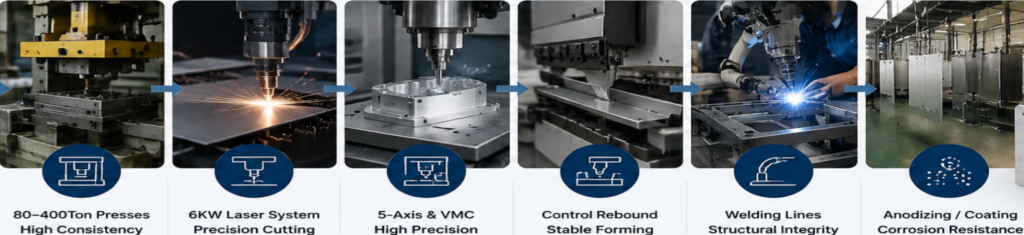
To meet the needs of OEM customers from product development to mass production, we have established a complete internal manufacturing system, covering:
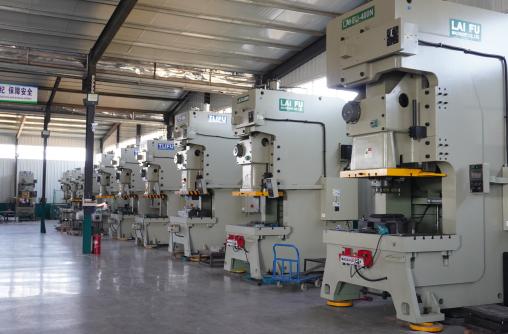
Stamping fabrication
CNC Machining
Bending and forming
Welding
Surface treatment
Product testing
By integrating internal production processes, customers no longer need to coordinate with multiple suppliers, reducing communication costs and enhancing the stability of project delivery.
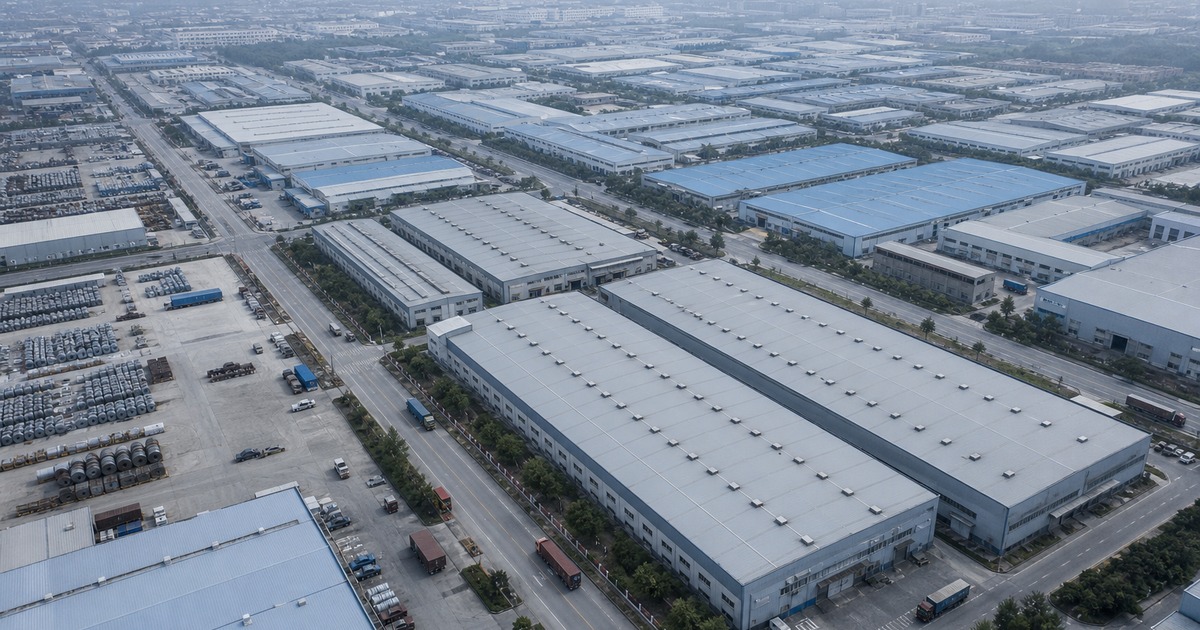
The current factory configuration includes 6KW laser cutting equipment, 38 sets of 80-400 ton stamping equipment, and five-axis machining centers, among other production facilities.
Stabilize production capacity to ensure long-term orders
The stable production capacity enables us to meet a range of demands, from sample development and small-scale verification to long-term bulk orders.
Choose Long-Term Manufacturing Reliability, Not Just a Lower Price
Long-term cooperation can enable suppliers to have a deeper understanding of the customers’ product requirements, enhance communication efficiency, and continuously optimize the production process.
For OEM enterprises, choosing the right aluminum fabrication supplier is not merely about finding a parts manufacturer but about identifying a manufacturing partner that can provide long-term support for product development.
Looking for a Reliable Aluminum Fabrication Supplier?
✅ Engineering review · Manufacturing feasibility · Stable long-term delivery
📩 tylor@xinjiuxinji.com — Reply in 3 working hours with free design optimization.
Submit your drawings for professional aluminum fabrication feasibility analysis — Control production risks from the start
Metal Fabrication Cost: The Difference Between Low Price and Low Total Cost