Metal Fabrication Processes: A Four-Question Framework
First, the right fabrication route is not the best machine. Instead, it is the intersection of four answers you already have: how many, what shape, how precise, and what budget. Ask those four questions in order, and the metal fabrication processes that survive narrow themselves. This guide walks the four questions against the core routes: laser cutting, press-brake bending, welding, CNC machining, stamping, deep drawing. So it closes with three worked programs you can check your own part against.
Question 1: How Many?
Quantity decides whether fixed costs exist at all. Below roughly a hundred pieces, only the no-tooling routes make sense — laser, CNC, weld. So the conversation is about time, not payback. Between a few hundred and ten thousand, the hybrid zone opens. There, the part may still run tool-free, or a single die may begin to pay back. Above ten thousand, the high-NRE routes take over, because their running cost undercuts everything else at that scale. In the end, the first filter is blunt: state the annual quantity, and every route that cannot amortize at that number drops out.
Question 2: What Shape?
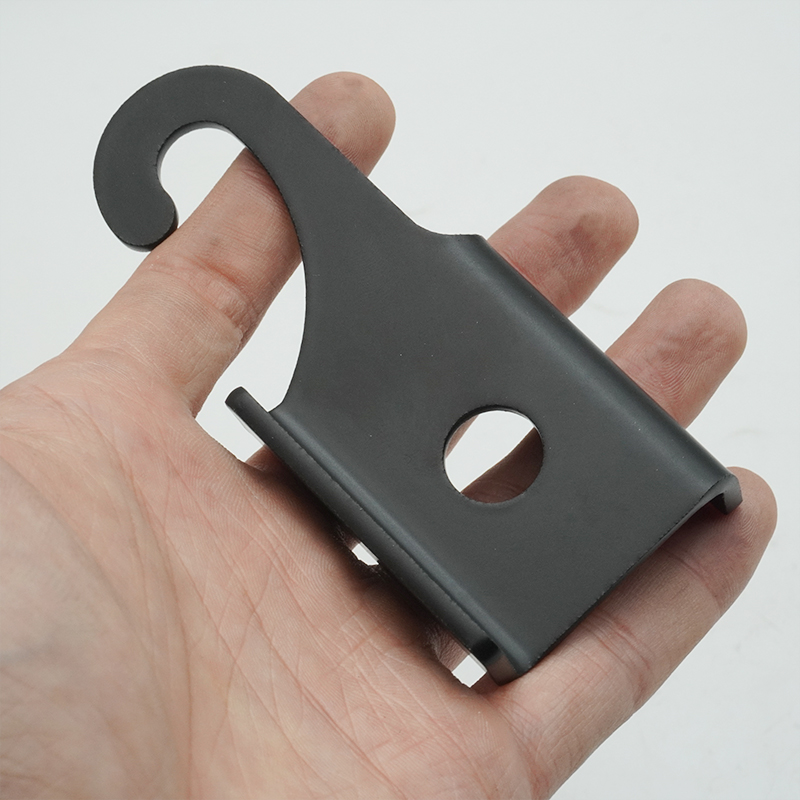
Second, geometry eliminates what quantity cannot. For instance, flat or gently bent parts up to about 12 mm sit inside laser-plus-bend territory. In contrast, deep walls — cups, housings, enclosures beyond bend formability — force drawing. Also, features that need machined flatness, precise hole patterns, or threads pull CNC into the route. Likewise, high-count parts with simple, flat geometry form the die-friendly class, where stamping’s running cost eventually wins. After all, check the drawing against that list before you ask for a recommendation. A hidden deep flange or a buried weld surprises routes that looked simple.
Question 3: How Precise?
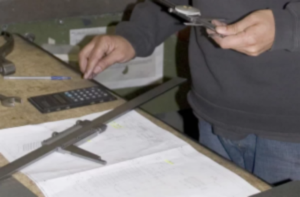
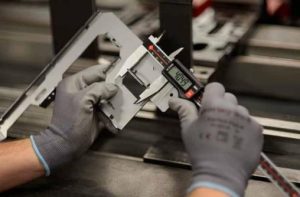
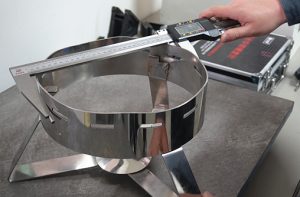
Third, tolerance is really a process choice wearing a quality requirement’s label. Each of these metal fabrication processes has a typical reach. In practice, laser work holds around ±0.2 mm general; bending holds ±0.5 mm on flanges and ±1° on angle; CNC runs ±0.1 mm down to ±0.02 mm with CMM verification; dies hold ±0.05–0.2 mm depending on complexity. So your drawing should state a general class and mark only the functional and critical dimensions — exactly as our tolerance and DFM guide lays out. A drawing that demands CNC precision everywhere tells every route to price itself at the top of its band.
Question 4: What Budget — in Which Model?
Finally, price the route in the model it actually uses. Also, no-tooling routes price per part or per hour with no NRE; die routes price NRE plus a low running number. So the honest comparison is the break-even. Specifically, that is the annual count where the die route’s total drops below the no-tooling total. Ask for that count in writing. Our cost guide explains the three pricing models the number sits in. The MOQ & lead time guide carries the calendar each route brings.
The Metal Fabrication Processes Table
In other words, the table below reads differently once the four questions are in mind — each column is a filter.
Most Parts Are a Route, Not a Process
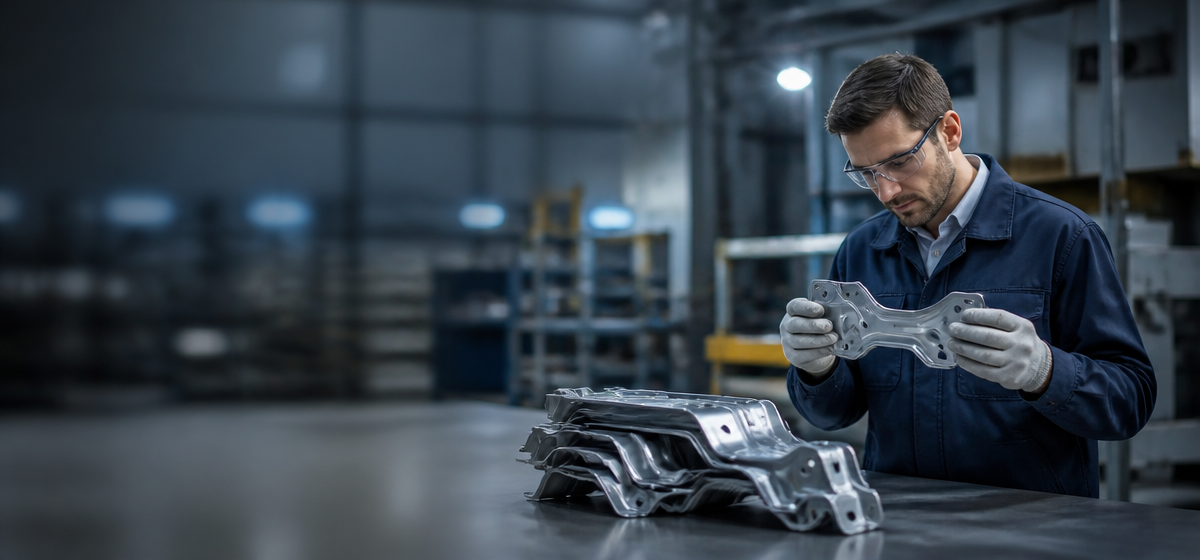
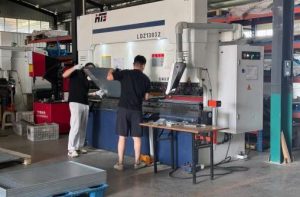
The fourth question ends where the real answer begins. Across all these metal fabrication processes, production parts almost always sequence operations. Think laser-blank, bend, weld, then a few machined features. Or stamped blanks joined into a welded assembly. Or a drawn shell with a machined flange. So name the route on the quote — operations in order, cost driver named. Then two suppliers’ quotes compare line by line.
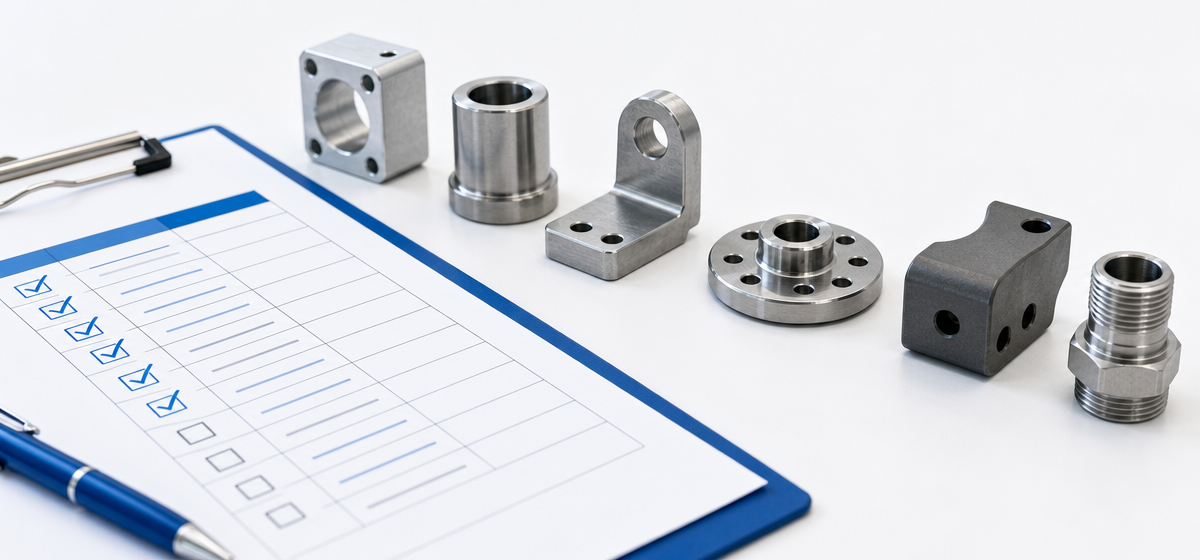
The RFQ checklist carries the field where the route belongs. The material selection guide covers the input that shifts the whole table. Stainless bends differently from mild steel; aluminum springback changes the bend math.
Three Worked Programs
- Program A — 300 machined flanges, 6 mm 304, precise bolt circle. Question 2 pulls CNC into the route, because the bolt circle will not hold on cut-and-bend alone. Question 1 keeps it tool-free. The route: laser-blank plus machined face and holes, with critical dimensions checked by CMM at first article.
- Program B — 15,000 clips a year, 1 mm spring steel. Question 1 drops the tool-free routes off the economic table. The flat, simple geometry passes the die-friendliness test. The answer: a progressive die with an 8–12 week tooling calendar (see the MOQ & lead time guide). In fact, its running cost sits far below any per-part route.
- Program C — 60 drawn housings with deep walls, 1.5 mm steel. Question 2 rules out bending outright, because the wall depth exceeds bend formability. Deep drawing is the only forming route, with a machined flange finishing the interface. Quantity 60 sits below the die’s sweet spot. So the honest answer includes a bent-and-welded pilot, and you re-evaluate the drawing as volume grows.
In every case, each program solved through the questions in order. The route that “sounds best” for a part is rarely the one the four answers select.
Frequently Asked Questions
Which route fits 500 brackets that must mate with a cast part?
After all, the mate interface decides. If the casting’s interface tolerance runs loose, laser-cut, bent, and spot-machined brackets hold it at the lowest NRE. If it runs tight, the machined share grows and each bracket costs more. Ask for the route in both cases, with the break-even stated.
Can one drawing take both laser and stamping routes?
Usually yes at the geometry level — that is exactly why the break-even question exists. The drawing must state the tolerance tier and the quantity, because the same part priced at 500 and 50,000 is a different procurement decision.
When should welding join the route — and when should it stay out?
Generally, add welding when the part assembles from formed panels: frames, enclosures, chassis. Avoid it when a single formed piece reaches the same shape, because each weld adds distortion and an inspection line to the cost.
Does material change the metal fabrication processes that fit?
Yes, in two ways. In particular, formability shifts the bend math — aluminum’s springback and stainless’s radius needs (see the material guide). Thickness windows differ per route, because each process has a practical band. The same drawing in 3 mm 304 and 3 mm A36 can price and schedule differently on the same route.
How do I verify a supplier’s process recommendation?
Ask three things in writing: the route in operation order, the break-even against the alternative, and the tolerance tier on the critical dimensions. A recommendation you can check is an engineering answer. One you cannot is a sales answer.
What if my quantity grows after the first order?
Plan the first order for the no-tooling route, and put the growth trigger in the program. Then, at the agreed annual count, re-run the process decision with the updated number. That sequence — tool-free pilot, die decision at the trigger — is the standard pattern for parts whose volume is still a forecast.
The same decision logic applies when geometry points a part toward casting instead of sheet routes — our metal casting service page covers how those projects are reviewed.
Send the Four Answers — Get the Route Back in Writing
✅ Quantity · Shape · Tolerance · Budget → named route, cost driver, and break-even stated
📩 tylor@xinjiuxinji.com
We respond to inquiries within 2 hours.
Send your drawing with quantity, tolerance intent and target budget — the reply names the route, the cost driver, and where the die pays back
Metal Material Selection: Steel, Stainless, Aluminum