Metal Material Selection: Steel, Stainless, Aluminum
Every fabrication quote hides four assumptions, and the material is the first one that fails silently: a grade substituted at the mill, a temper that changes the bend math, a “stainless” that is not the stainless you specified. So metal material selection deserves its own discipline, and it comes before any process conversation. This guide starts from the driver — what the part must survive — and works back to the grade. Then it compares the three families row by row, and it closes with the paper trail that keeps the selected grade honest.
Metal Material Selection: Drivers First, Grades Second
The practical error starts in the catalog — “should I use 304 or 316?” — instead of in the environment. So metal material selection should start from the two drivers that matter most: what the part must survive (corrosion, load, wear, temperature, hygiene) and what it must not cost (the budget the material line can absorb). The mapping below is the standard answer set.
For a broader decision process that also considers forming, finishing, corrosion exposure, and production risk, use this metal material selection guide.
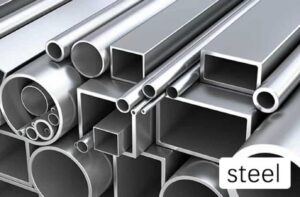
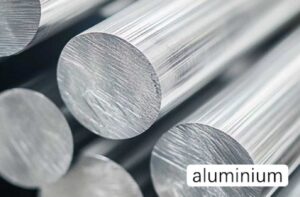
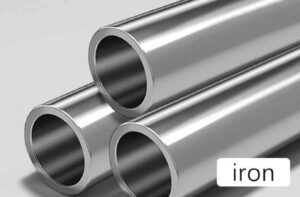
The Three Families, Row by Row
In practice, the metal material selection table below reads the families across the rows that decide a quote.
Read across a row, not down a column, because each row is one decision. The cost row prices the material. The bending row prices the tooling and the bend schedule. The finish row prices the coating line. Finally, the corrosion row prices the part’s life in its actual environment.
What the Material Does to the Bend Schedule
Buyers underestimate the forming difference that metal material selection creates, because it shows up as schedule, not price. Mild steel’s springback runs small and predictable, so the bend table transfers between batches. Stainless resists the bend more and springs back further — the same 90° callout needs a different die angle and more first-off checking. By contrast, aluminum’s springback is the largest of the three, and it moves with temper. In short, 5052-H32 behaves differently from 5052-O. So the shop must establish the K-factor per batch for tight flange tolerances. The numbers live in our tolerance and DFM guide — check the material column before you approve a tight bend spec.
Matching the Finish to the Family
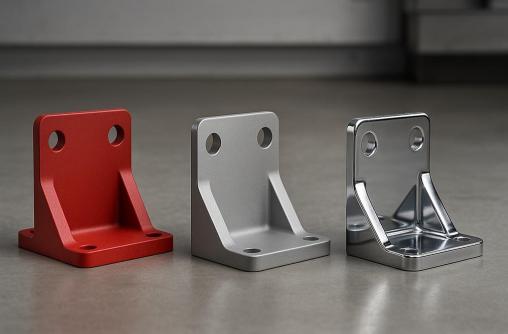
A finish specified against the wrong family becomes a quote error. Mild steel forms the coated family: powder coat, paint, or hot-dip zinc. Specify the system and the salt-spray hours — 480 h zinc for harsh outdoor service is a common reference. Stainless forms the bare family: passivation for corrosion, polishing for appearance. In that case, if someone quotes “painted stainless,” ask which problem they think the paint solves. Aluminum splits. Anodize gives a hard, integral, color-stable surface. Powder coat fits where color range matters more than wear. Bare mill finish serves structural or thermal roles. The environment belongs in the finish line — “indoor painted” and “coastal maintenance-free” are different purchase orders.
Keeping the Grade Honest: the Paper Trail
In the end, the selection is only as real as the record. Grade substitution is the classic failure: 201 in place of 304, 5052 in place of 6061. Two controls catch it. First, the EN 10204 type 3.1 material certificate matches chemistry and mechanicals to the heat number. Also, PMI gives a non-destructive check of the alloy on the actual part. Require the 3.1 for every critical batch, and PMI on the first lot of any program where a wrong alloy fails the application. A certified shop keeps both under its traceability obligations — our ISO 9001 guide maps those obligations to clauses 8.5.2 and 8.6, and the FAI guide shows where the material check sits in the first article report.
Frequently Asked Questions
What actually happens when 201 stainless replaces 304?
201 costs less, but it loses the chromium-to-manganese balance that gives 304 its corrosion margin. So it corrodes noticeably faster in humid or chloride environments, and it can stain within months where 304 stays clean. On an outdoor part, the substitution saves money on the material line. Then it spends that money on replacement — exactly what PMI exists to catch.
Can one part weld aluminum to steel?
Not in a normal fabrication route. The dissimilar joint needs a transition insert — brazing or a mechanical clamp — plus a different design. Most “mixed” parts are actually assemblies: welded steel sub-frames and aluminum sub-frames, with the two joining mechanically. If your drawing mixes the families, ask the supplier how the interface works.
What does a temper like 5052-H32 mean?
Specifically, the letter names the condition: H means strain-hardened, stronger than the O “soft” condition. The digits describe the degree of work hardening. Temper changes strength and springback together, so it belongs in the material line of the spec — 5052-O bends easier, 5052-H32 holds shape better.
For painted outdoor parts, which is better value — aluminum or steel?
Usually mild steel: the material costs far less, and the paint system does the corrosion work in both cases. Aluminum wins when weight, conductivity, or a maintenance-free anodized finish drives the decision. It loses when the part gets painted anyway.
If aluminum is where your decision lands, the supplier shortlist criteria are covered in aluminum fabrication supplier selection: key factors beyond price.
Is 316 really necessary, or does 304 usually cover it?
304 covers most atmospheric and indoor applications, including general outdoor use. 316 earns its premium in chloride-rich settings — coastal exposure, de-icing salts, chemical processing, food-washdown areas. So specify 316 where the environment carries chlorides at concentration, and 304 everywhere else.
Does cold-rolled versus hot-rolled matter for fabrication?
Yes, in surface and thickness. Cold-rolled sheet (CR) carries a smoother surface, tighter thickness tolerance, and better paintability. It is the default for bent and painted parts. Hot-rolled plate serves heavier sections and structural work, typically in mill finish. So for sheet fabrication under about 6 mm, specify CR unless the application says otherwise.
State the Environment — Get the Grade Back in Writing
✅ Grade recommendation by application · Bend behavior and finish route attached · EN 10204 3.1 certificate plan
📩 tylor@xinjiuxinji.com
We respond to inquiries within 2 hours.
Send your drawing with the application environment and top two drivers — the reply names the grade, its bend behavior, finish route, and certificate plan before the price locks
First Article Inspection Explained for Metal Buyers