Metal Fabrication Partner for a Startup: A Practical Guide
The short answer
Starting a hardware product means the metal parts arrive before the brand does. So the prototype is in your hand, the first order is on the calendar, and the choice of a metal fabrication partner for a startup follows the product for its whole life. Most startups do not fail at the design. They fail at the hand-off: a sample that worked, a first production run that did not, and a tooling invoice nobody budgeted for. This guide walks the route a metal fabrication partner for a startup should walk with you — prototype to first mass order, stage by stage — and names the mistake at each gate.
The Five Stages, and What Each One Proves
First, the route has five gates, and each gate proves a different thing. So do not let a supplier compress them for speed.
| Stage | What it proves | The document that closes it |
|---|---|---|
| — | — | — |
| 1. Prototype | The design works at all | As-prototype photos and dimensions |
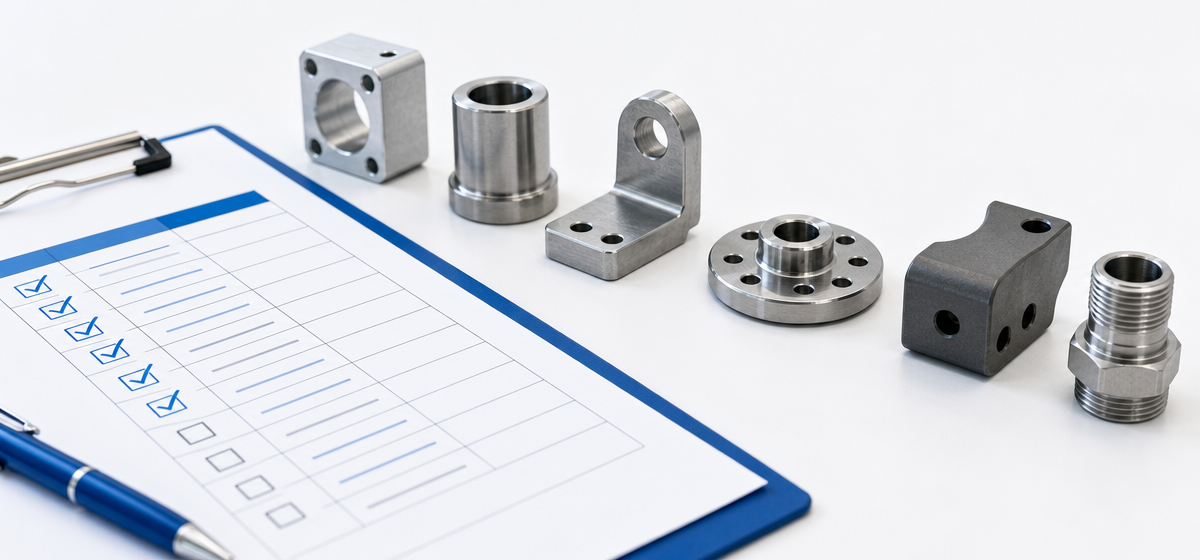
| 2. T1 / mockup sample | The die and the process work | 3–10 T1 parts plus a measurement report |
| 3. First article inspection (FAI) | The production process holds the drawing | The FAI record, dimension by dimension |
| 4. Pilot batch | The process holds across a real run | Batch inspection records |
| 5. Mass production | The economics work | The unit price against the agreed scope |
Next, the startup error lives between stages two and three. So the sample comes off by hand, from the careful people, on the shop’s best day. By contrast, the production run comes off the line, at speed, on a Tuesday. The FAI exists to close that gap, and it is the cheapest insurance in the whole program.
Stage One: Prototype Without the Tooling Trap
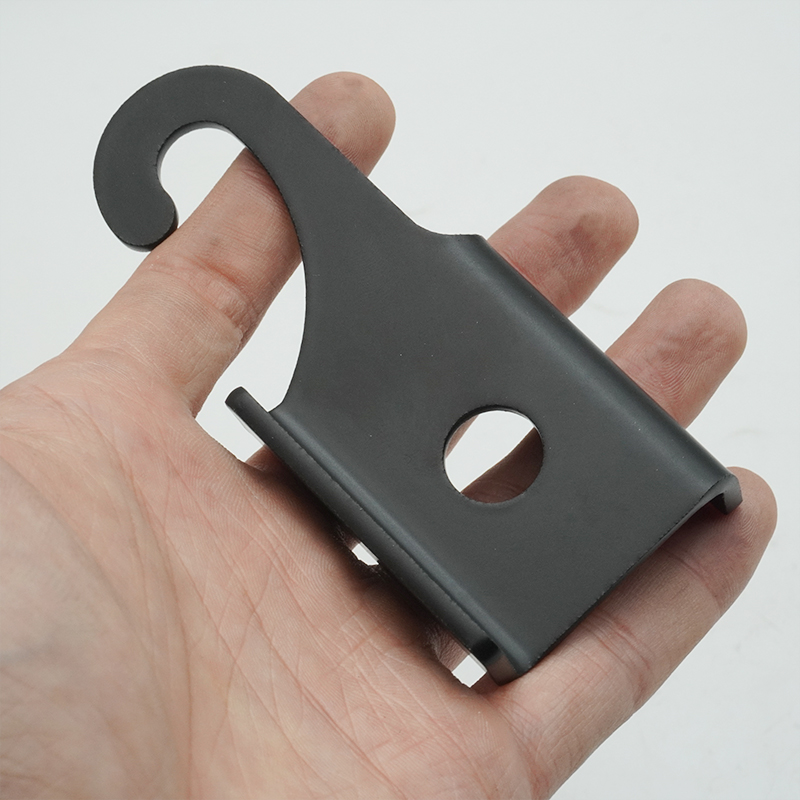
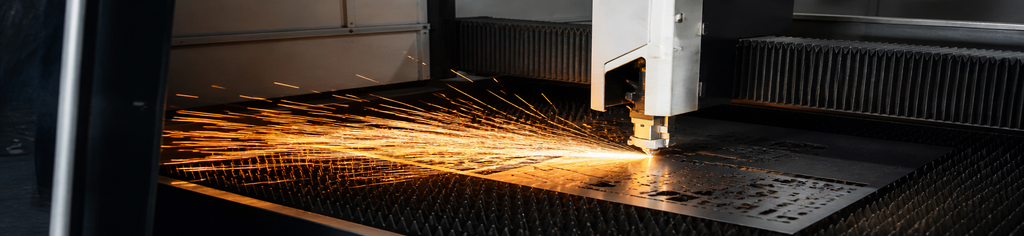
First, prototype in the process that costs nothing to set up. So laser-cut and bent parts run from the drawing with no die, no setup fee, and a short calendar. Then, compare the prototype against the design intent — the fit, the stiffness, the finish — before any metal goes into a die.
Also, the prototype stage is a supplier interview. So the quality of the DFM feedback you get before production tells you more than the quote does. A supplier who flags a bend radius or a hole edge distance now saves a redesign later. In other words, the best prototype reply is the one that changes your drawing, for the better. Then, keep the bigger picture in view: the metal fabrication partner for a startup should prove each of the five gates before you commit any tooling budget.
Stage Two: The Sample That Proves the Die
First, when the design locks, the next sample must come off the production die — the same tool, the same sheet, the same press the order will run on. So request 3 to 10 T1 parts with a measurement report, and hold the approval to the drawing, not to the look.
Then, decide the sample approval rule in writing. So which dimensions gate approval, who measures, and what happens when a dimension drifts. By contrast, an unwritten approval rule is how a “close enough” sample becomes a 5,000-piece run of parts that do not fit. As a result, the sample stage ends with a signed record, and the production stage inherits it.
Stage Three: The First Article That Proves the Process
First, the first article inspection measures the production process against every requirement on the drawing. So it is the dimension-by-dimension proof that the line can hold the part, run after run. Then, it closes before the mass order, not after.
Also, the FAI record is yours to keep. So it becomes the baseline for every later batch, and the document your customers will ask for when they qualify you. In other words, a startup that keeps the FAI paper trail ages its credibility faster.
Stage Four: Pilot Batch, Then Mass Production
First, the pilot batch runs at production speed and production volume, and it catches what the samples could not. So check the batch records, the packaging, and the delivery against the plan. Then, scale to the mass order with the unit price tied to the agreed scope — material grade, tolerance stack, finish, and tooling ownership all written down.
Next, the tooling economics decide the run. So laser cutting keeps the low-volume months cheap, and the stamping die earns its place as the volume grows. The crossover is arithmetic, and our laser cutting vs stamping guide walks it. Also, the metal fabrication MOQ guide puts realistic numbers on both calendars — quantity and time — so the first order matches the funding round, not the other way around.
The Money Questions Every Startup Should Ask First
First, the commercial terms are part of the engineering. So write them into the first conversation with your metal fabrication partner for a startup.
- Payment structure. So the standard import structure is a deposit against order confirmation and the balance before shipment — the payment terms guide walks T/T, L/C and the tooling milestone options without the sales gloss.
- Tooling ownership. So the die is an asset, and the contract should say whose it is, and what happens if the program moves.
- Duty math. So for US-bound products, the 2026 Section 232 structure taxes the full value of the finished part — the tariff guide runs the landed-cost math before the price does the arithmetic for you.
- Quote comparability. So two quotes for the “same” part hide different assumptions — the nine-line quote checklist normalizes them.
How to Choose a Metal Fabrication Partner for a Startup
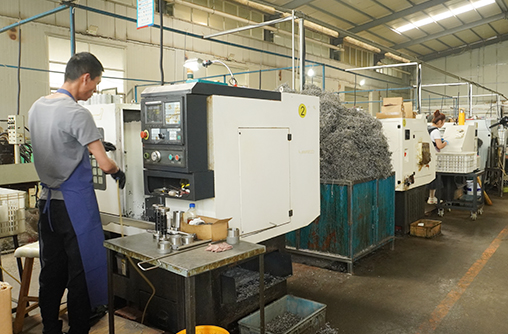
First, a metal fabrication partner for a startup must serve stage one and stage five at the same time. So the prototype runs on the laser line today, and the mass order will run on the press line in a year. Here is the floor, from our equipment list:
- 2 fiber laser cutting machines at 6 kW — the prototype route, no tooling required
- 40 stamping presses, 80 to 400 tons — the mass-production route, when the volume earns a die
- 3 CNC milling and turning machines — the machined features the stamping cannot serve
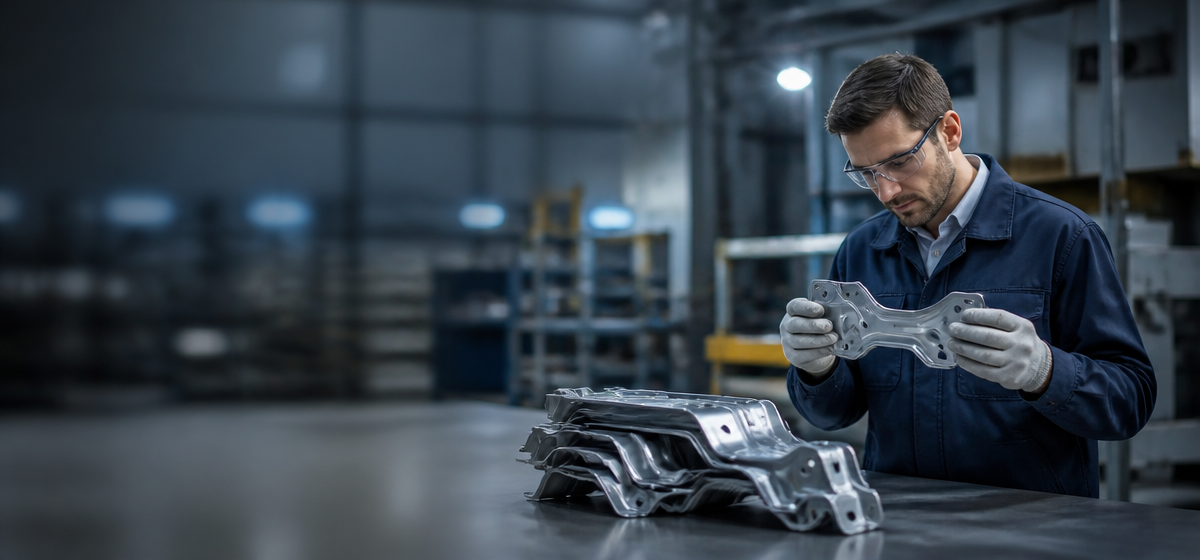
- 2 coordinate measuring machines — the T1 and FAI verification, in-house
- 19 engineers in a 120-person plant that has made metal parts since 1999 — the DFM review that happens before you spend the tooling money
Also, the samples ship within 72 hours, and the inquiry gets an answer within 2 hours on working days. In other words, the calendar you plan against is a working calendar, not a best-case one.
FAQ
How do I choose the right metal fabrication partner for a startup?
First, check whether the plant serves stage one and stage five at the same time, because a metal fabrication partner for a startup must take you from the laser prototype to the press line without a hand-off. So look for the no-tooling laser route, the T1 discipline, the in-house CMM and a DFM review before die money moves. Then, ask for the recorded process parameters and the FAI record on a current program. In other words, the right partner proves each gate with documents, not with promises.
What is the cheapest way to start production for a small hardware company?
First, start on the laser-cut route. So it carries no die cost, and it serves the early volumes at a unit price the budget can hold. Then, move the high-count parts to stamping as the volume crosses the break-even point. As a result, the tooling spend follows the revenue, instead of leading it.
Do I need a first article inspection for a small first order?
First, yes — and the small order is exactly when it matters. So the FAI record proves the process holds the drawing, and it becomes the baseline every later batch is checked against. Then, the record also serves your customers, who will ask for it when they qualify your parts. Also, it is one document, produced once, that pays for itself at the first customer audit.
How fast can a first order really ship?
First, the honest answer splits into two clocks. So the sample clock runs about 72 hours from approval to shipment at our plant, and the production clock depends on quantity, tooling state and the finishing route. Then, the 15-day prototype-to-production claim gets tested against your actual part. In other words, plan the calendar from the part, not from the slogan.
What is the single most expensive startup mistake in metal parts?
First, it is locking the design after the die is cut. So a geometry change after tooling costs die modification time, or a new die, and the schedule takes the hit. Then, the prevention is cheap: the DFM review before tooling, where the supplier flags the bend, the edge and the tolerance that will hurt later. As a result, the drawing that goes into the die is the drawing the product will ship with.
Sources and References
- Our equipment list — the laser, press, CNC and CMM inventory cited above
- T1, mockup and production samples guide — the sample types, expanded
- First article inspection explained — what the FAI record contains
- Metal fabrication RFQ: 12 fields — the complete first-request package
The First Conversation to Have
First, send the design file — even the unfinished one — with the target quantity and the target price. So the engineering review happens before the budget locks, and the DFM flags land in week one. In other words, the startup that reviews early ships the design, and the startup that reviews late ships the lesson. Then, remember who you are qualifying: the metal fabrication partner for a startup you pick in week one is the one that ships your first mass order in month twelve. Then, read the MOQ and lead time guide and the shipping and delivery page to plan the first order end to end. Finally, request a quote — the inquiry gets an answer within 2 hours on working days, and samples ship within 72 hours.
Review the Design Before the Die Money Moves
✅ Direct-plant quote · 2-hour response · 72-hour sample path · Full equipment list included
📩 tylor@xinjiuxinji.com
We respond to inquiries within 2 hours.
Send the design file with target quantity and price — the reply comes back with the process route, the tooling crossover math and the first-order calendar.
Custom Metal & Stainless Steel Fabrication in China