Custom Metal Stamping Services: How Tooling Decisions Affect Your Project
Custom metal stamping services exist because standard parts rarely fit a real design. Many production-grade custom parts need dedicated tooling. Whether you need tooling, and which type, depends on part structure, quantity, and tolerance requirements. Tooling decisions — die type, cost, and ownership — shape quality, lead time, and total price. This guide explains what makes stamping services custom, how die types compare, and what to settle before production.
What Do Custom Metal Stamping Services Actually Involve?
Custom metal stamping services differ from standard stamping in every layer: the part, the tooling, and the process.
| Dimension | Standard stamping | Custom stamping services |
|---|---|---|
| Drawing | Existing dies or standard parts | Designed around your drawing |
| Tooling | Shared, existing dies | Custom dies, type decided by need |
| Process | Fixed route | Planned for the part structure |
| Inspection | Standard checks | Depth set by your tolerances |
| Cost | Mostly unit price | Tooling plus unit price plus lifetime demand |
A project only counts as custom when the tooling or the process is built for your part. If an existing die already fits, it is standard work at a better price. Ask the supplier which applies to your drawing before comparing quotes. The tooling route is proposed during engineering review,as our engineering review guide explains.
Die Types in Custom Metal Stamping Services
| Die type | Better suited for | Cost pattern | Key characteristics |
|---|---|---|---|
| Single-stage die | Simple parts, lower volumes | Relatively low initial cost | Multiple press hits for different operations |
| Progressive die | High volumes, multiple operations | Higher upfront cost | Automatic continuous production, high per-part efficiency |
| Compound die | Parts needing several operations in one stroke | Depends on structure | Better consistency between hole positions and contour |
| Prototype tooling | Samples and process validation | Usually lower than production tooling | For validation; does not necessarily represent final production capability |
Die type selection depends on quantity, tolerance, and part structure. The most expensive die is not always the right one.
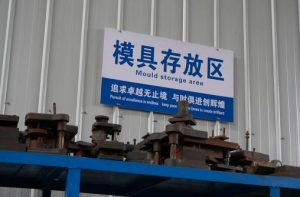
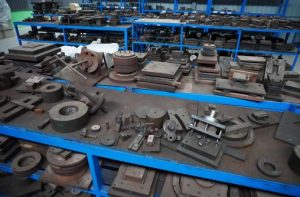
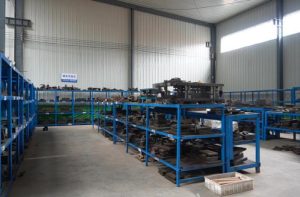
Tooling Cost and Ownership
Two decisions set the tooling budget: cost structure and ownership.
What Is the Custom Tooling Cost Structure?
A custom die is a one-time cost, but its real price includes design, material, machining, trial, and maintenance. A simple trial die may cost a fraction of a progressive die. The cost per part changes with order quantity and lifetime demand. Ask for the tooling cost as a separate quote line, not hidden in the unit price. Don’t judge tooling cost by the first order alone. The first order may be small. Stable repeat purchasing over the product life spreads the die cost across future orders. When evaluating tooling, consider the current order, estimated annual demand, and lifetime demand together.
How Is Die Life Measured and Maintained?
Die life is measured in stamping strokes. Trial tooling life may range from a limited number of samples to a few thousand strokes. Production dies with proper material selection, heat treatment, and maintenance can reach hundreds of thousands of strokes or more. Actual life depends on die material, part material, sheet thickness, stamping speed, and maintenance. Worn dies shift tolerances, so maintenance and replacement parts matter. Plan die maintenance into the project, not after quality issues appear.
Who Owns the Custom Die?
Settle die ownership in the contract before production. If the customer funds the die, clarify whether they own the die body, design files, and transfer rights. If the supplier funds it, the die usually stays with the supplier. Ownership also affects future quotes and switching suppliers. Also clarify the die storage location and who is responsible for routine maintenance. Also state repair costs and storage duration after production ends. Owning the die does not automatically make the supplier responsible for all future maintenance. Our supplier capability review covers how to verify tooling management. Tooling economics also depend on lifetime demand, as our small-batch cost guide explains.
How Does Your Engineering Team Evaluate Custom Tooling?
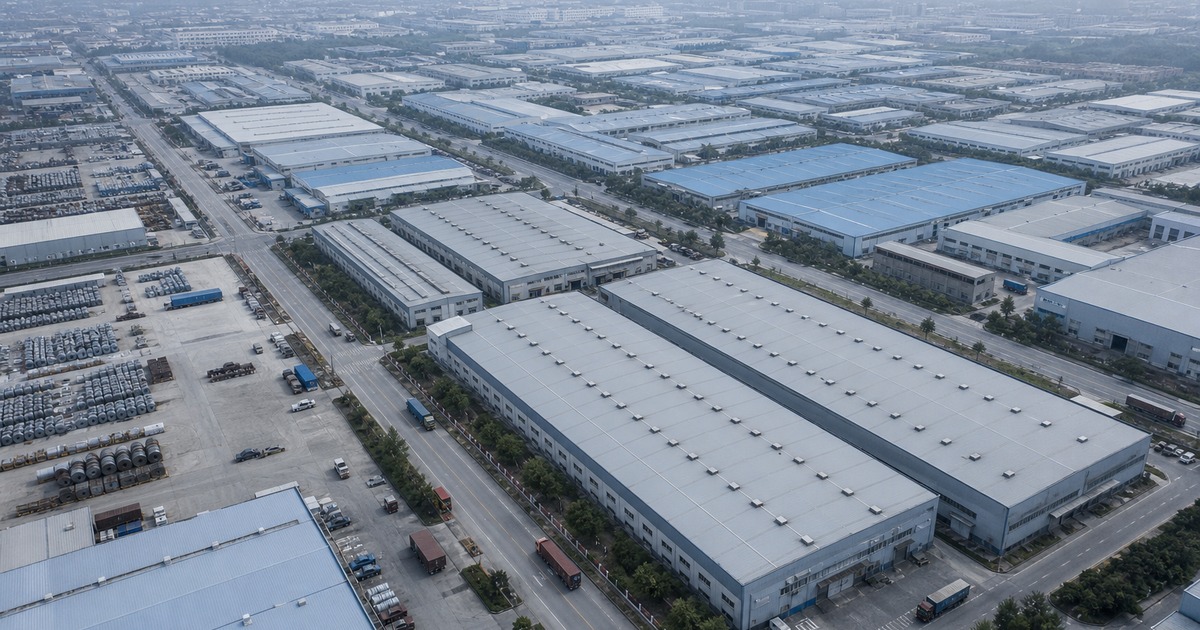
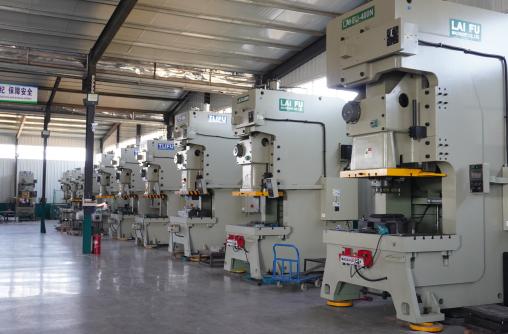
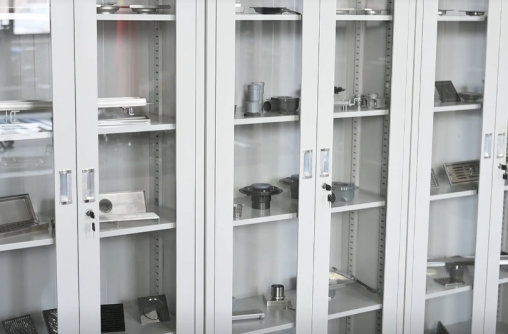 We have been manufacturing metal parts since 1999. Our plant is in Nanpi, Hebei, and covers 9,000 m².
Custom metal stamping services start with an engineering review, not equipment capability or unit price. When a drawing arrives, engineers first assess part structure, material, critical tolerances, and estimated quantity. They then compare suitable process and tooling routes.
For projects needing further validation, we evaluate the cost and process differences between trial tooling and production dies. The tooling proposal covers the core items to confirm. It includes die type, estimated investment, applicable production needs, and ownership and management arrangements.
The final plan is confirmed against part structure, order quantity, and lifetime demand. Settling these questions early fixes the cost structure before production. It also reduces uncertainty from later die changes, process adjustments, or capacity shifts.
Get a Tooling Review for Your Custom Stamping Project
✅ Free tooling evaluation · Die type recommendation · 3h response
📩 tylor@xinjiuxinji.com — First response within 3 working hours · Free samples included
Frequently Asked Questions
What Do Custom Metal Stamping Services Actually Involve?
Custom metal stamping services differ from standard stamping in every layer: the part, the tooling, and the process. Dimension Standard stamping Custom stamping services Drawing Existing dies or standard parts Designed around your drawing Tooling Shared, existing dies Custom dies, type decided by need Process Fixed route Planned for the part structure Inspection Standard checks Depth set by your tolerances Cost Mostly unit price Tooling plus unit price plus lifetime demand
What Is the Custom Tooling Cost Structure?
A custom die is a one-time cost, but its real price includes design, material, machining, trial, and maintenance. A simple trial die may cost a fraction of a progressive die. The cost per part changes with order quantity and lifetime demand. Ask for the tooling cost as a separate quote line, not hidden in the unit price. Don’t judge tooling cost by the first order alone. The first order may be small. Stable repeat purchasing over the product life spreads the die cost across future orders. When evaluating tooling, consider the current order, estimated annual demand, and lifetime demand together.
How Is Die Life Measured and Maintained?
Die life is measured in stamping strokes. Trial tooling life may range from a limited number of samples to a few thousand strokes. Production dies with proper material selection, heat treatment, and maintenance can reach hundreds of thousands of strokes or more. Actual life depends on die material, part material, sheet thickness, stamping speed, and maintenance. Worn dies shift tolerances, so maintenance and replacement parts matter. Plan die maintenance into the project, not after quality issues appear.
Who Owns the Custom Die?
Settle die ownership in the contract before production. If the customer funds the die, clarify whether they own the die body, design files, and transfer rights. If the supplier funds it, the die usually stays with the supplier. Ownership also affects future quotes and switching suppliers. Also clarify the die storage location and who is responsible for routine maintenance. Also state repair costs and storage duration after production ends. Owning the die does not automatically make the supplier responsible for all future maintenance. Our supplier capability review covers how to verify tooling management. Tooling economics also depend on lifetime demand, as our small-batch cost guide explains.
How Does Your Engineering Team Evaluate Custom Tooling?
Custom metal stamping services start with an engineering review, not equipment capability or unit price. When a drawing arrives, engineers first assess part structure, material, critical tolerances, and estimated quantity. They then compare suitable process and tooling routes. For projects needing further validation, we evaluate the cost and process differences between trial tooling and production dies. The tooling proposal covers the core items to confirm. It includes die type, estimated investment, applicable production needs, and ownership and management arrangements.
Metal Stamping Parts Manufacturer: How Batch Quality Is Controlled