Sheet Metal Prototype Fabrication: How a Prototype Tests Your Supplier
Prototyping isn’t just about getting a sample—it is a supplier interview. The prototype reveals most of what you need to know about a fabricator: the quality of the DFM feedback before the quote, the response speed, the details on the sample itself, and the inspection report that travels with it. This sheet metal prototype fabrication guide shows what a first sample reveals about a supplier, and how to read the signals.
Many factories can make a prototype; few treat it as an exam. A supplier worth partnering with uses the first round of prototyping to prove its engineering ability — not to “quote first and figure it out later.” Sheet metal prototype fabrication is the cheapest way to evaluate a supplier before you commit to volume.
What Are the Signals in the First Sample?
Four signals in the first round separate engineering partners from order-takers:
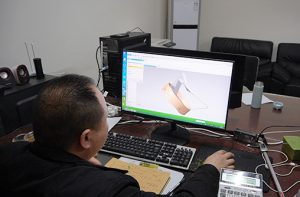
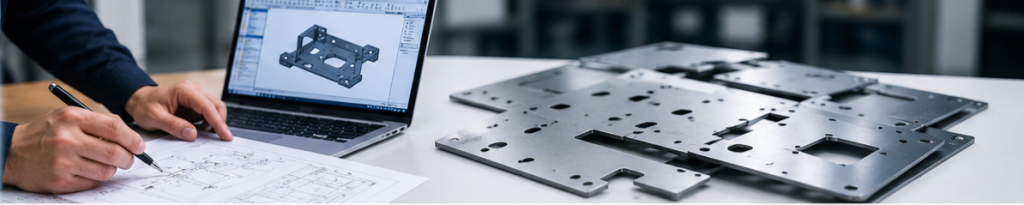
- DFM feedback before the quote. A real fabricator reviews the drawing and flags problems before pricing: an unachievable tolerance, a bending collision, a material suggestion that saves cost. This is engineering judgment — and it is the same engineering collaboration you can expect through the whole project. A template reply with no questions is a warning sign.
- Response and questions. Do they reply within hours, and do they ask the right questions — material batch, surface requirement, assembly context? A supplier who asks nothing will discover the problems on your assembly line.
- Details on the sample. Burrs, edge quality, bend consistency, surface finish: the small details show process discipline. A sample with clean edges and consistent bends comes from a controlled process.
- The FAI report. Does the sample ship with a first-article inspection report covering the critical dimensions? Is the data readable and complete? Evidence is the difference between a promise and a process.
What Are the Five Checks on the Sample?
When the sample arrives, run five checks before you approve anything:
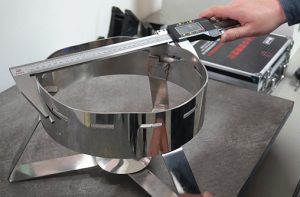 Against the drawing. Check material, thickness, and hole pattern item by item. A sample that matches the drawing is the baseline; deviations need explanations, not excuses.
- Critical dimensions. Measure hole positions and bend angles with a caliper or height gauge. How the numbers behave tells you whether the process holds — the sheet metal tolerances reference explains what each feature can realistically hold.
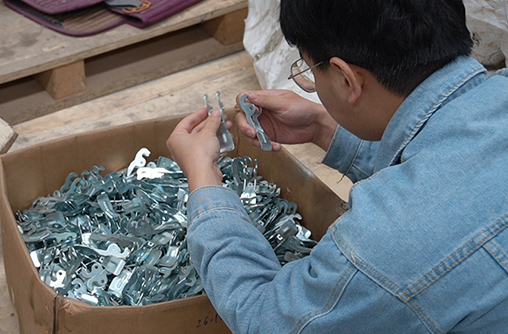
- Edges and surface. Burrs, scratches, and coating defects that survive the prototype stage will not disappear in production.
- Assembly fit. Bolt the sample to its mating parts once. Fit problems found at the prototype stage are the cheapest problems you will ever find.
- The FAI report. Read it before you touch the caliper: which dimensions were measured, with what method, and do the numbers match what you measure?
From Sample to Production: Why a Good Prototype Is Not Enough
Sheet metal prototype fabrication ends at the sample; production stability starts there. A passing prototype does not guarantee stable production. One good sample can come from manual adjustment, extra rework, or special fixturing—production needs a repeatable process. When you evaluate the supplier behind the sample, ask three questions:
- Is the prototype process the same as the production process? A tooling-free sample route (laser, bending, joining) is right for prototypes; production may switch to stamping and tooling. Ask how the route changes — our sheet metal fabrication process guide maps how each stage behaves.
- What is the inspection system? FAI on the prototype, in-process checks during production, and final inspection on batches: a supplier with an inspection chain can prove its process—the standard behind it is covered in precision sheet metal fabrication.
- Is there batch traceability? Material certificates, inspection reports, and batch records travel with production parts. If the supplier cannot document the prototype, it will not document the volume.
Treat the prototype as the exam, and these questions as the marking scheme.
How Do You Answer a Prototype Drawing?
A prototype drawing is our exam paper — and our sheet metal prototype fabrication process is structured around how we want to be graded:
- Engineering. Nineteen engineers review every drawing before quoting and flag problems proactively — unachievable tolerances, bending risks, cost-saving material suggestions. That DFM feedback is exactly the signal this article tells you to look for.
- Prototyping. We answer inquiries within 3 working hours; prototype reviews are free; and we provide first-article inspection (FAI) reports per project requirements, with critical dimensions measured on CMM at high accuracy.
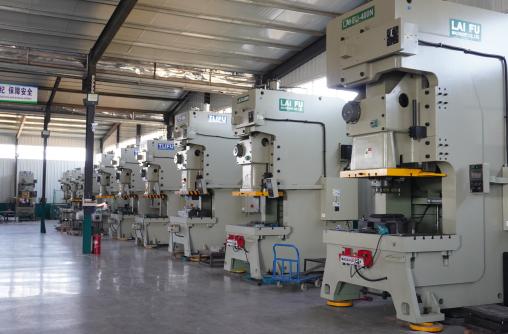
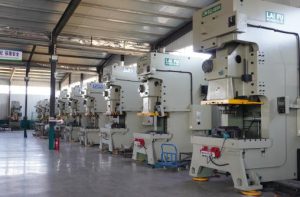
- Production. 38 stamping presses (80–400 tons), welding lines, and the finishing line take the approved part into volume — the same factory, the same process owners, no handoff to a new supplier.
Nineteen engineers, 70,000+ part numbers of manufacturing experience — since 1999, we have delivered custom metal parts to 3,000+ companies in 100+ countries. Send us your drawing — see how we answer the exam.
Frequently Asked Questions
What Are the Signals in the First Sample?
Many factories can make a prototype; few treat it as an exam. A supplier worth partnering with uses the first round of prototyping to prove its engineering ability — not to “quote first and figure it out later.” Sheet metal prototype fabrication is the cheapest way to evaluate a supplier before you commit to volume. Sheet Metal Prototype Fabrication: Signals in the First Sample Four signals in the first round separate engineering partners from order-takers:
What Are the Five Checks on the Sample?
When the sample arrives, run five checks before you approve anything: Against the drawing. Check material, thickness, and hole pattern item by item. A sample that matches the drawing is the baseline; deviations need explanations, not excuses. Critical dimensions. Measure hole positions and bend angles with a caliper or height gauge. How the numbers behave tells you whether the process holds — the sheet metal tolerances reference explains what each feature can realistically hold.
How Do You Answer a Prototype Drawing?
A prototype drawing is our exam paper — and our sheet metal prototype fabrication process is structured around how we want to be graded: Engineering. Nineteen engineers review every drawing before quoting and flag problems proactively — unachievable tolerances, bending risks, cost-saving material suggestions. That DFM feedback is exactly the signal this article tells you to look for. Prototyping. We answer inquiries within 3 working hours; prototype reviews are free; and we provide first-article inspection (FAI) reports per project requirements, with critical dimensions measured on CMM at high accuracy.
Evaluating a Supplier? Send Your Drawing for a Free Review
✅ 25+ years · 70,000+ parts · ISO 9001:2015
📩 tylor@xinjiuxinji.com — Reply in 3 working hours — free design optimization & quotation.
Free samples available for evaluation — Send your drawings now and verify before you commit
Custom Metal Stamping Parts Manufacturer: How to Evaluate One