Steel Fabrication Supplier: 7 Key Factors to Evaluate Before Choosing a Partner
You found a steel fabrication supplier with a quote 15% lower than others. You send the drawings. The sample comes back—dimensions out of tolerance, rough surface, uneven welds. Project delayed, customer complains, you start searching for another supplier.
This isn’t unusual. In the Steel Fabrication industry, choosing the right partner is often harder than choosing the right material. Price can be compared, equipment can be counted, but what really determines project success is often invisible—quality systems, engineering involvement, and batch-to-batch consistency.
We have identified and summarized the 7 key factors that require special attention when evaluating Steel Fabrication partners. We hope this provides useful references for your supplier selection process.
What Is the First Thing to Check in a Steel Fabrication Supplier?
This is the most basic screening threshold. A Steel Fabrication shop without ISO 9001 certification means its production processes lack standardized management—what works today may not work tomorrow.

What to look for:
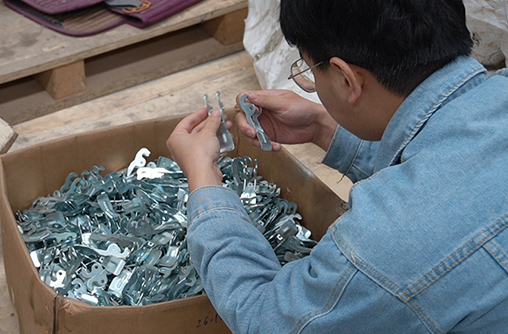
ISO 9001:2015 is the globally recognized quality management standard. It requires the shop to have full process control from raw material intake to finished product dispatch. Having the certificate is one thing; maintaining it is another. Beyond the certificate itself, confirm whether your steel fabrication supplier provides batch inspection reports with each shipment.
Our capability: ISO 9001:2015 certified, with independent inspection equipment and a dedicated quality control team. Each batch ships with a complete quality inspection report.
How Can I Tell Whether A Supplier Can Hold My Tolerances?
Can the tolerances shown on the drawings actually be implemented in the workshop? This is the dividing line between an ordinary factory and a professional one.
With tolerances of ±0.5mm and ±0.03mm, the production difficulty is completely different in the workshop. The former can be done with ordinary equipment, while the latter requires precision machinery, strict process control, and skilled operators.
 What to look for:
Directly ask the factory, “What tolerances can you guarantee stably?” If the other party is evasive or gives a very wide range, it indicates that they have not actually handled high-precision orders.
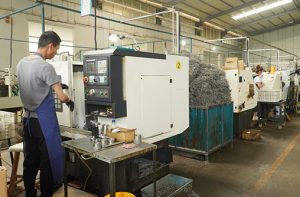
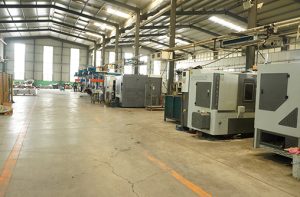
Our capability: For precision components, dimensional tolerance can be controlled within ±0.03mm depending on material, process, and part requirements. Equipped with two 5-axis CNC machining centers, three vertical machining centers, and three CNC milling machines to ensure batch consistency for high-precision parts.
Process Coverage
A complete Steel Fabrication project often involves multiple steps. If each step requires a different vendor, communication costs rise, and quality traceability becomes difficult.
What to look for:
Evaluate whether the supplier has a complete in-house process chain from raw material to finished product. The more complete the process chain, the simpler project management and the more predictable delivery times.
Equipment Capability & Production Capacity
An equipment list isn’t just about showing what you have—it shows what you can do and how much you can do.
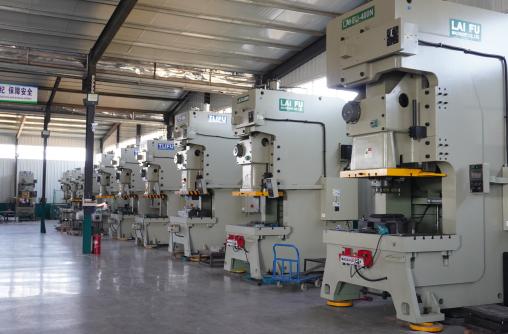
Laser cutter power determines maximum sheet thickness; press tonnage determines how complex a part you can form; the number of CNC machining centers determines how many orders you can handle simultaneously. Capacity determines lead time—a shop producing 50,000 parts per day is very different from one producing 5,000 parts per day when urgent orders come in.
What to look for:
Request an equipment list and pay attention to equipment relevant to your product. Also ask about capacity—not “maximum capacity” but “stable daily output.”
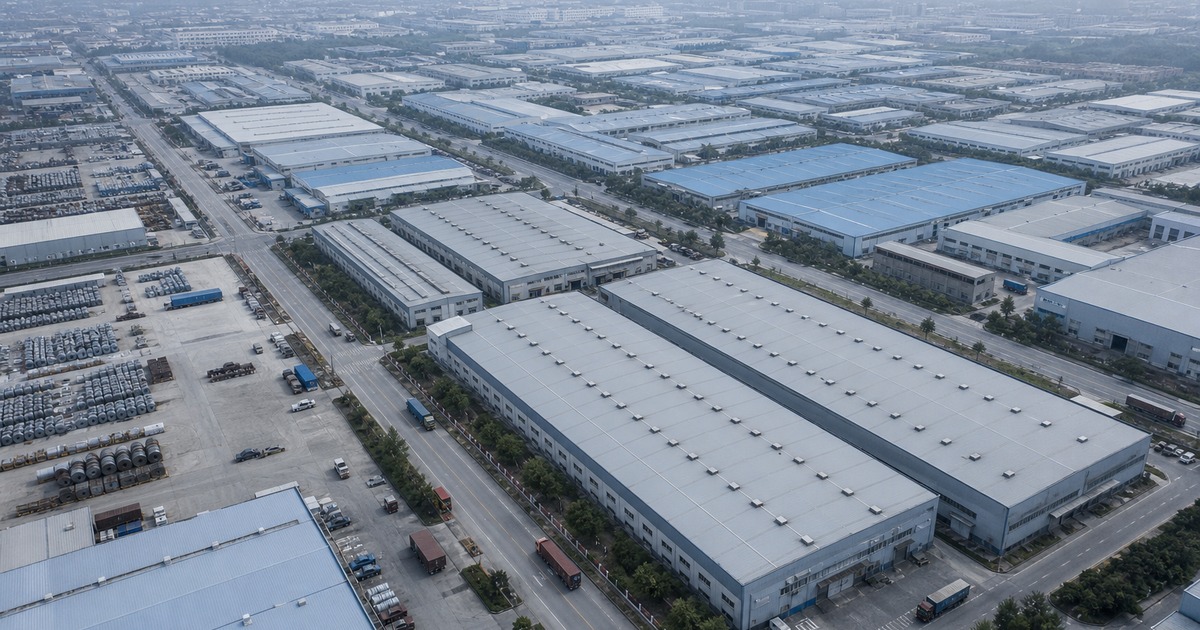
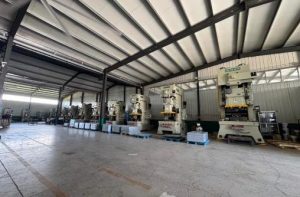
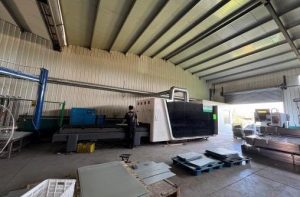
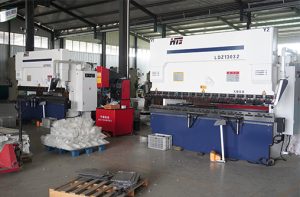
Our capability: 38 stamping presses (80–400 tons), 2 units of 6kW laser cutting equipment, 3 tube benders, 3 CNC milling machines, 1 automatic spot welder, 4 laser marking machines, 4 hydraulic presses, 2 surface treatment lines, 12 drilling machines, 3 welding production lines, and 1 forging setup. Stable daily output of 50,000+ parts with fully automated production.
Engineering & Technical Team
The drawings have arrived at the factory. Should we offer a quote first or analyze them first? This sequence determines whether you will receive “a price” or “a solution”.
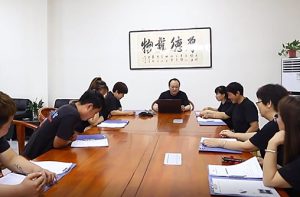
Factories with engineering capabilities will get involved at the quotation stage – evaluating the compatibility of materials and equipment, identifying production risks, and proposing manufacturability optimization suggestions. Factories without engineering capabilities will only follow the drawings and notify you to pay more if there are any problems.
What to look for:
Consider whether the steel fabrication supplier can solve complex problems.
Our capability: A team of 120, including 19 engineers—covering designers, R&D personnel, technical staff, quality inspectors, welders, and machinists. The engineering team is involved from DFM assessment through volume production.
How Do I Check Batch Consistency And The Delivery Record?
A sample being qualified does not mean that the batch is qualified. Many factories put in all their efforts when making samples, but slack off when it comes to mass production – they don’t replace worn-out molds, don’t adjust parameters, and don’t inspect the process. As a result, the dimensions of the first and second batches of products differ by a large margin.
What to look for:
Ask the factory about their batch quality control process – do they have dedicated quality inspectors? Do they have professional testing equipment?
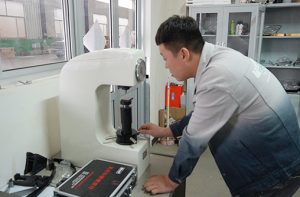
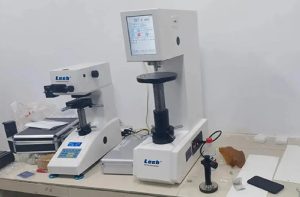
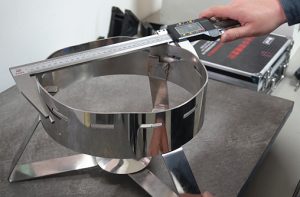
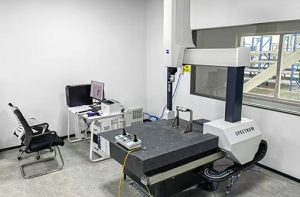
Our situation: Equipped with coordinate measuring machines (CMM), hardness testers, profile projectors, roughness testers, and other precision inspection instruments. Strict in-process sampling is performed throughout production. From raw material intake to finished product dispatch, every batch undergoes dimensional verification, mechanical property testing, and surface quality inspection to ensure batch consistency.
Industry Experience & Delivery Record
A newly established factory may have new equipment and low prices. Still, it has not been tested under various complex orders – it doesn’t know which designs are prone to problems, which materials are difficult to process, or which customer requirements need special attention.
 What to look for:
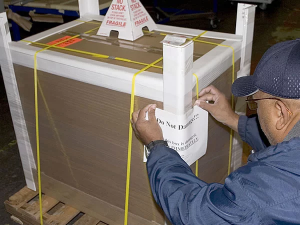
You can ask, “Have you done similar parts before?” – If the other party can quickly provide specific examples, it indicates that the experience is genuine. Pay attention to whether they have export experience – international orders usually have stricter requirements in packaging, surface treatment, and testing standards, and factories with export experience are more proficient in these details.
Our situation: We have customized over 70,000 different parts for more than 3000 enterprises in 100 countries around the world. Deliveries are on time, and we have mature international logistics and export experience.
Summary
When choosing a steel fabrication supplier, it’s not about choosing “who is cheaper” – it’s about choosing “who can turn your drawings into products at a reasonable cost, with stable quality and on-time delivery, to help you achieve that”.
Frequently Asked Questions
What is the first thing to check in a steel fabrication supplier?
The quality system, because it is the screening threshold rather than a differentiator. A shop without ISO 9001 certification has no standardized process management, which means what works today may not work tomorrow. ISO 9001:2015 requires full process control from raw material intake to finished product dispatch. The certificate is only a starting point: ask how the system is maintained in daily production, who owns the inspection records, and how a nonconformance is traced back to its cause.
How Can I Tell Whether a Supplier Can Hold My Tolerances?
Ask what tolerance they can guarantee stably, and judge the answer. The difference between ±0.5 mm work and ±0.03 mm work is not a small step: it changes equipment, tooling, inspection, and yield. A supplier who answers with a number tied to specific features has handled precision work; an evasive answer or a very wide range usually means they have not. Ask which measurement equipment verifies the tight features, because a tolerance without a measuring method is only an intention.
Why does process coverage affect cost and risk?
Because every outsourced step adds communication and removes traceability. A complete steel fabrication project usually involves cutting, forming, machining, welding, finishing, and inspection; if each sits with a different vendor, the drawing is reinterpreted at every handoff, lead times stack up, and a defect becomes difficult to attribute. A supplier with a complete in-house chain from raw material to finished product simplifies project management and makes delivery times more predictable, because the route sits under one control system.
What role does the engineering team play at the quotation stage?
It decides whether you receive a price or a solution. Factories with engineering capability get involved before quoting: they evaluate whether the material and equipment suit the part, identify production risks, and propose manufacturability improvements. A factory that only prices the drawing discovers those issues after the order, when changes are expensive. Asking whether DFM feedback comes with the quote is a fast way to separate the two, and it costs nothing to ask.
How Do I Check Batch Consistency and the Delivery Record?
By asking about production, not samples. A qualified sample does not mean a qualified batch; many shops concentrate effort on the prototype and then stop replacing worn tooling or maintaining process control. Ask whether there are dedicated quality inspectors and professional testing equipment, how batch quality is controlled, and whether similar parts have been made before. A supplier who can quickly produce specific examples is telling you the experience is genuine, and export experience is useful supporting evidence.
Get a Professional Steel Fabrication Assessment Before Production
✅ Quality · Precision · Engineering · Batch consistency
📩 tylor@xinjiuxinji.com — Reply in 3 working hours with free design optimization.
📌 Submit your drawings — Our engineering team will respond within 24 hours. No charge, no detours.
How Does a Steel Fabrication Factory Work? A Behind-the-Scenes Look