Sheet Metal Design Optimization: How to Reduce Manufacturing Costs and Production Risks
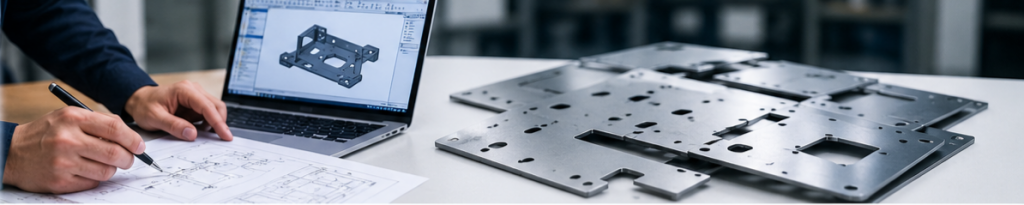
For OEM projects with long-term mass production, a good sheet metal design must also meet product functions. Additionally, it must suit stable manufacturing.
Why Do Sheet Metal Parts Cost More Than Expected?
Generally, the design phase in OEM projects focuses on product functionality and appearance. Meanwhile, manufacturing cost often surfaces only when the supplier provides a quotation.
When a supplier evaluates a sheet metal part, it looks beyond material weight and processing cost. The supplier also checks whether the structure is easy to process and whether the steps are reasonable. Finally, it judges whether the part suits mass production and whether hidden factors may slow production efficiency.
For example, if a part shows these traits:
1the structure looks complex, so it needs extra processing steps.
2also, many bends increase the production time.
However, these factors will all increase the manufacturing costs.
Therefore, cutting sheet metal manufacturing cost is not merely about cheaper materials or suppliers. Rather, it means minimizing unnecessary manufacturing difficulties during the design stage.
Also, through reasonable sheet metal design optimization, OEM enterprises can spot cost drivers early. For instance, they can simplify the structure, streamline processing methods, and enhance overall production efficiency.
Why Do Qualified Samples Fail to Maintain Stability in Mass Production?
Basically, this problem arises in many OEM projects. Meanwhile, the sample stage and the mass production stage differ mainly in their production requirements.
- The quantity stays small.
- More time can also go to adjustments;
- and the team can solve individual issues by hand.
- The product quantity increases.
- also, each part must stay consistent;
- and minor problems will accumulate continuously.
For instance, a part may meet the requirements at the sample stage, but may hit issues in mass production:
- some dimensions vary.
- assembly also shows deviations;
- and the process needs readjustments.
Generally, these problems do not come from a factory’s inability to produce. Rather, they stem from weak consideration of long-term manufacturing needs during the design stage.
Also, excellent sheet metal design must look beyond whether a shop can produce one sample. Moreover, it must consider whether the factory can reliably make thousands of parts or more. Therefore, professional suppliers pay close attention to sheet metal manufacturability.
Why Should Sheet Metal Manufacturing Risks Be Addressed During Design?
Many customers also believe that the factory should resolve manufacturing issues. However, if the design ignores production conditions, the later manufacturing process may incur significant adjustment costs.
Also, professional sheet metal suppliers focus on these aspects early in the project:
1
Is the Design Easy to Manufacture?
The supplier will also assess:
- Is the part structure reasonable?
- Does a complex processing area exist?
- Will it also affect production efficiency?
Also, a design that suits the actual manufacturing process leads to more stable production.
2
Is the Design Suitable for Mass Production?
Because a shop can produce a part, that does not mean it suits long-term mass production. OEM customers also care about:
- Is the product quality stable?
- Will subsequent orders remain consistent?
- Is the supply reliable?
Also, considering mass production needs during the design stage can reduce future supply risks.
3
Does the Design Offer Cost Optimization Opportunities?
Cost optimization does not mean lower quality. Also, reasonable design adjustments can reduce:
- unnecessary processing
- Material waste
- Production time
Therefore, this remains an important value of sheet metal design optimization.
How Do Sheet Metal Suppliers Optimize Designs for Stable Production?
Also, many suppliers quote production right after the client sends final drawings. However, for complex OEM projects, the more valuable suppliers also join product development in advance.
Also, it covers:
1
Understand Product Requirements
- •Product environment
- •Usage needs
- •Order volume
- •Cost target
Scenarios differ in materials and methods.
2
Evaluate Design Manufacturability
- •Also, is the material selection appropriate?
- •Moreover, is the part structure easy to manufacture?
- •Then, are there any issues that affect costs and delivery?
Also, identify these problems early to avoid adjustments after production.
3
Provide Optimization Suggestions
- •Also, simplify the structure
- •Adjust the production method
- •Improve the processing procedure
- •Reduce manufacturing complexity
While meeting functional requirements, make production more stable and reliable.
Why Choose a Sheet Metal Supplier with Design Optimization Experience?
Also, OEM customers should not choose a supplier on price alone. Moreover, a reliable sheet metal partner needs manufacturing experience, engineering support, and quality capabilities.
Rich manufacturing experience
Long-term experience also helps suppliers spot which designs add cost and which structures affect production. Also, this experience helps customers cut the cost of trial and error during development.
Engineering support capability
Design optimization also requires a team that understands product requirements and offers suggestions. Moreover, the engineering team reviews whether the drawings meet requirements and also draws on production experience to cut risks.
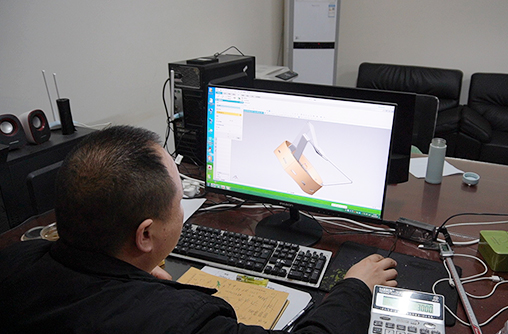
Comprehensive manufacturing system
Also, for OEM projects the value of design optimization lies in implementing optimization plans during production. Reliable suppliers also need full capability, from design support to batch delivery:
1Design evaluation
2Part processing
3Surface finishing
4Quality checks
5Batch production
Since 1999, we have supplied sheet metal manufacturing services to global OEM customers. Also, we built an integrated system covering engineering, production, and quality control.
Also, the company now has:
- •a 9,000-square-meter modern production base for sheet metal projects;
- •a 120-person manufacturing team for early-stage support.
- •ISO 9001:2015 quality management system certification for standardized quality;
- •over 3,000 enterprise customers, with products exported to 100+ countries;
- •and 70,000+ different metal parts completed across many industries.
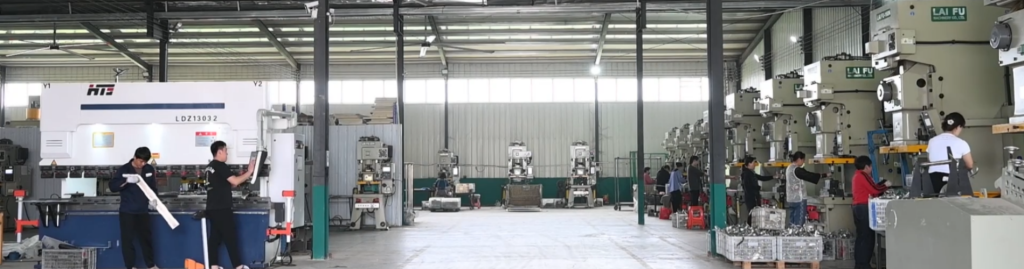
Also, these experiences let us do more than produce parts to drawings. Moreover, we help customers identify manufacturing issues early and cut risks in later production through reasonable design optimization.
Also, for OEM projects with long-term supply, choosing a sheet metal supplier with a complete system goes beyond picking one manufacturer. Moreover, it means finding a partner who can jointly cut manufacturing risks.
Learn more: Why Choose Us as Your Reliable Metal Fabrication Partner for Custom Parts.
How to Start a Sheet Metal Design Optimization Project
If you develop a new sheet metal part, start design optimization early.
Also, the cooperation process involves:
→
2 Conduct design assessment
→
3 Confirm the optimization plan and proceed to production
Step 1: Provide product information
Also, customers can share 2D drawings, 3D models, material needs, and application details.
Step 2: Conduct design assessment
Also, the supplier reviews the design using engineering experience: are there cost-optimization chances, production risks, and a better method?
Step 3: Confirm the optimization plan and enter production
Then, move to batch production after sample verification and quality confirmation. Also, this approach can help OEM customers reduce development risks and improve project efficiency.
Conclusion: Better Sheet Metal Design Leads to More Stable Production
However, cost and stability do not depend on equipment alone. Therefore, many issues that affect cost and quality arise during the design stage.
Also, through sheet metal design optimization, OEM enterprises can:
- Reduce manufacturing costs;
- Minimize production issues;
- Improve batch stability;
- Shorten the product development cycle.
Also, selecting a sheet metal manufacturing supplier that can both produce parts and join design optimization helps enterprises cut long-term risks. Moreover, such a partner supports more stable product delivery.
Optimize Your Sheet Metal Design Before Production Starts.
✅ Design optimization · Manufacturing risk analysis · Stable mass production
📩 tylor@xinjiuxinji.com — We respond to inquiries within 2 hours.
Submit your drawings for sheet metal design optimization and manufacturing feasibility review — Start reducing production risks today
Tens of Thousands of Precision Stamping Parts Later: What Makes Production Reliable