How to Import Metal Parts from China
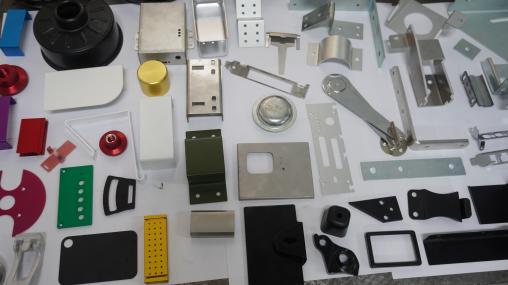 When you import metal parts from China, the first logistics decision is the Incoterm — and most US buyers land on FOB (Free On Board): the factory’s responsibility ends when the cargo is loaded on the vessel in a Chinese port, and you control the ocean freight, insurance, and customs entry from there.
If you are a first-time importer with no freight forwarder relationship yet, DDP (Delivered Duty Paid) is the simpler option — the supplier delivers to your dock with duties paid, at a higher price.
The Incoterm you choose shifts three things: who pays, who books, and who carries the risk from the factory floor to your receiving bay. This guide maps those shifts for the four terms you will actually meet, per the ICC’s Incoterms® 2020 rules.
For a deeper supplier-identity check, read manufacturer vs. trading company for metal parts before approving samples or tooling.
What each Incoterm moves between you and the supplier
Two things surprise new importers:
- FOB and CIF carry the same risk point (cargo on the vessel). CIF only adds supplier-arranged freight and insurance.
- EXW looks cheap but quietly loads everything on you — inland trucking in China, export customs clearance, booking, and any missed deadline. Export clearance at EXW is the seller’s weakest link, and you cannot easily fix it from 10,000 miles away.
Match the Incoterm to your situation
- You have a US freight forwarder? Use FOB. You get better ocean rates, full visibility, and clean customs documentation.
- First shipment, small order, no forwarder? Use DDP. The landed price is all-in, and you learn the product before you learn the logistics.
- You want the supplier to arrange shipping but keep your own customs broker? Use CIF, and make sure you are named on the cargo documents so your broker can file the entry.
In practice, buyers move from DDP to FOB after two or three shipments, once the forwarder relationship is warm.
How to import metal parts from China with duties under control
Steel and aluminum products enter the US under specific HTS headings with their own duty rates, plus any section-specific charges in force at the time of import. Your customs broker calculates the exact rate from the product description — which is why the commercial invoice and material specification should be precise down to alloy grade. A vague “metal parts” description is the fastest route to a clearance delay. Our 2026 US Steel & Aluminum Tariff Guide walks through the current framework; pair it with your broker’s ruling for your exact parts, and check the USITC Harmonized Tariff Schedule for the heading text. The Incoterm also moves your budget, so read it next to the unit price — our metal fabrication cost guide breaks the price structure down line by line.
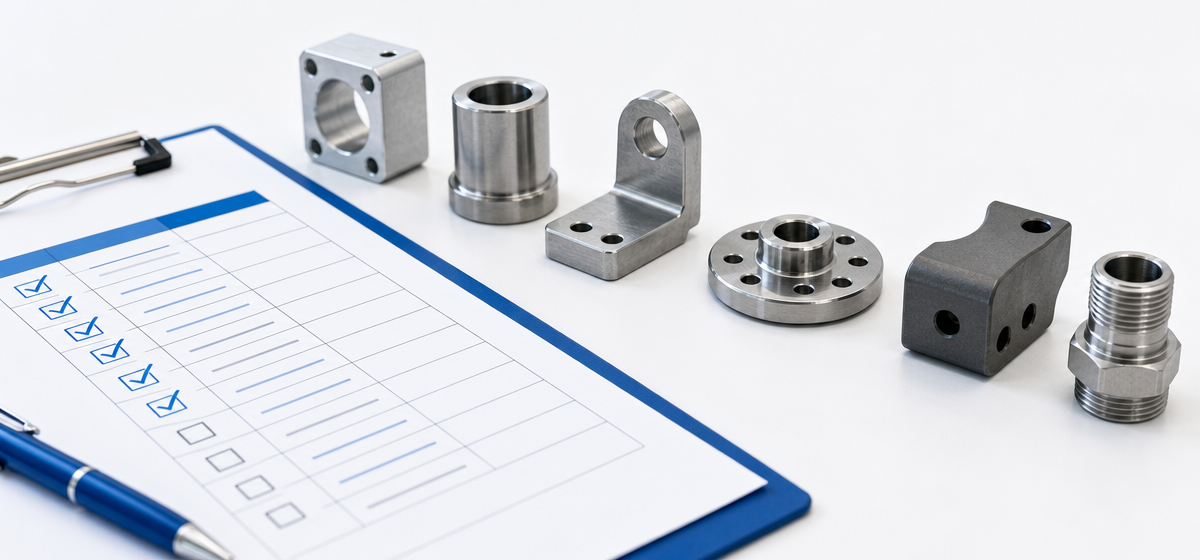
Run your first shipment as a checklist
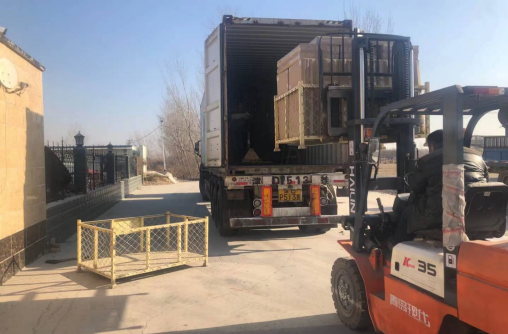 Fix the Incoterm and port of loading in the proforma invoice.
- Send the material spec and dimensions to your broker for a pre-arrival duty estimate.
- Require the supplier to provide: packing list, commercial invoice, certificate of origin, and material test certs per heat.
- Book the vessel 2–3 weeks ahead of the ready date.
- On arrival, reconcile actuals against the estimate and file the entry.
Xinjiuxinji ships stamped and fabricated parts from Tianjin and nearby ports under all four terms, and we prepare the full document set above as standard. If you are unsure which term fits your first order, send us the part quantity and destination — we reply to inquiries within 2 hours with a recommendation.
FAQ
Is FOB better than DDP for importing metal parts?
Usually yes — after your first shipment. FOB gives you freight control and lower landed cost; DDP removes the learning curve for first-time importers.
Who pays US customs duties under CIF?
You do. CIF covers freight and insurance only; the importer of record always pays duties.
Can I use EXW and arrange everything myself?
You can, but export clearance in China stays awkward to handle remotely. FOB gives you nearly the same control with the export side solved.
What documents do I need to clear stamped parts at US customs?
Commercial invoice, packing list, bill of lading, certificate of origin, and HTS classification with the alloy grade specified.
How far ahead should I book ocean freight?
Two to three weeks before the cargo is ready covers most China–US lanes.
Does the Incoterm change my duty amount?
No — duties follow the product classification and value, not the shipping term. The term changes who pays, when, and who files.
Not Sure Which Incoterm Fits Your First Order?
✅ FOB · CIF · DDP · EXW — we ship from Tianjin under all four terms
📩 tylor@xinjiuxinji.com
We respond to inquiries within 2 hours.
Send the part quantity and destination — the reply names the Incoterm, port of loading, and document set before the price locks
Metal Stamping Samples: T1, Mockup, and Production Samples