Sheet Metal Fabrication China Supplier: The Complete Sourcing Guide for 2026
When a product team needs stamped brackets, enclosures, or chassis at a competitive landed cost, the search usually ends in the same place: a sheet metal fabrication China supplier. China produces the world’s largest share of metal fabrication work, and for good reason — dense equipment, mature supply chains, and price levels that Western buyers can rarely match. But sourcing from China only pays off when the supplier is chosen and managed correctly.
This guide walks through the complete process: what a China supplier offers, how to find and vet candidates, how the RFQ-to-delivery flow works, what it really costs, and the pitfalls that sink careless buyers.
What a Sheet Metal Fabrication China Supplier Offers
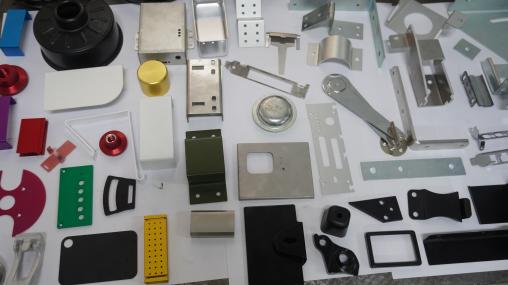 Chinese fabrication suppliers compete on three structural advantages:
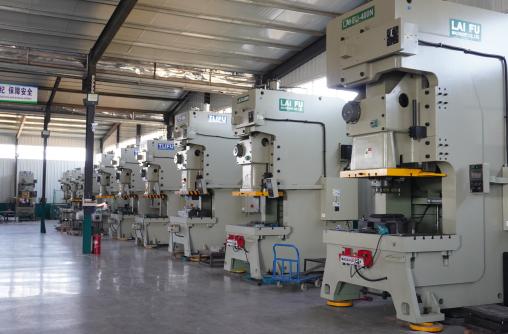
- Equipment density. A serious supplier runs stamping press lines from 60 to 400 tons, 6kW-class laser cutters, bending bays, and welding lines — often in one facility, with CMM inspection rooms attached.
- One-stop capability. Stamping, laser cutting, bending, welding, and finishing under one roof means fewer hand-offs, fewer tolerance disputes, and simpler logistics than sourcing each process separately.
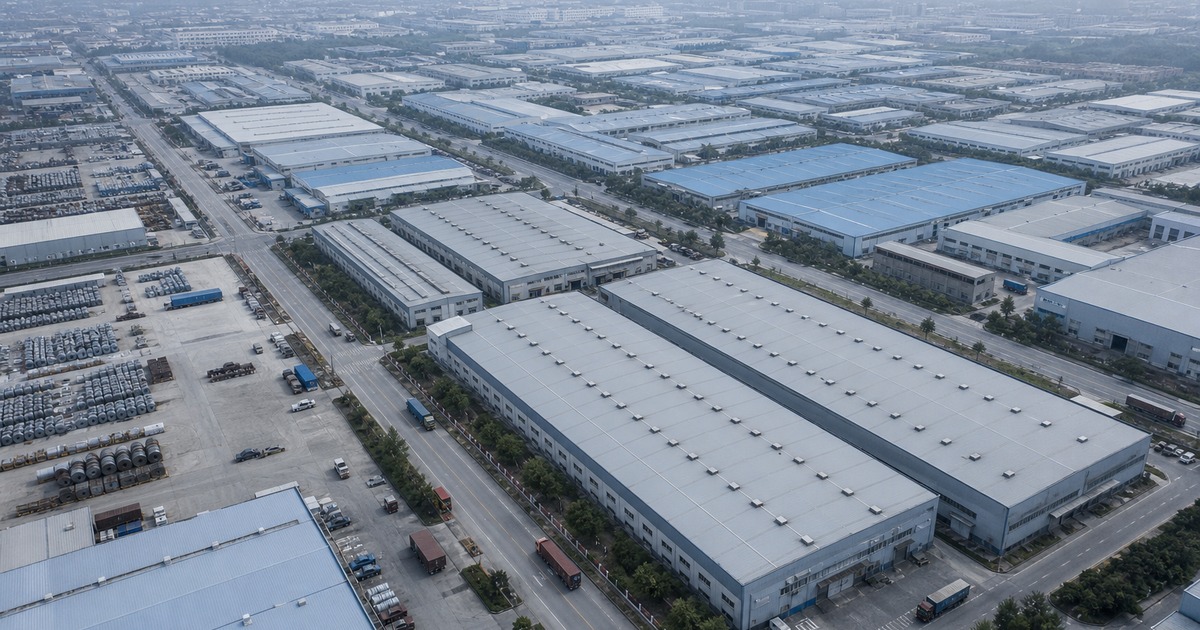
- Industry clusters. Regions like Nanpi County in Hebei — China’s official hardware manufacturing town, under two hours from Beijing and Tianjin — concentrate tooling makers, finishers, and freight forwarders within a short drive, which keeps lead times and tooling costs down.
The commercial result: Western OEMs routinely source fabricated metal parts from China at significantly lower landed cost — provided the supplier is vetted properly.
How to Find and Shortlist Suppliers
Start broad, narrow fast:
- B2B platforms and marketplaces — search by process (stamping, sheet metal) and filter for certifications
- Industry associations and directories — regional export associations publish member lists with company profiles
- Trade shows and delegations — meet suppliers in person at industry fairs or organized factory visits
- Referrals — existing suppliers and industry peers are the most honest source of recommendations
Build a shortlist of 5–10 candidates, then collect from each: equipment list, ISO 9001 certification, industry references, and a sample inspection report. Suppliers who cannot produce these three documents in 48 hours should be dropped immediately.
How to Vet a Sheet Metal Fabrication China Supplier Before You Commit
|
Verification is where most sourcing failures are prevented. Five checks that cost little but save a lot:
|
- Reference samples. Ask for parts they have made for clients in your industry (with confidential markings removed) and a corresponding inspection report.
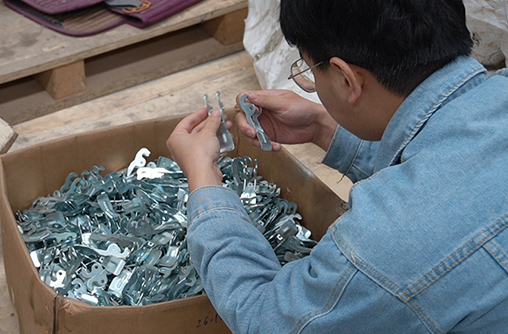
- Free samples. Ask for free samples for evaluation — nothing verifies a supplier like holding their parts in your hand, and it tests quality, communication, and honesty at once.
For the full 10-point evaluation framework, see our guide on how to choose a China sheet metal fabrication manufacturer.
From RFQ to Delivery: The Sourcing Process
The flow with a professional supplier follows a predictable rhythm:
 1. RFQ — send drawing, material, finish, and annual quantity. Expect a response within 24–48 hours with DFM feedback and a transparent quote (tooling, piece price, MOQ separated).
2. Engineering review — the supplier’s engineers check bend feasibility, tolerance risk, and tooling strategy before quoting. Real recommendations here are a sign of engineering depth.
3. Prototype and FAI — a small batch is produced and every critical dimension measured. The first-article inspection report tells you in writing whether they can hold your tolerances.
4. Production — with FAI approved, production runs on schedule; in-process checks keep quality stable at volume.
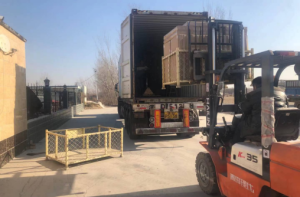
5. Inspection, packing, delivery — final CMM inspection, batch reports, export packing, and on-time shipping close the loop.
Want the detailed breakdown of each process and cost factor? See our guide to custom sheet metal fabrication services.
Costs, MOQ and Lead Times: What to Expect
- Tooling — stamping dies are a one-time cost, amortized into the piece price as volume grows. Laser-cut and bent parts need minimal tooling, which suits low volumes.
- Piece price — drops with quantity; expect the biggest step-down between prototype/short-run and full production.
- MOQ — most suppliers accept low-volume and prototype orders from 50–200 pieces; high-volume stamping scales to hundreds of thousands.
- Lead time — prototypes typically 1–2 weeks; production depends on tooling and order size. Ask for both in writing.
- Freight and duty — factor ocean freight and any import duties into your landed-cost calculation; a complete RFQ with destination country gets you an honest estimate.
Common Pitfalls and How to Avoid Them
- The trading-company trap. A broker quoting factory prices for another company’s work — you lose control of quality and delivery. Verify equipment ownership and ask for the plant address.
- The too-good-to-be-true quote. Tooling and material quality have a floor price. Unrealistically low quotes usually mean thin metal or thinner inspection.
- Hidden MOQ surprises. Confirm MOQ and tooling costs in the quote — in writing — before you commit.
- Quality drift at volume. Sample quality is not batch quality. Require batch inspection reports and periodic audits.
- Communication gaps. Time zones and language matter. A professional sheet metal fabrication China supplier answers within 24 hours and flags problems early, not after shipment.
Choosing a Reliable Sheet Metal Fabrication China Supplier
Since 1999, our factory in Nanpi — China’s hardware manufacturing town, under two hours from Beijing and Tianjin — has supplied custom sheet metal parts to more than 3,000 companies in over 100 countries. Our export business spans the US, Germany, the UK, France, and Ireland, which together account for the majority of our volume — customers who audit quality systems, not just price lists.
What you will find in our facility:
- 40+ stamping presses from 60 to 400 tons, including deep drawing capability
- Two 6kW laser cutting systems, plus bending and welding lines
- Surface finishing and CMM inspection rooms — all in-house, no subcontracting, under ISO 9001:2015
- 120 employees, 19 of them engineers, reviewing every drawing before quoting
- 70,000+ custom part numbers delivered, across automotive, electronics, firefighting, agricultural, marine, and medical industries
Every batch ships with inspection reports; prototypes come with first-article inspection (FAI), and quotes are returned within 24 hours with DFM feedback. Free samples are available for evaluation. Questions? The FAQ below covers the essentials — or upload your drawings to start with free samples.
Frequently Asked Questions
Start Sourcing Your Sheet Metal Parts from China Today
✅ Verified factory · Free samples · From RFQ to delivery — all in-house
📩 tylor@xinjiuxinji.com — Reply in 3 working hours — free design optimization & quotation.
Free samples available for evaluation — Send your drawings now and verify before you commit
Precision Sheet Metal Fabrication: Tolerances That Actually Matter