Sheet Metal Design Optimization: How to Reduce Manufacturing Costs and Production Risks
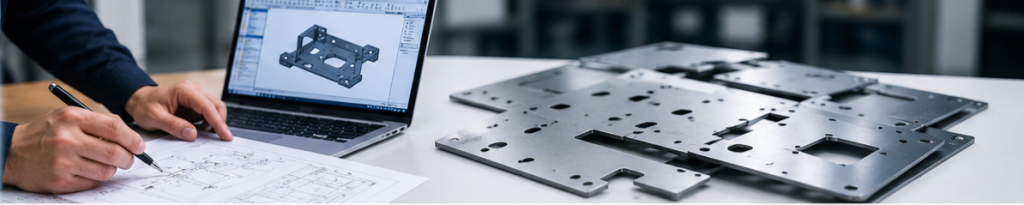
For OEM projects that require long-term mass production, a good sheet metal design must not only meet product functions but also be suitable for stable manufacturing.
Why Do Sheet Metal Parts Cost More Than Expected?
For many OEM projects, the design phase focuses on product functionality and appearance, while manufacturing cost is often only revealed when the supplier provides a quotation.
When evaluating a sheet metal part, the supplier considers not only the material weight and processing cost but also whether the part structure is easy to process, whether the production steps are reasonable, and whether it is suitable for mass production. but also whether there are factors that may affect production efficiency.
For example, if a sheet metal part has the following characteristics:
1The structure is complex and requires more processing steps.
2There are a large number of bends, which increases the production time.
These factors will all increase the manufacturing costs.
Therefore, reducing the cost of sheet metal manufacturing is not merely about finding cheaper materials or suppliers, but rather about minimizing unnecessary manufacturing difficulties during the design stage.
Through reasonable sheet metal design optimization, OEM enterprises can identify the design factors that affect costs in advance—for instance, simplifying the structure, optimizing the processing methods, and enhancing the overall production efficiency.
Why Do Qualified Samples Fail to Maintain Stability in Mass Production?
This is a problem that often occurs in many OEM projects. The main difference between the sample stage and the mass production stage lies in the different production requirements.
- The quantity is small;
- More time can be devoted to adjustments;
- Individual issues can be solved manually.
- The product quantity increases;
- Each part needs to be kept consistent;
- Minor problems will accumulate continuously.
For instance, a part may meet the requirements during the sample stage, but may encounter issues during mass production:
- Some dimensions are not consistent;
- There are deviations during assembly;
- Readjustments are required during the production process.
These problems are usually not caused by the factory’s inability to produce, but rather by inadequate consideration of long-term manufacturing requirements during the design stage.
Excellent sheet metal design requires not only considering whether a sample can be produced, but also whether thousands, or even more, parts can be reliably manufactured. This is the reason why professional suppliers pay attention to sheet metal manufacturability.
Why Should Sheet Metal Manufacturing Risks Be Addressed During Design?
Many customers believe that the factory should resolve manufacturing issues. However, if the design does not adequately account for production conditions, the subsequent manufacturing process may incur significant adjustment costs.
Professional sheet metal suppliers usually focus on the following aspects in the early stage of the project:
1
Is the Design Easy to Manufacture?
The supplier will assess:
- Is the part structure reasonable?
- Does a complex processing area exist?
- Does it affect production efficiency?
The design that is more in line with the actual manufacturing process will lead to more stable subsequent production.
2
Is the Design Suitable for Mass Production?
Just because a part can be produced doesn’t mean it is suitable for long-term mass production. OEM customers are more concerned with:
- Is the product quality stable?
- Will subsequent orders remain consistent?
- Is the supply reliable?
Considering the requirements for mass production during the design stage can reduce future supply risks.
3
Does the Design Offer Cost Optimization Opportunities?
Cost optimization does not mean lowering the quality.
Reasonable design adjustments can reduce:
- unnecessary processing
- Material waste
- Production time
This is also an important value of sheet metal design optimization.
How Do Sheet Metal Suppliers Optimize Designs for Stable Production?
Many suppliers offer production quotations immediately after the client provides the final drawings. However, for complex OEM projects, more valuable suppliers will participate in the product development process in advance.
Design optimization usually includes:
1
Understand Product Requirements
- •Product application environment
- •Usage Requirements
- •Purchase quantity
- •Cost target
Different application scenarios have different requirements for materials, structures, and manufacturing methods.
2
Evaluate Design Manufacturability
- •Is the material selection appropriate?
- •Is the part structure easy to manufacture?
- •Are there any issues that affect costs and delivery?
Identify these problems in advance to avoid making adjustments after production.
3
Provide Optimization Suggestions
- •Simplify the structure
- •Adjust the production method
- •Improve the processing procedure
- •Reduce manufacturing complexity
While meeting the functional requirements, make the product’s production more stable and reliable.
Why Choose a Sheet Metal Supplier with Design Optimization Experience?
For OEM customers, choosing a supplier should not be based on price alone. A reliable partner for sheet metal manufacturing should possess not only manufacturing experience but also engineering support and quality management capabilities.
Rich manufacturing experience
Long-term manufacturing experience enables suppliers to identify in advance which designs may increase costs, which structures may affect production, and which requirements need to be confirmed. This experience helps customers reduce the cost of trial and error during the development process.
Engineering support capability
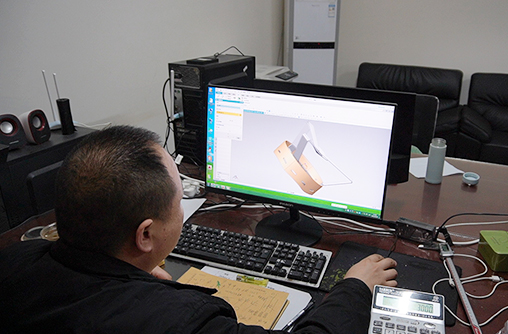
Design optimization requires not only equipment capabilities but also a team that understands product requirements and can provide suggestions. The engineering team not only reviews whether the drawings meet the requirements but also draws on actual production experience to help customers reduce risks.
Comprehensive manufacturing system
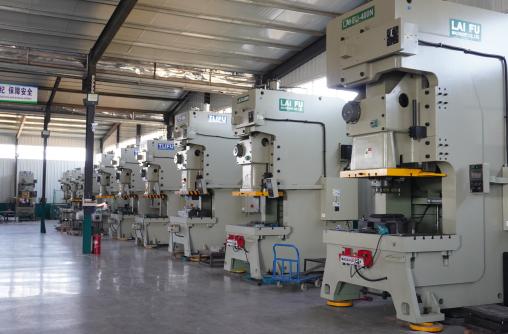
For OEM projects, the value of design optimization lies not only in providing suggestions but, more importantly, in the ability to implement these optimization plans in the production process. Reliable suppliers need to possess a complete manufacturing capability ranging from design support to batch delivery:
1Design Evaluation
2Part processing
3Surface treatment
4Quality inspection
5Batch production management
We have over 26 years of experience in sheet metal manufacturing, have been providing long-term services to global OEM customers, and have established a complete manufacturing system covering engineering, production, and quality control.
At present, the company has:
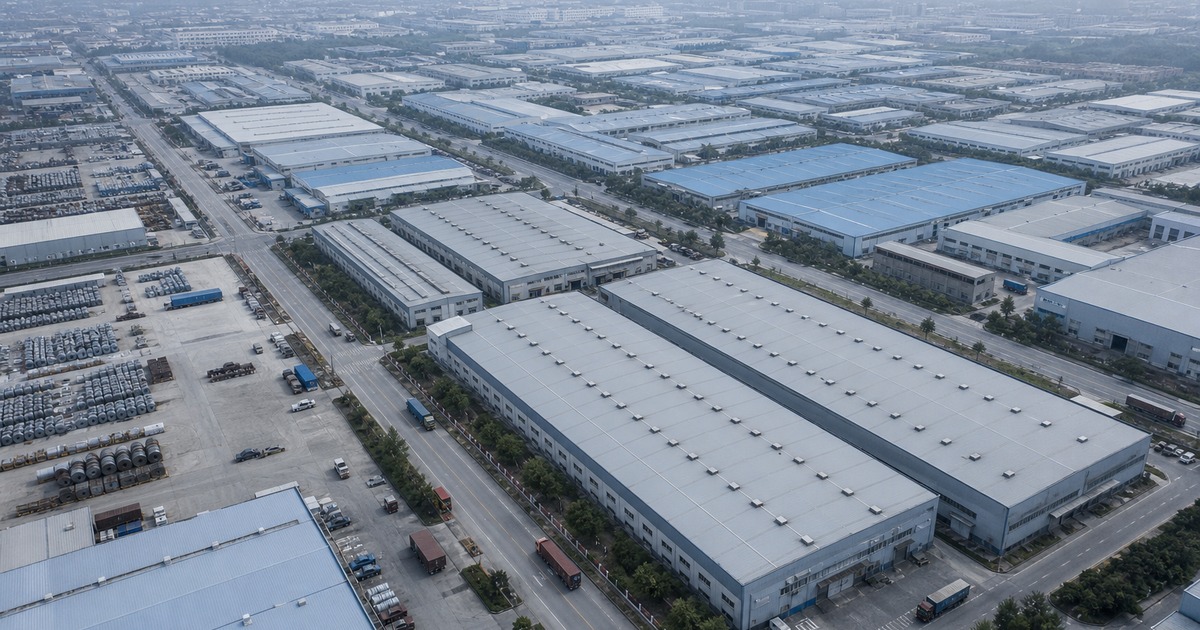
- •A 9,000-square-meter modern production base, capable of supporting various sheet metal processing projects;
- •A manufacturing team of 120 people, including 19 engineers with over 10 years of experience, who can provide design optimization and manufacturing suggestions at the early stage of the project;
- •ISO 9001:2015 quality management system certification, ensuring that the production process meets standardized quality requirements;
- •Serving over 3,000 enterprise customers, with products exported to 100+ countries, accumulating rich experience in international OEM projects;
- •A total of 70,000+ different types of metal parts have been completed, covering multiple industry application scenarios.
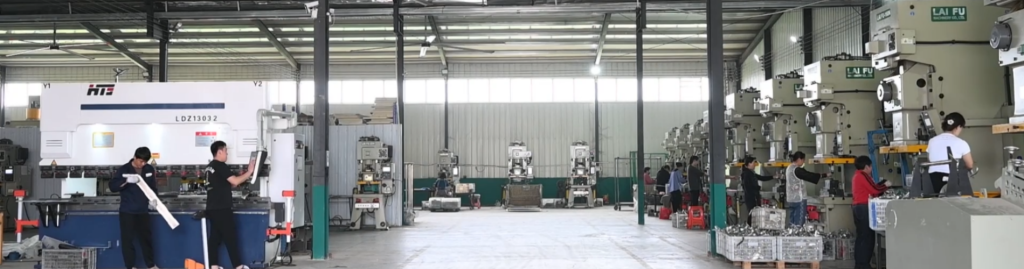
These experiences and manufacturing capabilities enable us not only to produce parts according to the drawings but also to help customers identify potential manufacturing issues at an early stage of the project and reduce risks in subsequent production through reasonable design optimization.
For OEM projects that require long-term supply, choosing a sheet metal supplier with a complete manufacturing system is not merely about selecting a single manufacturer but about finding a partner who can jointly mitigate manufacturing risks.
Learn more: Why Choose Us as Your Reliable Metal Fabrication Partner for Custom Parts
How to Start a Sheet Metal Design Optimization Project
If you are developing a new sheet metal part project, design optimization should start early rather than after production problems arise.
The cooperation process usually involves:
→
2 Conduct design assessment
→
3 Confirm the optimization plan and proceed to production
Step 1: Provide product information
Customers can provide: 2D drawings, 3D models, material requirements, and product application details.
Step 2: Conduct design assessment
The supplier conducts an analysis based on manufacturing experience: Are there any cost-optimization opportunities, any production risks, and a more suitable manufacturing method?
Step 3: Confirm the optimization plan and enter production
After determining the optimization direction, proceed to batch production through sample verification and quality confirmation. This approach can help OEM customers reduce development risks and improve project efficiency.
Conclusion: Better Sheet Metal Design Leads to More Stable Production
Manufacturing costs and production stability are not determined solely by equipment and processing capabilities. Many issues that affect cost and quality arise during the product design stage.
Through sheet metal design optimization, OEM enterprises can:
- Reduce manufacturing costs;
- Minimize production issues;
- Improve batch stability;
- Shorten the product development cycle.
Selecting a sheet metal manufacturing supplier that cannot only produce parts but also participate in design optimization can help enterprises reduce long-term manufacturing risks and achieve more stable product delivery.
Optimize Your Sheet Metal Design Before Production Starts
✅ Design optimization · Manufacturing risk analysis · Stable mass production
📩 tylor@xinjiuxinji.com — Reply in 3 working hours — free design optimization & quotation.
Submit your drawings for sheet metal design optimization and manufacturing feasibility review — Start reducing production risks today
Tens of Thousands of Precision Stamping Parts Later: What Makes Production Reliable