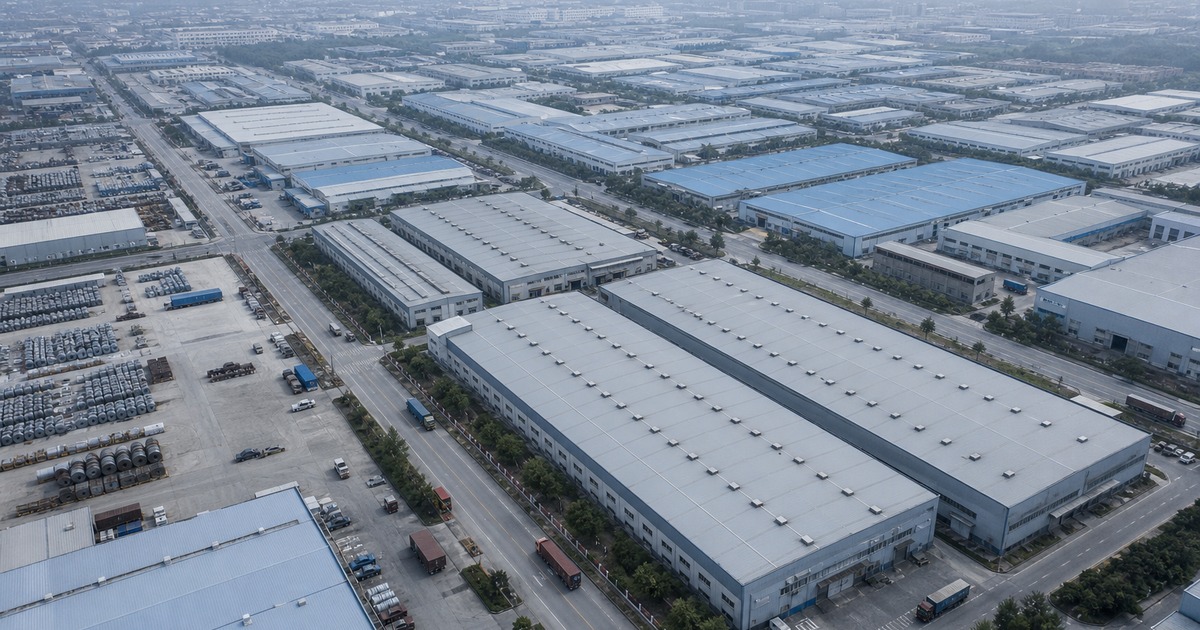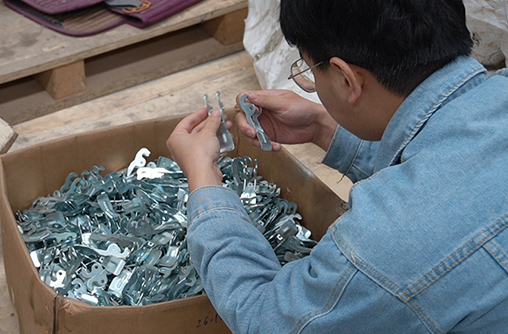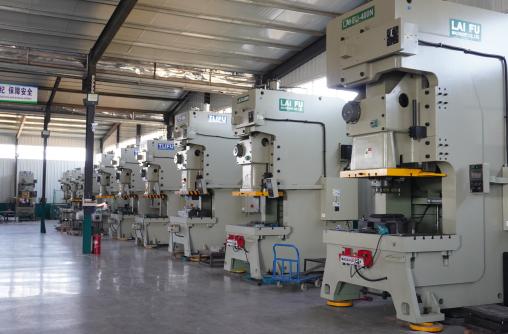
Metal Fabrication for OEM Parts: From 72-Hour Free Samples to Stable Mass Production
In the OEM metal fabrication project, passing the samples does not mean the project is successful. The real challenges usually arise during mass production, such as size deviations, assembly issues, or batch inconsistencies. Therefore, what determines whether the project can deliver consistently over the long term is not the samples themselves, but the ability to replicate from samples to mass production.
⚠️Samples have been successfully tested ≠ Mass production is stable
The sample stage verifies “manufacturability”; the mass production stage tests “reproducibility”.
👉 The key to determining the success or failure of a project lies in the engineering control ability from the sample stage to the mass production stage.。
Why Sample Approval Does Not Guarantee Mass Production Stability in OEM Metal Fabrication
The sample stage and the mass production stage are essentially two different verification methodologies.
🔬 Sample concerns:
Can the product be manufactured?
- The process fluctuations are not obvious.
- The batch differences have not been magnified.
- The assembly pressure is relatively low.
🏭 Mass production concerns:
Can the product be produced consistently, stably, and repeatedly?
- Minor deviations will be systematically magnified.
- Batch consistency determines long-term quality.
- The process window must be narrowed.
👉A key criterion for judgment:: Does the sample truly represent the results under the production conditions?
Real OEM Case: From 72-Hour Sample to Stable Mass Production
A European military support equipment manufacturer customized metal ammo storage boxes for outdoor field deployment, requiring consistent, long-term OEM sheet-metal fabrication under harsh field conditions.

After receiving the customized drawing upgrades for the standard ammo can, we finished prototype samples within 72 hours for initial validation. The sample passed the dimension inspection, lid-closing assembly test, and basic waterproof function test, confirming that the single prototype was fully manufacturable.
However, during mass-production DFM engineering review, we analyzed the structure based on batch repeatability rather than solely on one sample’s performance.
👉 In OEM sheet metal projects, long-term stable supply relies on controlling mass-production tolerances, not just on a qualified prototype.
Relying on our mass stamping experience for thin-gauge military sheet metal parts, we spotted a hidden mass production risk:
The front spring latch locking plate is integrated into the main box deep-bending section.
For individual hand-made samples, manual trimming can eliminate fit gaps. Still, in continuous stamping mass production, the deep-bending rebound will create cumulative dimensional deviation at the latch mounting position.This deviation would lead to inconsistent lid latch tightness across batches. Some boxes lock too loosely; others cannot close smoothly.
👉 This became the critical scalability risk for large-batch manufacturing. We presented this tolerance risk analysis to the customer. We reached an agreement to adjust the stamping-bending sequence and add secondary shaping processes without altering the customer’s original ammo box design or appearance.After process optimization, trial batch production was launched. Continuous stamping runs verified uniform bending-rebound control, and the latch assembly gap maintained a consistent tolerance range.
In formal mass production, all shipped ammo cans have identical lid-locking performance, zero assembly rework, and consistent waterproof sealing for field outdoor use.— Related reading: How Sheet Metal Fabrication Ensures Stable Mass Production Quality explains how process control ensures consistent results in production.
For this military client, the core value we delivered was not only fast 72-hour sampling but also identifying and resolving batch fit defects before mass-production investment.
👉 Reliable OEM military metal fabrication is defined by batch repeatability control, not just a functional prototype.
Key Factors That Determine Stable Mass Production in Metal Fabrication
The key to stable mass production is not a single factor, but rather the system capability:
|
✔ Can it be replicated? Can the same result be achieved in each batch?
|
✔ Batch consistency control? Does production at different times remain consistent?
|
✔ Identify risks in advance? Are problems discovered before mass production?
|
✔ Batch structure design? Does the design support large-scale production?
|
Why OEM Customers Choose Experienced Metal Fabrication Manufacturers
In the metal manufacturing industry, most factories can produce samples. But the real difference lies in: Whether they can smoothly transition from samples to mass production.
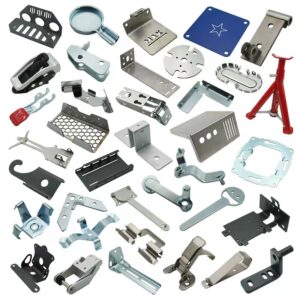
Over the past 26 years of manufacturing experience, we have been involved in more than 70,000 metal component projects, covering:
Industrial equipment · Electronic products · Energy systems · Mechanical components · Building hardware
The value of these experiences lies not in “how many products have been made”, but in: The ability to predict and avoid production risks in advance.
If you are evaluating suppliers, How to Evaluate a Custom Sheet Metal Fabrication Manufacturer can help identify key selection risks.
Start Your OEM Metal Fabrication Project
✅ 72h free samples · DFM optimization · Stable mass production
📩 tylor@xinjiuxinji.com — Reply in 3 working hours — free design optimization & quotation.
Contact us for a free sample evaluation & mass production feasibility review — Send your drawings now
What Is Metal Deep Drawing? A Complete Manufacturing Guide