How Sheet Metal Fabrication Ensures Stable Mass Production Quality
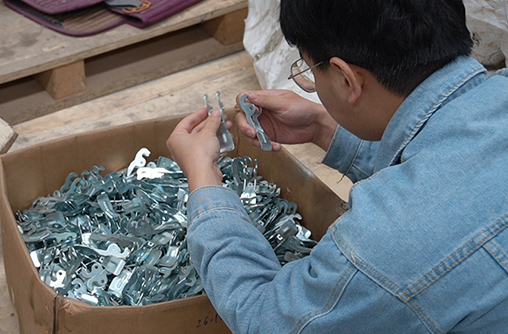
In large-scale metal parts manufacturing, the real challenge is not whether a part can be produced, but whether quality remains consistent from batch to batch.When Sheet Metal Fabrication enters Mass Production, stamping, laser cutting, bending, welding, and surface finishing must work together under controlled conditions. Any variation in one process can affect the dimensional accuracy, assembly fit, and overall consistency of the final product.
Common Mass Production Challenges in Sheet Metal Fabrication
When mass-producing metal parts, the following problems often occur:
- Size deviation after the stamping process
- Inconsistent edges from laser cutting affect assembly
- Bending angles vary in different batches
- Welding deformation causes instability of the overall structure
- Dimension or appearance consistency declines after surface treatment
These problems are not caused by a single process but by the lack of unified, coordinated control in the Sheet Metal Fabrication chain.
The fundamental reason for the instability in mass production
In many manufacturing projects, problems usually arise from:
- Each process step is optimized independently rather than being controlled as a whole
- Parameters are adjusted based on the operators’ experience
- There is a lack of standardized transition logic between processes
👉 The fundamental problem is that the process has not been developed into a system but operates independently.
Complete Process Integration for Stable Mass Production
Stable Sheet Metal Fabrication depends on more than individual manufacturing processes. It requires every stage—from forming to finishing—to operate under a unified production system that minimizes variation and maintains consistency throughout Mass Production.
Stamping process
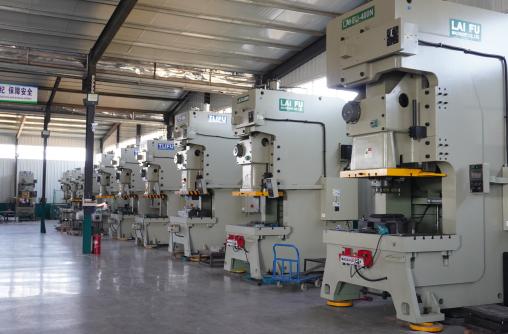
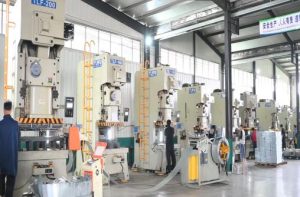
Our 80–400 ton stamping presses provide repeatable, high-volume forming for complex metal parts. Through precision tooling and controlled production parameters, dimensional consistency can be maintained across large production runs, reducing variation from the source.
Stamping determines “basic consistency.”
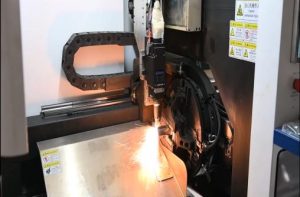
Laser cutting
High-precision cutting and contour control, by maintaining stable power and path, ensure that each batch of metal parts has a consistent geometric reference, providing a reliable input for subsequent processing.
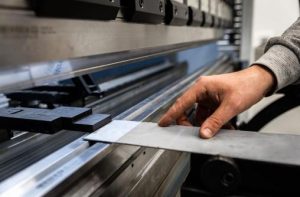
Bending process
Standardized bending paths and process parameter control ensure that angle deviations across batches remain within a stable range, guaranteeing structural consistency and directly influencing final assembly accuracy.
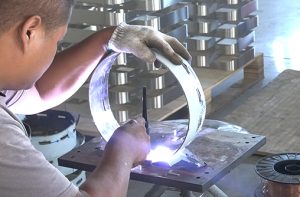
Welding process
By fixing the welding sequence and path control, the influence of thermal deformation on batch consistency is reduced, and the overall rigidity and deformation control of complex metal parts are stabilized.
Quality control: A unified system throughout all processes
To ensure the stability of the entire Sheet Metal Fabrication process, the quality system is implemented at every stage rather than through random spot checks.
The practical foundation for the stable operation of the manufacturing system
To support a long-term, stable Sheet Metal Fabrication system, we have established a manufacturing foundation that can accommodate large-scale Mass Production rather than relying on a single process capability.
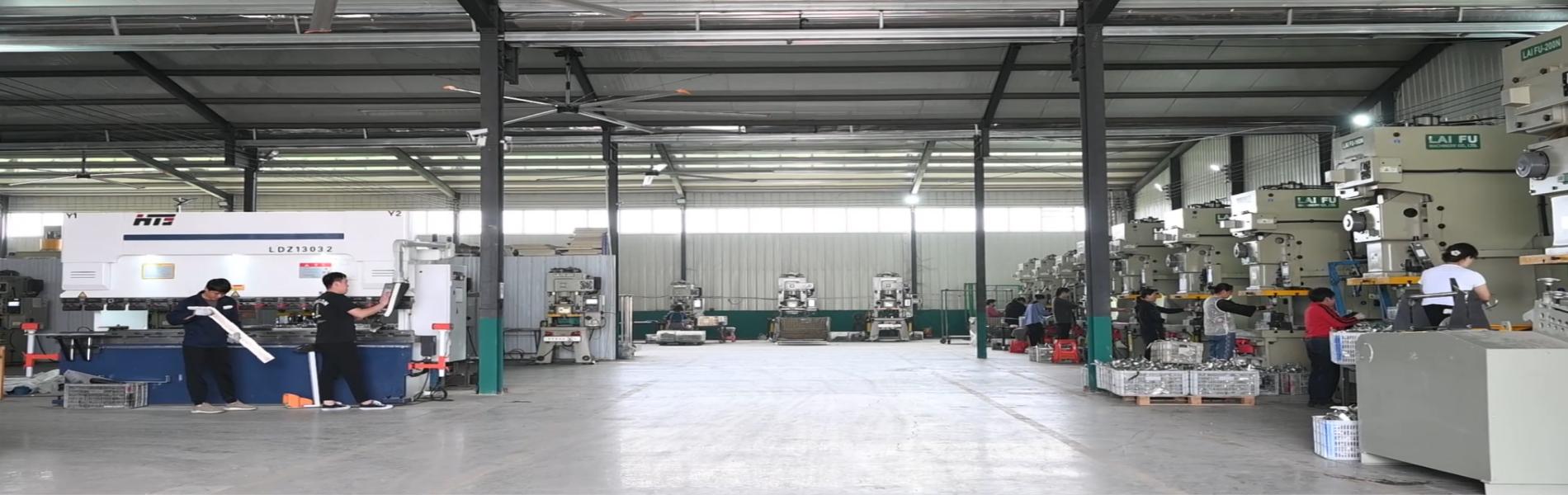
Manufacturing Capacity That Supports Long-Term Stability
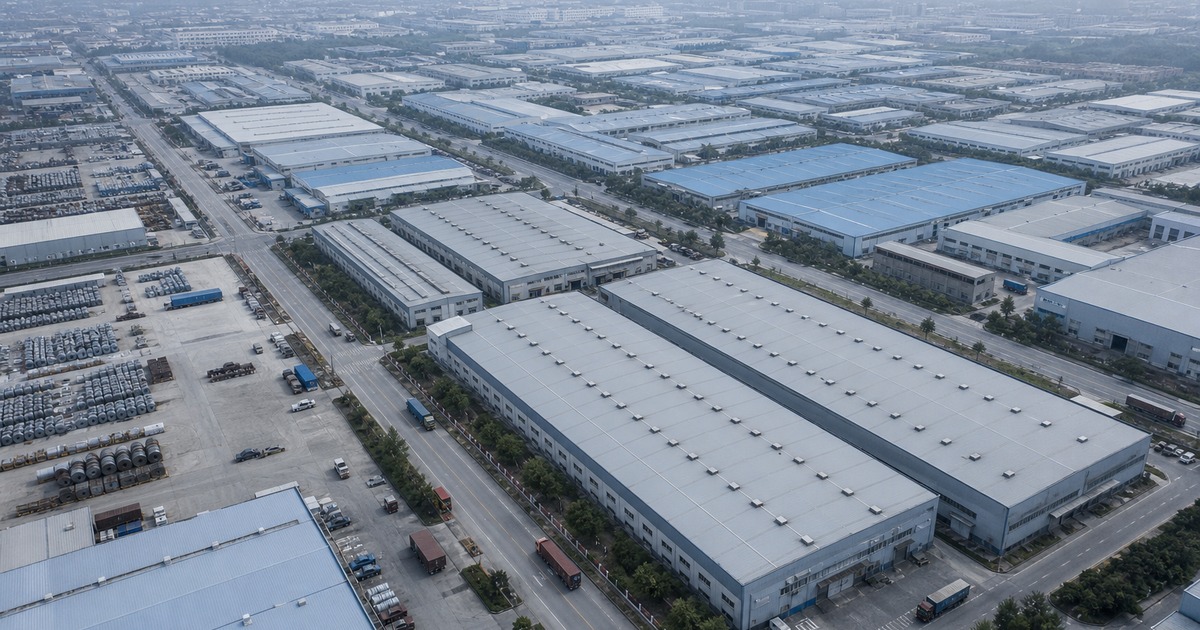
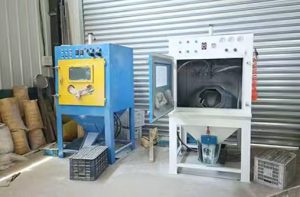
Our production system is based on a modern manufacturing space of approximately 9,000 square meters. It provides a stable, multi-process environment for stamping, cutting, bending, and post-processing. Each process operates under a unified rhythm, which helps avoid production fluctuations.
Standardized Quality Management
Obtaining ISO 9001:2015 certification has institutionalized engineering standards and inspection procedures. This ensures that each batch of metal parts is manufactured in accordance with unified standards.
Production Capability for Continuous Mass Production
It has a stable production capacity of 5,000 pieces per day, ensuring consistent quality output even under continuous mass production conditions.
Experience Across Diverse Metal Parts Applications
Based on our production experience serving over 100 countries, 3000 customers, and 70,000 types of metal parts worldwide, we have verified the stability of this manufacturing system across complex structures across multiple industries.
👉 These conditions collectively point to a core result: Sheet Metal Fabrication can achieve stable, predictable, and replicable continuous output in long-term mass production.
The Core Value of Sheet Metal Fabrication
For OEMs and industrial customers, what is truly important is not “whether it can be manufactured”, but:
Predictable production scheduling • Lower long-term manufacturing costs
Reliable Mass Production delivery
Therefore, the essence of Sheet Metal Fabrication is not processing capabilities, but rather the ability to deliver consistently and the ability to manufacture.
Start Your Sheet Metal Fabrication Project
✅ Cost down 15%–30% · On-time delivery · DFM optimization
📩 tylor@xinjiuxinji.com — Reply in 3 working hours with free design optimization.
Contact us today for a free feasibility review & quote.
Metal Fabrication Lead Time: How Stamping Improves Delivery Stability