ISO 9001 Certified Sheet Metal Manufacturer: What It Means and How to Verify It
ISO 9001 is the most common filter on a supplier shortlist — and the most misunderstood. An ISO 9001 certified sheet metal fabrication manufacturer has a certified quality system, not a certificate that guarantees every part. This guide explains what the certification actually covers, why it matters to your orders, and how to verify that the certificate is real and the system is actually running.
ISO 9001 Certification for Sheet Metal Fabrication: What It Actually Covers
A System Certificate, Not a Product Certificate
ISO 9001:2015 certifies a manufacturer’s quality management system, not one specific part. The certification audit examines whether the company has established and operates a quality management system that meets the standard’s requirements — including process control, documented information, responsibility assignment, risk management, internal audits, and continuous improvement. This does not mean every part is defect-free. It means that when a problem occurs, the company has defined processes to identify it, record it, analyze the cause, and take corrective action. For a buyer, that distinction decides what the certificate is actually worth.
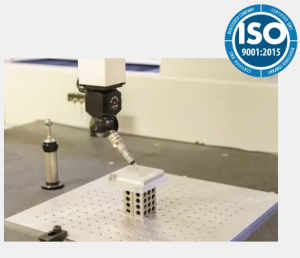 What the Quality System Covers
A working system covers the whole order lifecycle:
- Incoming material verification against the specified grade and thickness
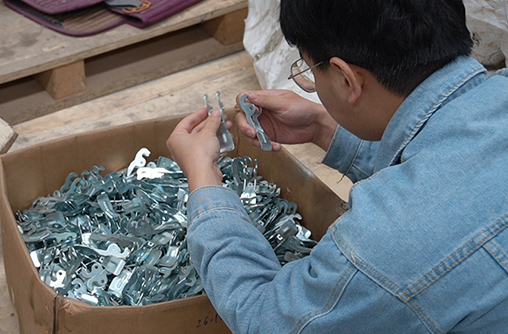
- Process control: first-article inspection, in-process checks, and setup validation
- Final inspection per product requirements and the inspection plan, with release and shipping records retained
- Calibration of measuring equipment (calipers, gauges, CMM)
- Non-conformance handling and corrective actions
- Traceability: batch records linking material, operations, and inspection results
Why Buyers Should Care: How Certification Affects Your Order
Traceability Matters When Problems Happen
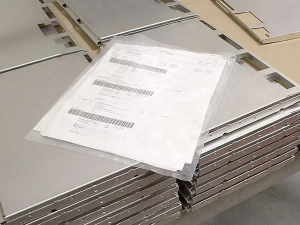 Every supplier occasionally produces a bad part — what matters with an ISO 9001 certified sheet metal fabrication manufacturer is what happens next. A certified system records material batches, process parameters, and inspection results so a field failure can be traced back to its source—and the root cause addressed, not just the symptom. Without records, “investigate” is a polite word for guesswork.
Closed-Loop Problem Handling
An effectively operating quality management system includes identifying and controlling nonconforming output, and — when needed — analyzing causes, taking corrective action, and evaluating the effectiveness of those actions. In practice, this means the supplier can explain what went wrong, what they did about it, and how they reduce the risk of recurrence. A supplier who can provide records and closed-loop evidence is easier to evaluate than one who promises “no problems” but cannot describe their control process.
How to Verify an ISO 9001 Certified Sheet Metal Fabrication Manufacturer
Three Checks on the Certificate
- Verify the certificate holder name and certificate number: confirm that the legal entity on the certificate matches the manufacturer you are working with — not just a brand name or an affiliated company
- Check the issuing body: accredited certification bodies are themselves audited
- Check validity and scope: confirm the certification is still current, and review whether the scope relates to the manufacturer’s actual activities. The scope does not always list every process, so when your project involves stamping, welding, CNC machining, or other special processes, ask how the quality system covers them
The On-Site Evidence Checklist
A certificate photo proves little; run this checklist instead:
| Check | Red flag | Green light |
|---|---|---|
| Drawing / DFM | No engineering feedback before quoting | DFM review with written output |
| First article | No first-article inspection report | First-article inspection report shared |
| Records | Quality records not available on request | Batch records and inspection reports on request |
| Calibration | Measurement equipment status cannot be confirmed | Measuring equipment calibrated and labeled |
| NCR | No documented non-conformance history | NCRs with corrective actions on record |
| Scope | Certificate scope unrelated to your parts | Scope covers your processes and materials |
Quality System in Practice
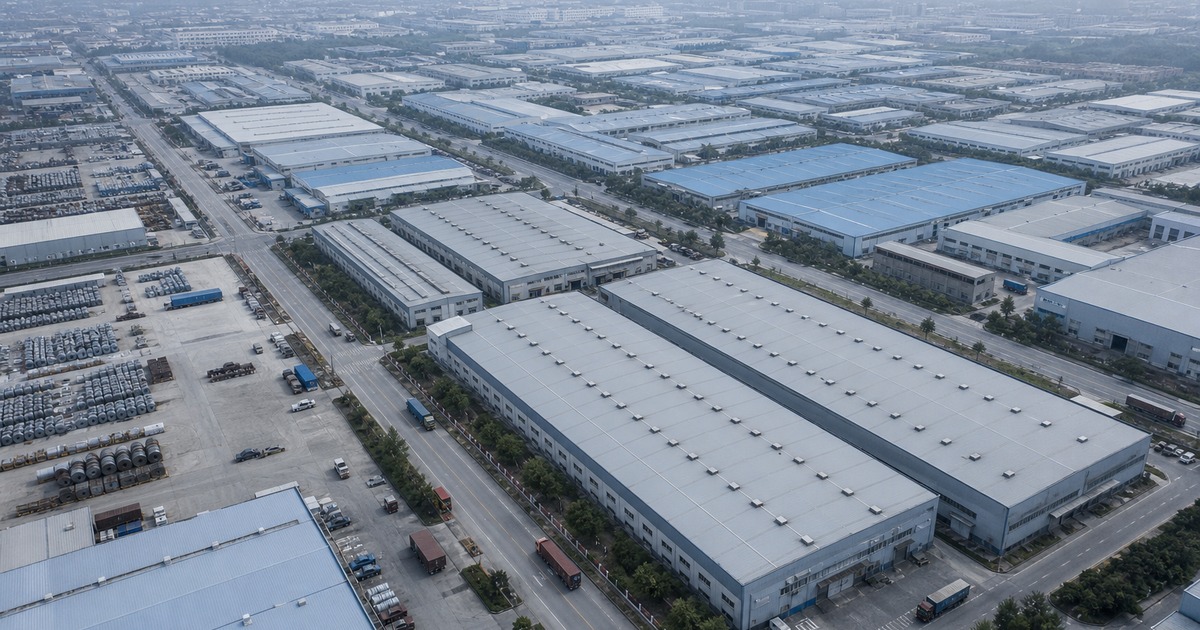
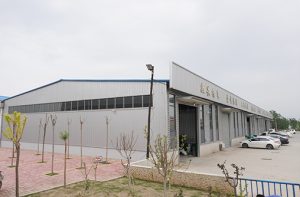
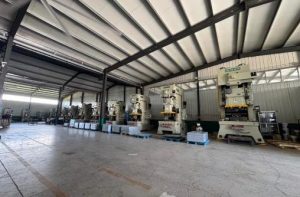
At our 9,000 m² plant in Nanpi, Hebei, the quality management system isn’t a binder on a shelf—it is how orders run.
Starting from drawing and DFM review, projects move through first-article confirmation, process control, and final inspection according to process requirements. We manage quality records by project and inspection requirements to support traceability and continuous improvement.
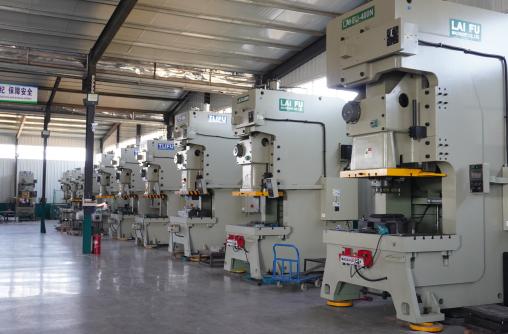
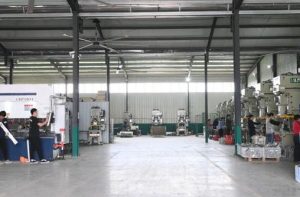
We have been manufacturing metal parts since 1999, and our production system currently operates under ISO 9001:2015. Laser cutting, stamping, bending, welding, and CNC machining are coordinated within one manufacturing system, backed by 19 engineers and 38 presses from 80 to 400 tons.
Send your drawing to tylor@xinjiuxinji.com for a free cost and manufacturability review — our engineering team responds within 3 working hours with process feedback and a quote tailored to your project.
We Don’t Just Have ISO 9001 Certified:2015 — We Run It
Free DFM review · FAI reports · Batch traceability · 3h response
📩 tylor@xinjiuxinji.com — Engineering response within 3 working hours, itemized quote
FAQ
Metal Stamping Services: What a Good Engineering Review Should Include