How Dimensional Inspection Ensures Part Accuracy in Production
In modern metal processing and OEM manufacturing, dimensional inspection is a core quality-control step for ensuring part accuracy and assembly consistency. For high-precision sheet metal parts, laser-cut parts, and complex welding structures, relying solely on the accuracy of the processing equipment is not sufficient. A systematic dimensional inspection system must be implemented to ensure the stability and consistency of each part during mass production.
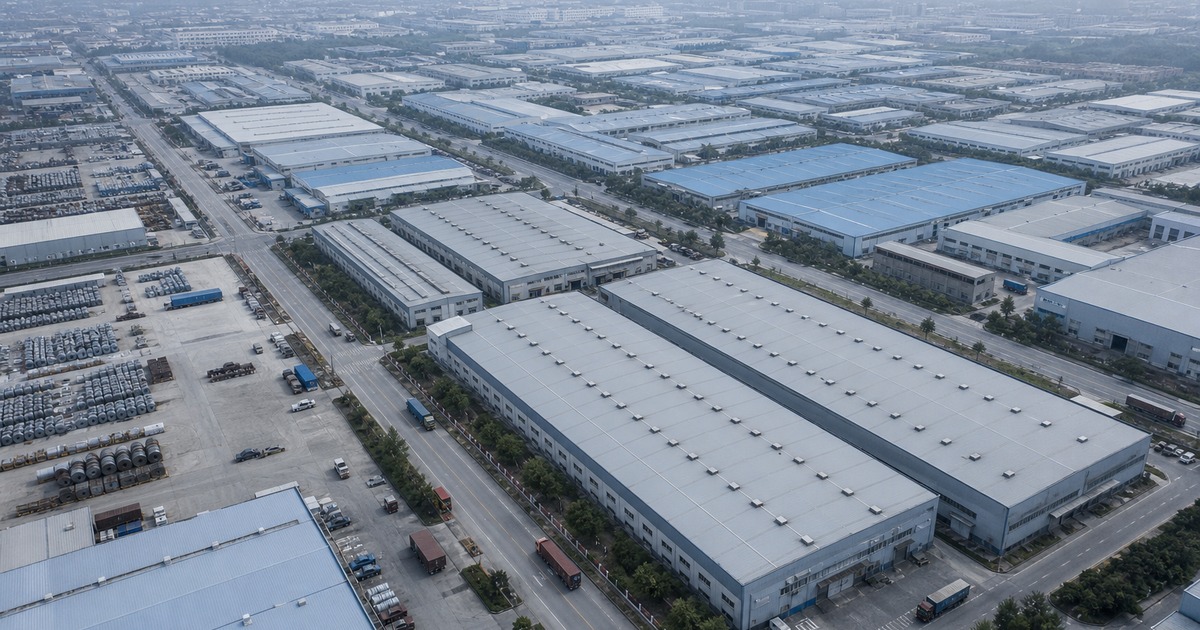
As a manufacturing enterprise with a 9,000-square-meter modern metal processing plant, we have come to realize through our long-term OEM projects that dimensional accuracy is not a single-point detection issue but a systematic engineering process spanning design, processing, measurement, and engineering analysis.
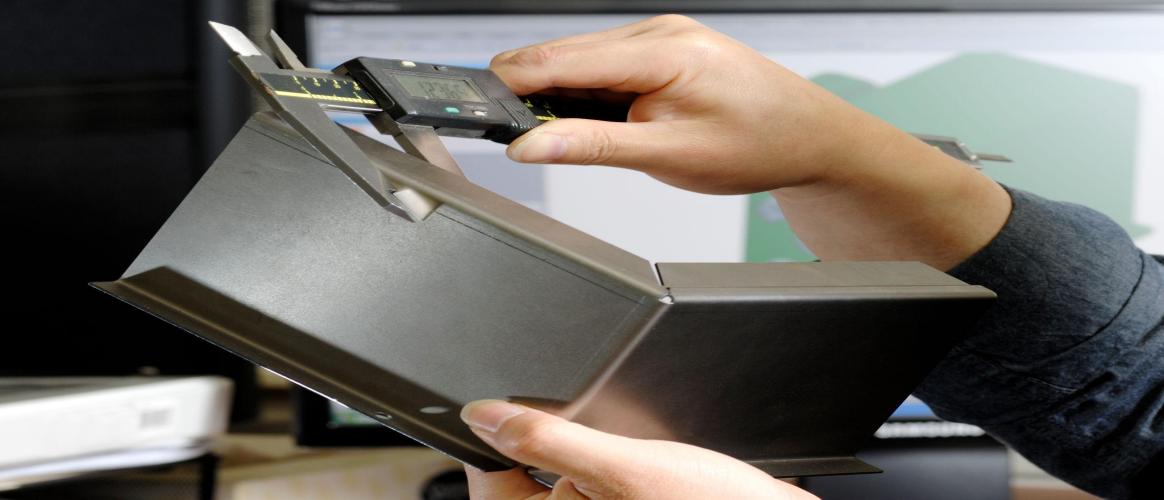
Why Dimensional Accuracy Fails in Mass Production
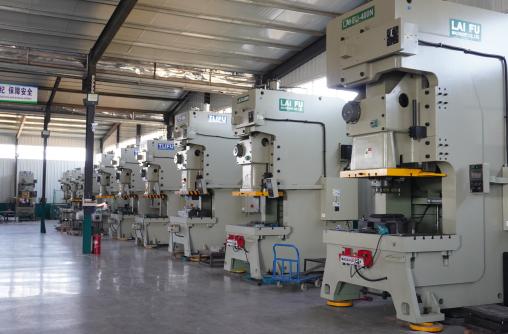
| In a real production environment, even if the processing equipment (6KW laser cutting equipment, 80-400 ton stamping machine, pipe bending machine) has high precision, the following problems will still occur:
• There is a slight dimensional drift between batches. |
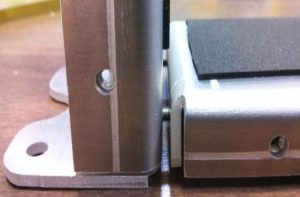 |
The common feature of these problems is that 👉 a single part appears to be qualified, but the system assembly fails.
Based on our 70,000+ types of experience manufacturing metal parts, more than 70% of the assembly problems are not “processing errors”, but “accumulation of size deviations that were not systematically identified”.
It enables the early detection of systematic error trends during the production process.
Dimensional Inspection System in a Manufacturing Factory
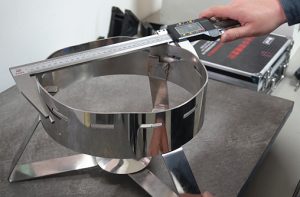
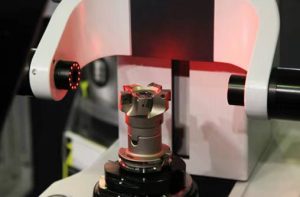
In our 9,000㎡ metal processing factory, size inspection is not a single process but rather a multi-level engineering control system, which includes the following equipment and methods:
✔ High-Precision Dimensional Inspection Equipment
For the analysis of complex geometric dimensions, hole position accuracy, and GD&T tolerances
For high-precision measurement of planar parts and micro features
For the analysis of surface quality and consistency of processing texture
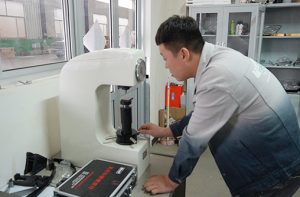
For material heat treatment and batch consistency verification
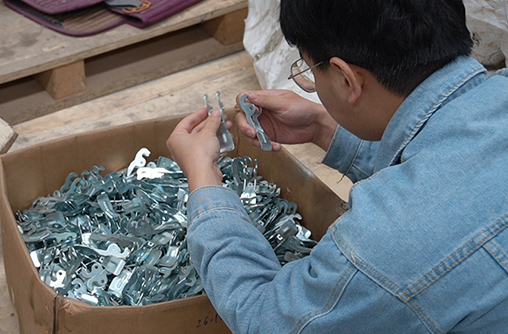
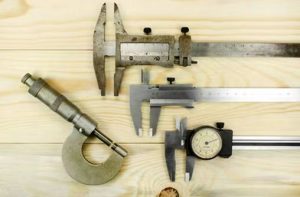
Including basic detection tools such as calipers, micrometers, height gauges, and angle gauges.
Used to verify material strength, ductility, and batch stability
✔ EEngineering Expertise in Dimensional Control
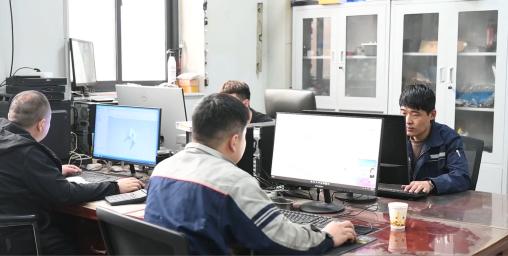 |
We have a team of 19 engineers with over 10 years of experience, who are responsible for:
• DFM manufacturability analysis |
The results of the size inspection will not be treated in isolation; instead, they will be fed directly back into the engineering optimization process.
How Dimensional Inspection Is Applied Throughout Production
In a mature OEM manufacturing system, dimensional inspection does not merely occur during the final inspection stage. Still, it is carried out throughout the entire production process:
Ensure that the dimensions, hardness, and mechanical properties of raw materials meet the requirements
Verify whether the first article processing complies with the engineering drawings and assembly requirements
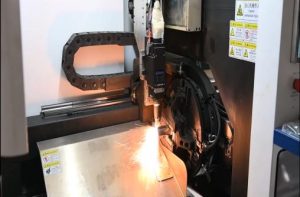
Real-time monitoring of dimensional changes during laser cutting, stamping, and bending processes
Analyze the trend of structural deformation and offset amounts
Use a coordinate measuring machine to confirm the final dimensions.
To proactively control the accumulation path of errors.
Why Parts Fail Assembly Even After Passing Inspection
This is one of the most common problems that OEM customers encounter:
• ✔ All size measurements were found to be correct.
• ❌ However, the final assembly still failed.
The usual cause is not an error in the measurement, but rather that systematic manufacturing deviations were not adequately identified:
• Welding thermal deformation has not been fully released
• Cumulative effect of multiple part tolerances
• Micro-deformation caused by material batch differences
• Accumulation of positioning errors of tooling
• Insufficient rigidity of long structures
Therefore, throughout the project execution, we have always adhered to a principle:
Dimensional inspection must serve the goal of “successful system assembly”, rather than merely ensuring that the drawings are correct.
Engineering Role in Dimensional Variation Control
In high-demand OEM projects, the value of size inspection is manifested at three levels:
1️⃣Quality Control Layer
Ensure that each piece meets the standards specified in the drawings.
2️⃣Process Control Layer
Monitor the stability changes during the production process.
3️⃣Engineering Optimization Layer
Reverse-engineer the design and manufacturing process (DFM).
Engineering-driven quality + Verification of stability through testing.
Why These Capabilities Determine Dimensional Inspection Reliability
In OEM metal fabrication, dimensional inspection can identify variations, but it cannot eliminate the manufacturing factors that cause them. In many cases, the root causes of assembly failures originate earlier in the manufacturing process—long before the inspection stage begins.
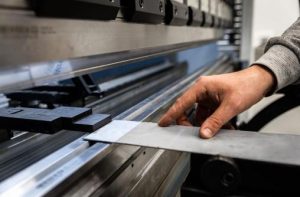
Establishes the initial geometric accuracy of the part
Determines angular accuracy and dimensional variation after forming
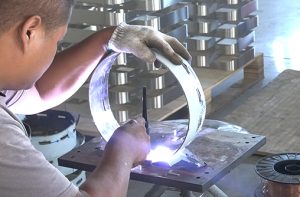
Influences thermal distortion and structural deformation
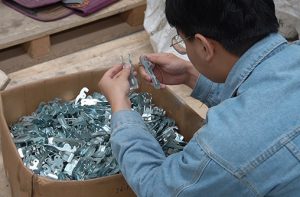
Verifies whether dimensional variations have been identified
Determines whether the root causes of dimensional variations are corrected
✔ Multi-level detection system (identifying different types of error sources)
✔ Experienced engineering team (conducting tolerance chain and deformation analysis)
✔ Full-process quality control (preventing errors from accumulating in batches)
✔ DFM pre-optimization (reducing error generation from the design source)
The combined effect of these capabilities lies in:
Moving the control of manufacturing process errors from the “final inspection stage” to the “design and entire manufacturing process stage”, thereby avoiding the concentrated exposure of problems during the assembly stage.
From Inspection-Based to Engineering-Driven Manufacturing
The true measure of a metal fabrication factory is not the completeness of its inspection system. It is the ability to predict and control dimensional variation before it affects assembly performance and production stability.
Experiencing Assembly Problems Despite Passing Inspection?
✅ Tolerance analysis · System-level error control · Production stability
📩 tylor@xinjiuxinji.com — Reply in 3 working hours with free design optimization.
Many assembly failures happen not because parts are out of spec, but because tolerance accumulation is not controlled. Upload your drawings for a system-level error analysis.
Custom Metal Parts Cost: What Determines Manufacturing Costs in 2026