How Metal Fabrication Shapes Modern Industrial Manufacturing
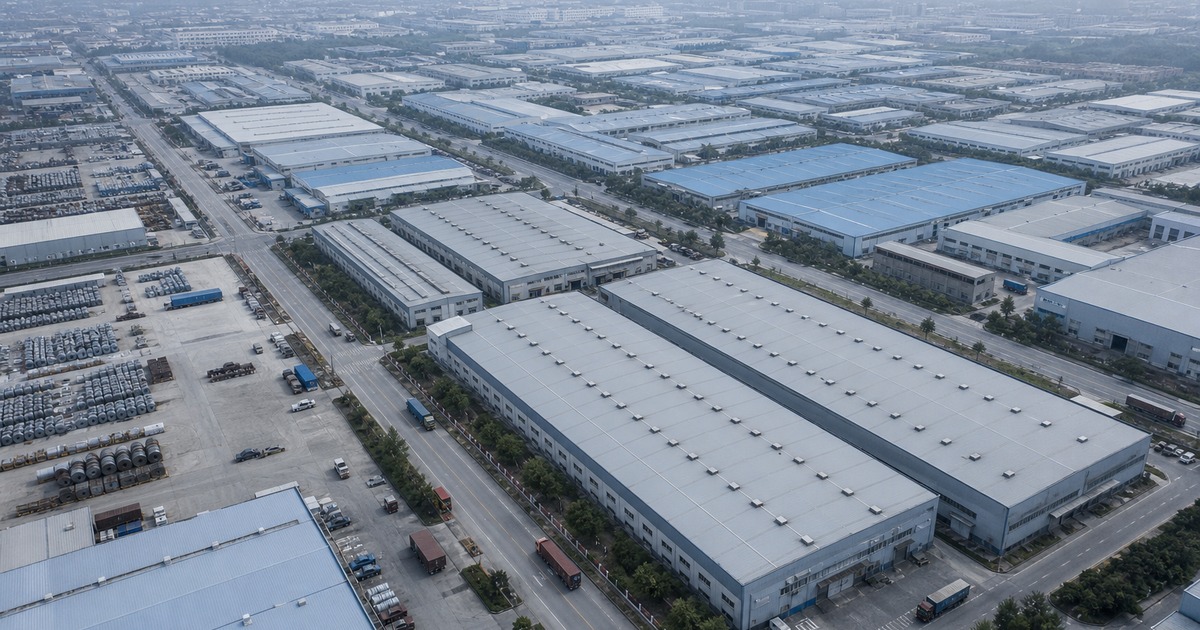
Metal fabrication is reshaping modern industrial manufacturing. As product structures become more complex, manufacturers face higher requirements for dimensional consistency and production stability.
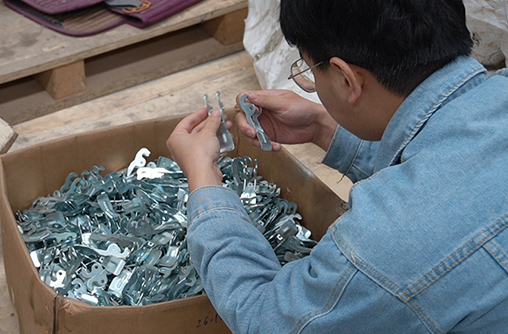
Modern metal fabrication is no longer limited to basic metal processing. It has evolved into a complete manufacturing system that integrates multiple production processes.
Why Is Metal Fabrication No Longer Simple Metal Processing?
Modern metal fabrication manufacturing is not merely a simple metal processing; it is a complete manufacturing system.
It usually involves:
• Laser Cutting
• Stamping
• Bending
• CNC Machining
• Welding
• Surface Treatment and Assembly
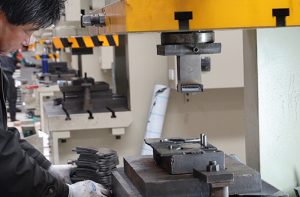
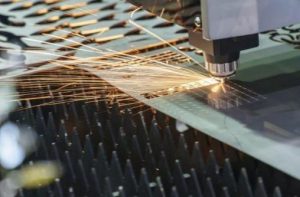
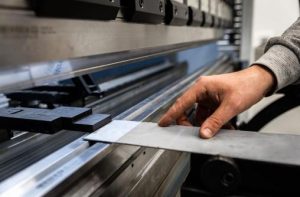
These processes are not independent of each other.
In actual industrial projects, the efficiency of connections between processes directly affects product accuracy, assembly quality, and the stability of subsequent mass production.
As product structures become more complex, the interdependence between processes increases, revealing systematic problems in traditional, decentralized processing models.
• Tolerance Accumulation
• Process Connection Errors
• Batch Consistency Decrease
• Delivery Instability
Therefore, more and more industrial projects are increasingly favoring the unified management of production by factories with complete manufacturing processes to improve overall manufacturing stability.
Why Modern Industry Relies on Integrated Manufacturing
|
As industrial products continue to be upgraded, manufacturing requirements are also increasing. For example:
These products are not only structurally complex, but also need to meet the following requirements:
In such circumstances, a single processing method has become difficult to meet the demands of modern industrial manufacturing. The value of metal fabrication manufacturing has gradually shifted from “processing execution” in the past to overall manufacturing collaboration and production integration. |
|
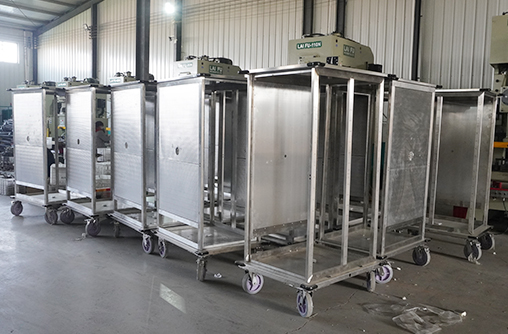
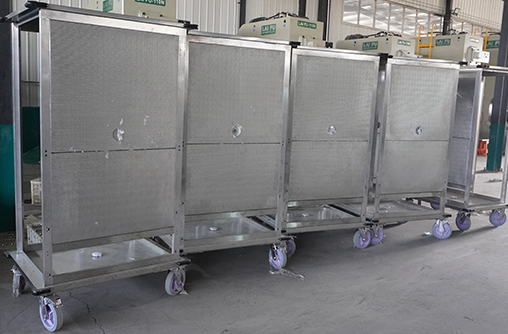
What Problems Are Caused by Decentralized Production?
In the past, many industrial projects would have had different processes carried out by different suppliers. For example:
• A single factory performs laser cutting.
• Another supplier handles bending.
• A third party completes welding and assembly.
Although this model can complete basic production, as the complexity of the products increases, it gradually exposes systematic problems, such as:
• Cumulative tolerance amplification
• Increased process connection errors
• Difficulty in controlling production cycles
• Increased communication costs
• Decreased batch consistency
Therefore, modern industrial manufacturing is increasingly inclined toward integrated metal fabrication.
By uniformly managing the cutting, stamping, bending, welding, and subsequent assembly processes, production efficiency and product stability can be improved more effectively.
How Does Manufacturing Impact Product Development?
In modern industrial projects, whether a product can smoothly enter the mass production stage often depends not only on the design itself.
Material properties, structural forms, and processing methods all have a direct impact on the final production outcome. For example:
• Inappropriate bending structures affect mass production.
• Complex welding schemes reduce assembly efficiency.
• Excessive tolerance requirements increase manufacturing costs.
• Structures that are not suitable for processing affect the stability of mass production.
Therefore, in actual production processes, manufacturing factories often need to combine specific process conditions to optimize drawings and production plans, thereby improving overall manufacturing feasibility.
Based on long-term experience in metal fabrication manufacturing, we will also combine materials, structures, and processing techniques in actual projects to provide manufacturing optimization suggestions for some products, helping customers reduce production risks and improve production efficiency.
How Does Automation Affect Metal Fabrication?
Modern metal fabrication no longer relies on traditional manual manufacturing.
With the development of automated equipment and digital management systems, manufacturing capabilities have gradually become the key factor in determining project stability.
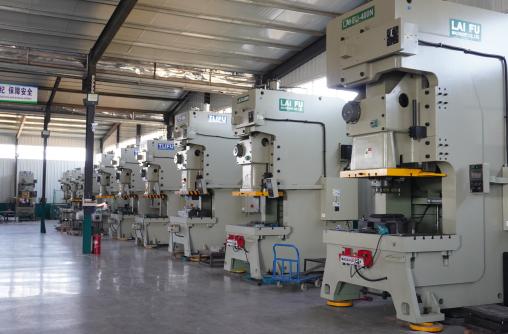
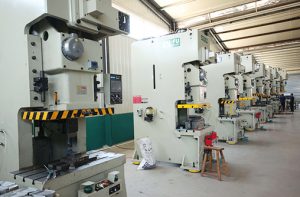
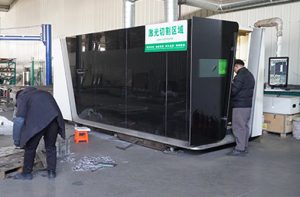
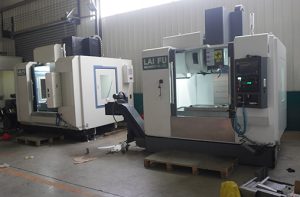
To support the manufacturing needs of complex industrial projects, we have established a production system covering multiple processes, including:
- Stamping forming capability
- Laser cutting capability
- CNC precision processing capability (including five-axis and vertical machining centers)
- Welding and assembly capability
- Surface treatment capability
- Precision inspection capability (CMM coordinate measuring machine)
Through multi-process collaboration, we can support one-stop manufacturing from structural component processing to the production of complex metal parts.
At the same time, based on long-term project accumulation, we have participated in 7,000+ metal part processing projects, covering industrial equipment, structural components, brackets, and various customized industrial products.
These experiences have further enhanced the ability to maintain stable control of complex projects in mass production.
How Do You Move from Prototype to Stable Mass Production?
|
|
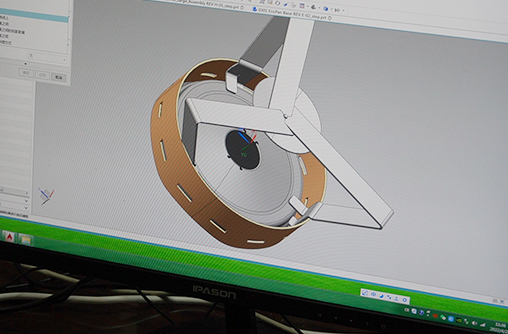
In complex industrial manufacturing projects, any process deviation may affect the stability and consistency of the final batch production. Based on comprehensive metal fabrication capabilities, we can identify potential process risks during the design stage and achieve multi-process collaborative control during production, thereby ensuring the product maintains stable quality during batch production. We have one-stop manufacturing capabilities, from structural analysis and process optimization to batch production, effectively reducing development risks and improving overall production efficiency. |
Frequently Asked Questions
Why Is Metal Fabrication No Longer Simple Metal Processing?
Modern metal fabrication manufacturing is not merely a simple metal processing; it is a complete manufacturing system. It usually involves: • Laser Cutting • Stamping • Bending • CNC Machining • Welding • Surface Treatment and Assembly These processes are not independent of each other. In actual industrial projects, the efficiency of connections between processes directly affects product accuracy, assembly quality, and the stability of subsequent mass production. As product structures become more complex, the interdependence between processes increases, revealing systematic problems in traditional, decentralized processing models. • Tolerance Accumulation • Process Connection Errors • Batch Consistency Decrease • Delivery Instability
What Problems Are Caused by Decentralized Production?
In the past, many industrial projects would have had different processes carried out by different suppliers. For example: • A single factory performs laser cutting. • Another supplier handles bending. • A third party completes welding and assembly. Although this model can complete basic production, as the complexity of the products increases, it gradually exposes systematic problems, such as: • Cumulative tolerance amplification • Increased process connection errors • Difficulty in controlling production cycles • Increased communication costs • Decreased batch consistency Therefore, modern industrial manufacturing is increasingly inclined toward integrated metal fabrication. By uniformly managing the cutting, stamping, bending, welding, and subsequent assembly processes, production efficiency and product stability can be improved more effectively.
How Does Manufacturing Impact Product Development?
In modern industrial projects, whether a product can smoothly enter the mass production stage often depends not only on the design itself. Material properties, structural forms, and processing methods all have a direct impact on the final production outcome. For example: • Inappropriate bending structures affect mass production. • Complex welding schemes reduce assembly efficiency. • Excessive tolerance requirements increase manufacturing costs. • Structures that are not suitable for processing affect the stability of mass production. Therefore, in actual production processes, manufacturing factories often need to combine specific process conditions to optimize drawings and production plans, thereby improving overall manufacturing feasibility.
How Does Automation Affect Metal Fabrication?
Modern metal fabrication no longer relies on traditional manual manufacturing. With the development of automated equipment and digital management systems, manufacturing capabilities have gradually become the key factor in determining project stability. To support the manufacturing needs of complex industrial projects, we have established a production system covering multiple processes, including: Stamping forming capability Laser cutting capability CNC precision processing capability (including five-axis and vertical machining centers)
How Do You Move from Prototype to Stable Mass Production?
In complex industrial manufacturing projects, any process deviation may affect the stability and consistency of the final batch production. Based on comprehensive metal fabrication capabilities, we can identify potential process risks during the design stage and achieve multi-process collaborative control during production, thereby ensuring the product maintains stable quality during batch production. We have one-stop manufacturing capabilities, from structural analysis and process optimization to batch production, effectively reducing development risks and improving overall production efficiency.